The 'Rapes of Sussex'
Sussex is the only county in England historically divided into these unique sub-divisions called Rapes.
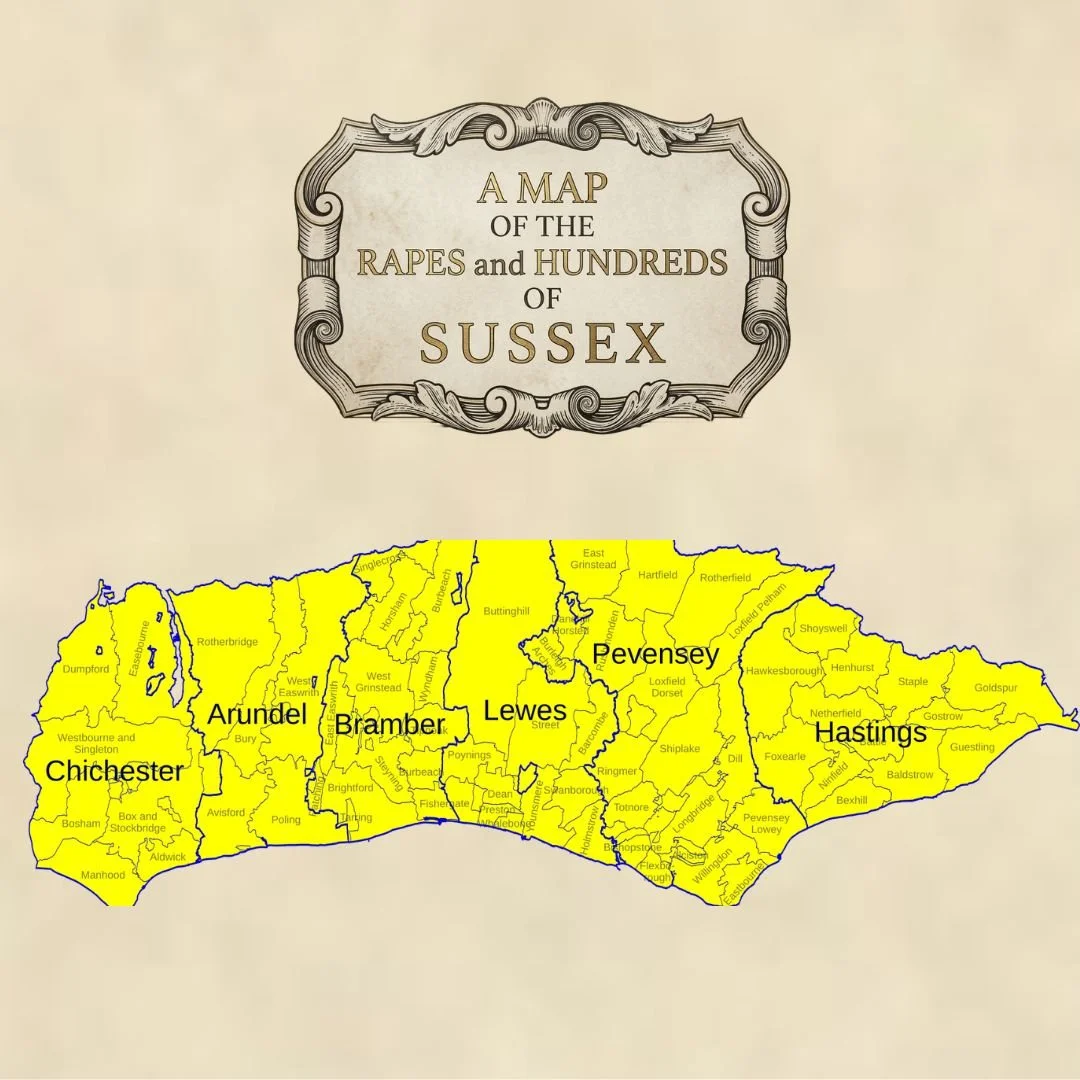
The English county of Sussex holds a unique position in the nation's historical geography due to an ancient system of land management found nowhere else in the country.
Long before modern local government borders smoothed over regional eccentricities, Sussex was divided into distinct territorial bands known as Rapes.
Originating as a series of long, vertical strips cutting straight through the landscape from the dense northern forests of the Weald down to the English Channel coast, these sub divisions carved the county into highly strategic zones.
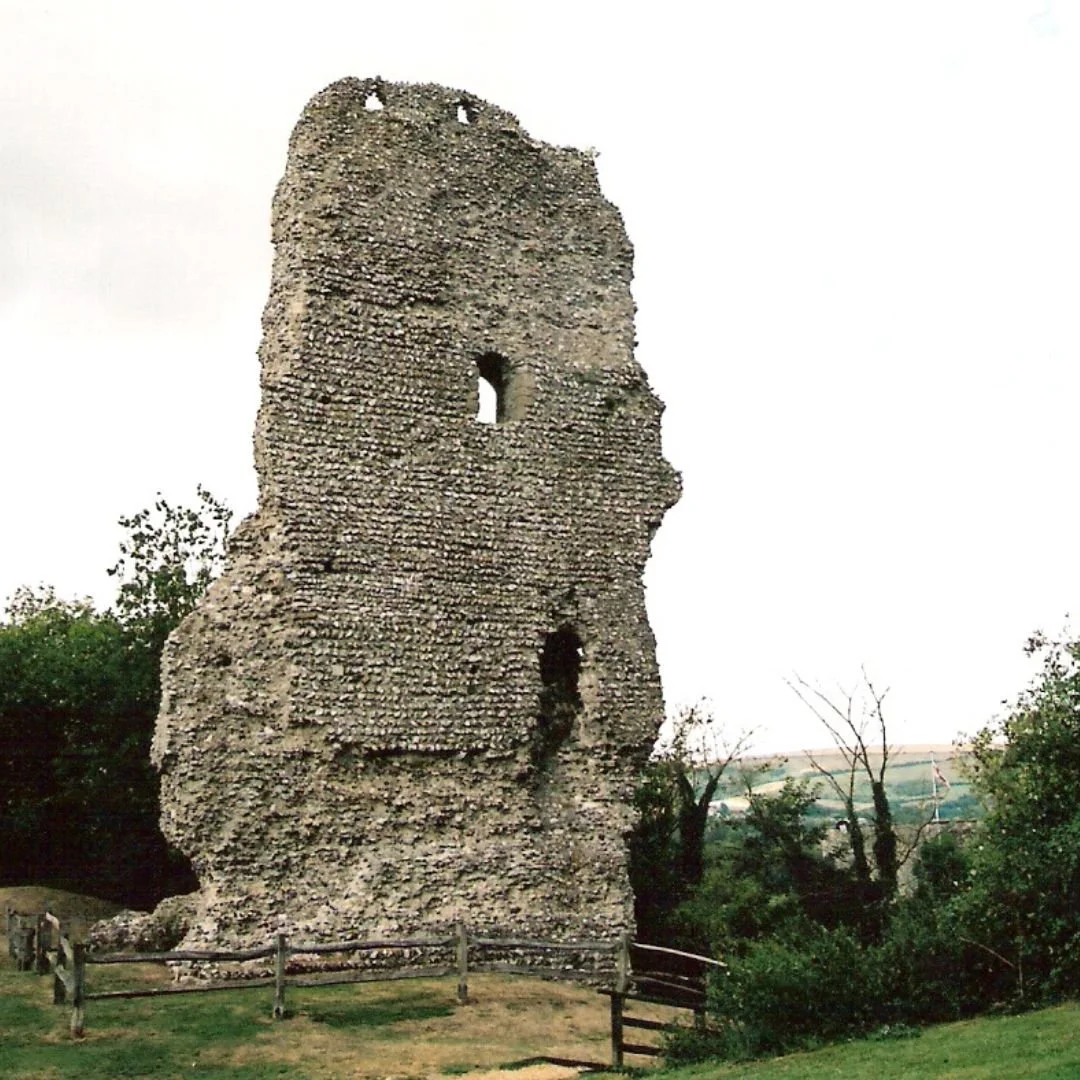
Each of these strips was intentionally anchored by a fortified castle and an adjacent river port, creating a highly organised layout designed for swift governance and robust defence.
While the administrative system reached its peak complexity under Norman rule following the fateful Battle ofHastings in 1066, historians still debate exactly when these boundaries were first drawn.
Some evidence suggests that the basic layout of the Rapes predates King William’s invasion, potentially tracing back to the older Kingdom of the South Saxons or the defensive fortifications established by Alfred the Great to fend off Viking incursions.
However, it was the Normans who truly formalised and militarised the system.
William the Conqueror distributed these vertical swathes of land to his most trusted barons, creating what were essentially heavily guarded corridors.
This layout ensured that each lord could quickly march troops from the northern border down to their coastal stronghold, keeping the vital shipping lanes and transit routes to Normandy open and secure.
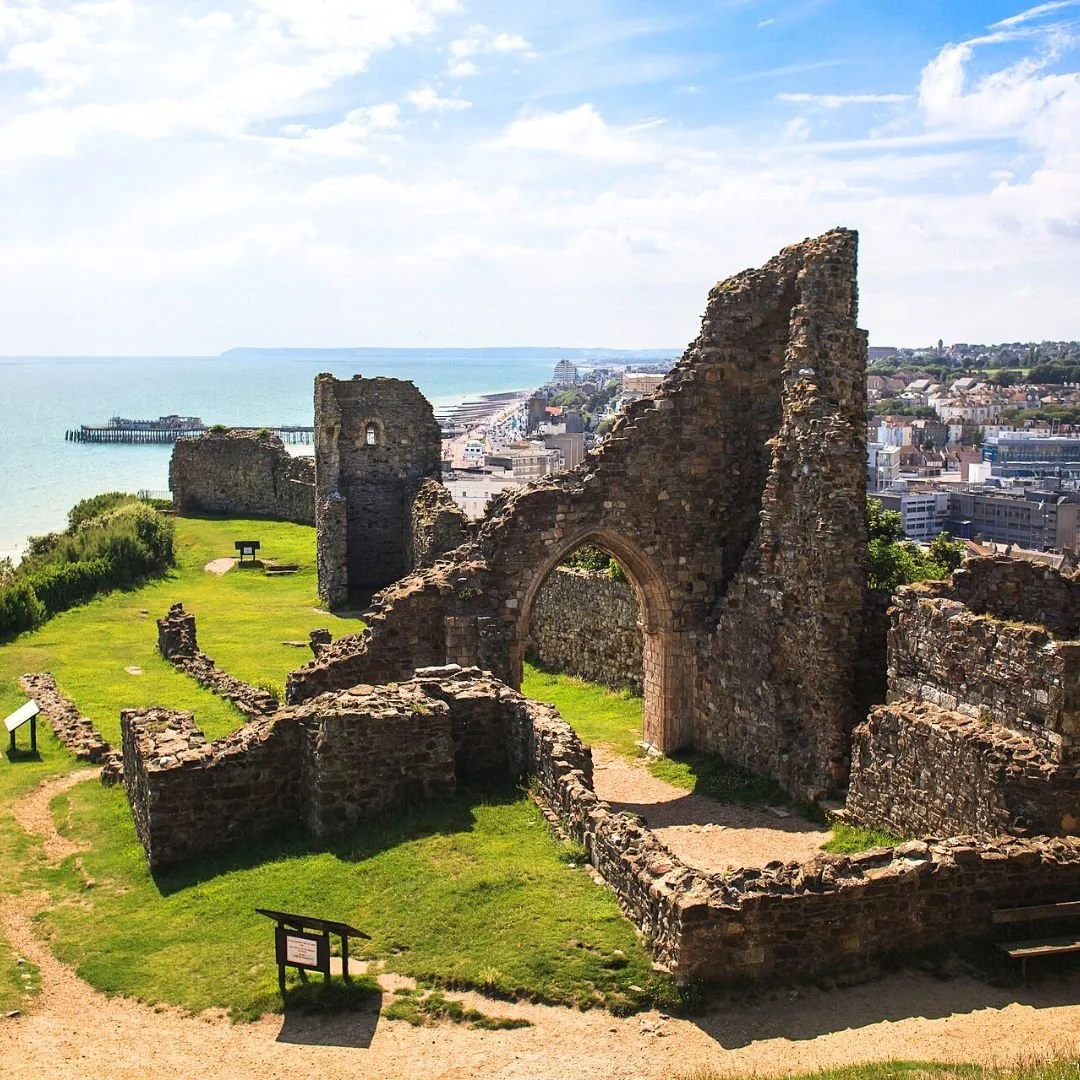
The six traditional Rapes (Chichester, Arundel, Bramber, Lewes, Pevensey, and Hastings) each took the name of the critical stronghold that governed it.
Moving from west to east, these territories operated almost as independent mini-kingdoms during the medieval era, each possessing its own high sheriff, regional courts, and distinct fiscal administration.
This structure was entirely exceptional for English counties at the time, as it prioritised immediate military readiness and coastal vigilance above standard agrarian organisation.
Even the terminology itself remains a point of fascination, as the word "Rape" in this context is completely unrelated to its modern definitions.
Linguists and historians generally agree that the name derives from the Old English word rāp, meaning "rope."
This points back to an ancient Germanic and Anglo-Saxon tradition of using thick, knotted cords to physically measure out legal land boundaries or mark off the open air jurisdictions of local courts.
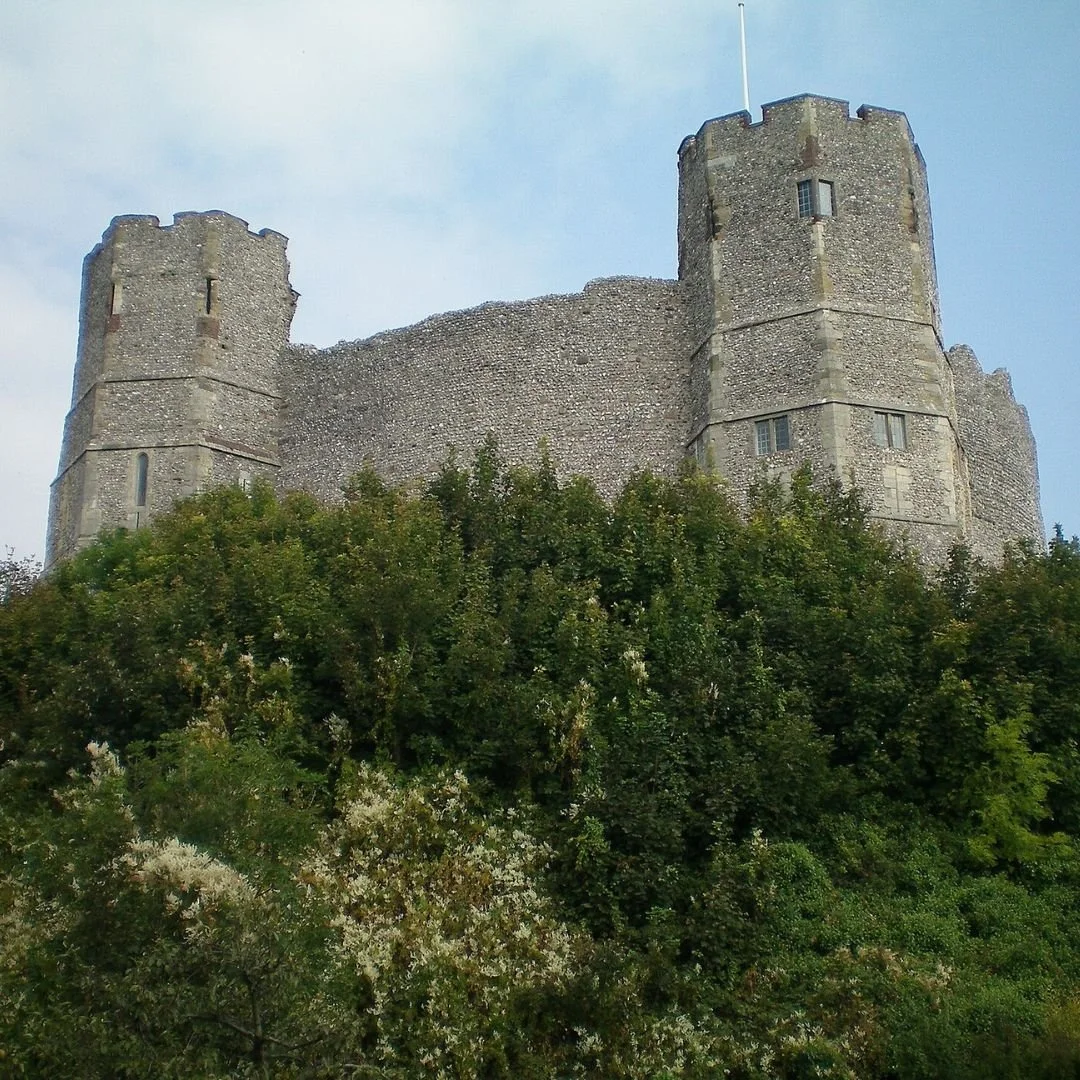
Although centuries of bureaucratic reform eventually stripped the Rapes of their official administrative power, they were never formally abolished.
They survive today as a fascinating cultural quirk of Sussex heritage, safely preserved in the names of local institutions, historical maps, and the distinct regional identity of the South Coast.
If you enjoyed this article, please follow Exploring GB on Facebook for more!
Thank you - and we hope to see you back soon :)