5,000 Year-Old Stonehenge Prototype Discovered
Archaeologists have uncovered a 5,000-year-old monument that appears to be the original blueprint for the solar alignments later perfected at Stonehenge.
The groundbreaking archaeological discovery was led by Phil Harding of Wessex Archaeology.
It’s been called a ‘once in a lifetime find.’
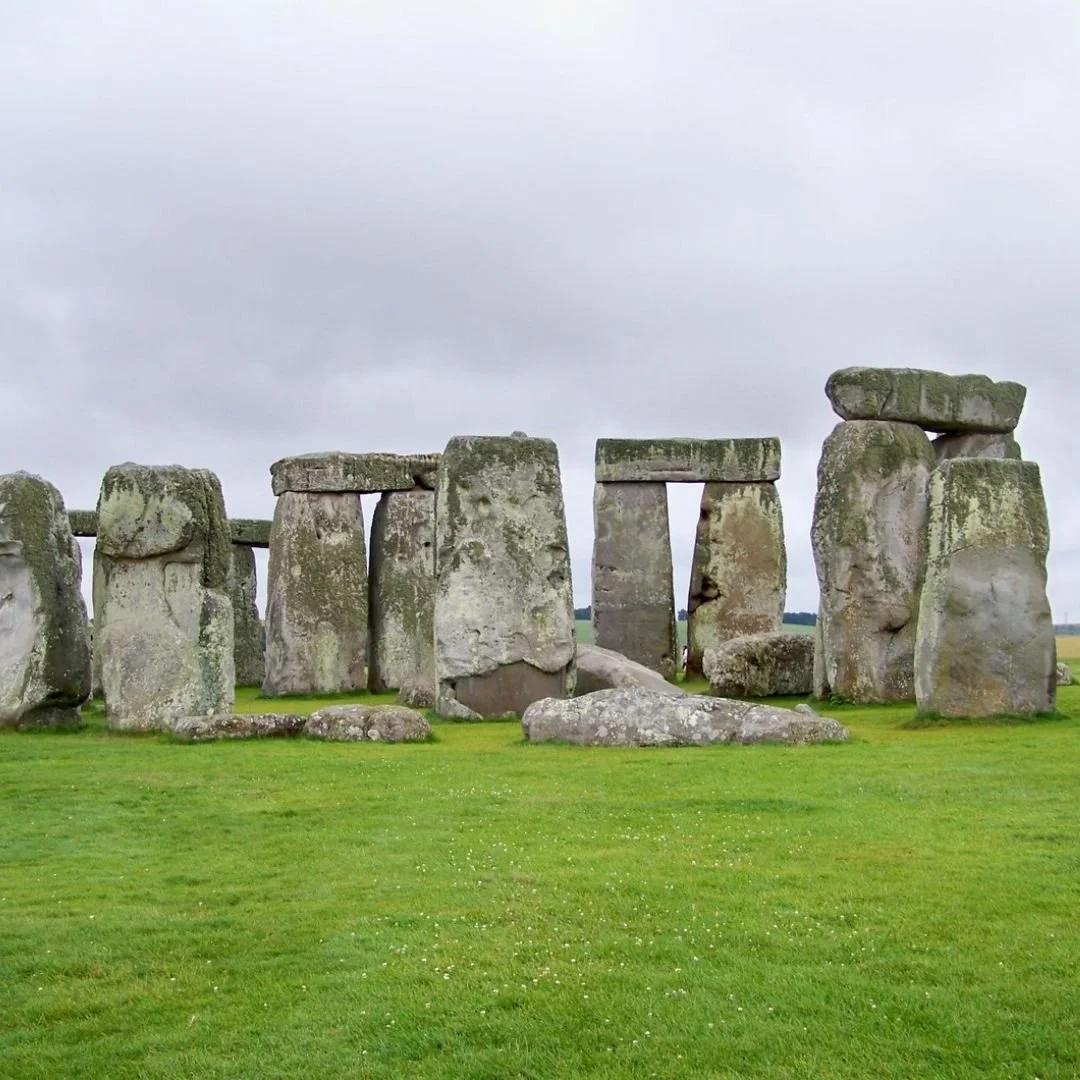
The site, which was excavated as part of a Ministry of Defence housing project, provides the earliest known evidence of solstice alignment within the Stonehenge landscape, predating the iconic stone circle by approximately 500 years.
The monument consisted of two massive wooden poles positioned 120 metres apart.
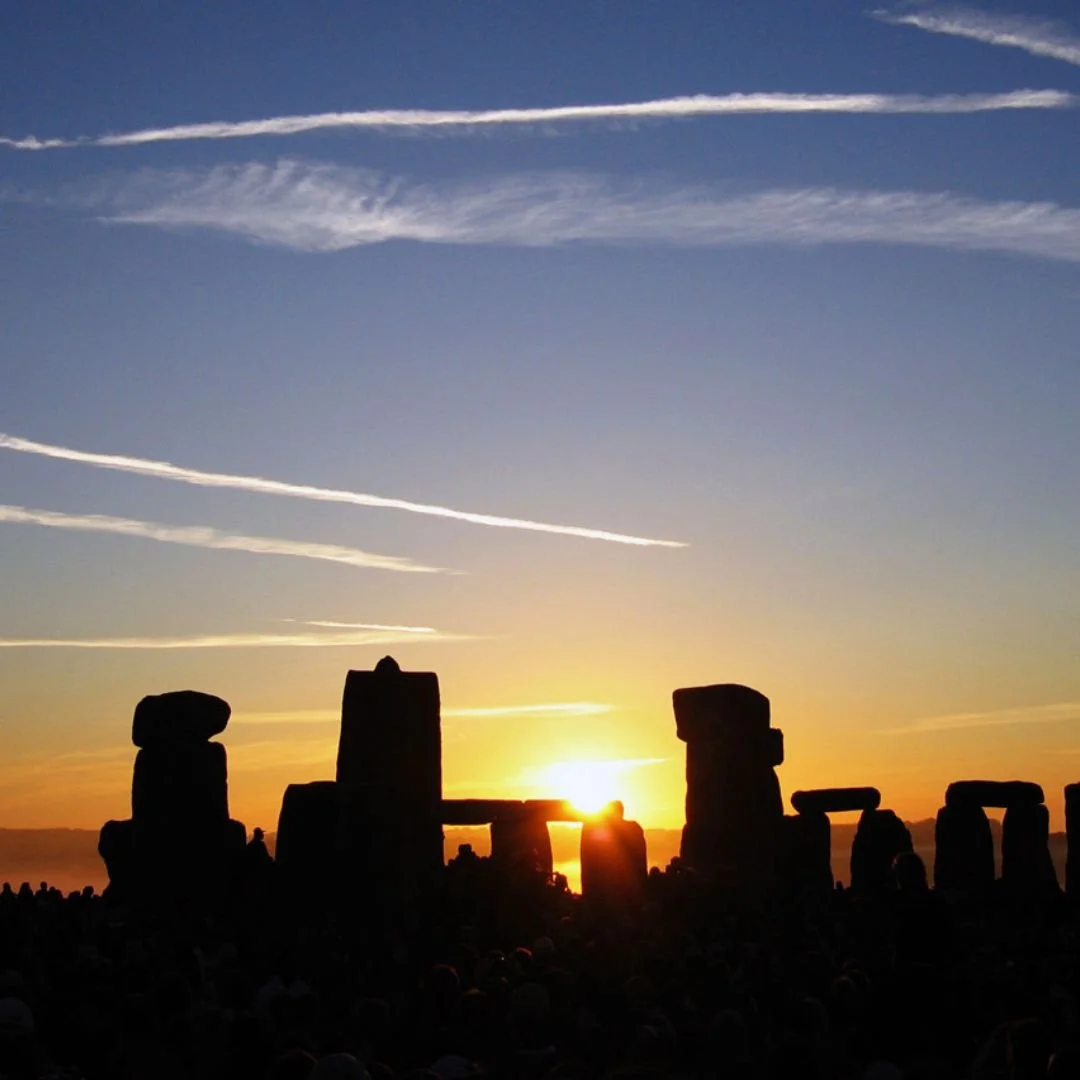
When analysed through modern landscape and skyscape reconstructions, it was discovered that these posts were precisely aligned to point toward the rising sun during the summer solstice and the setting sun during the winter solstice.
This "gunsight" alignment reveals that Neolithic communities were engaging in sophisticated astronomical observations and organised religious gatherings long before the massive sarsen stones were erected at the primary Stonehenge site.
While the timber posts have long since decayed, the discovery of their post pits, along with a wealth of associated artefacts, paints a vivid picture of the site's original purpose.
The excavation uncovered 48 pits containing pottery shards, animal bones, charcoal, and a rare disc-shaped flint knife, which experts believe may have been symbolically crafted to represent the sun.
These findings suggest that the area was not a permanent settlement, but rather a significant ceremonial hub where large numbers of people periodically gathered to feast and celebrate the solar cycle.
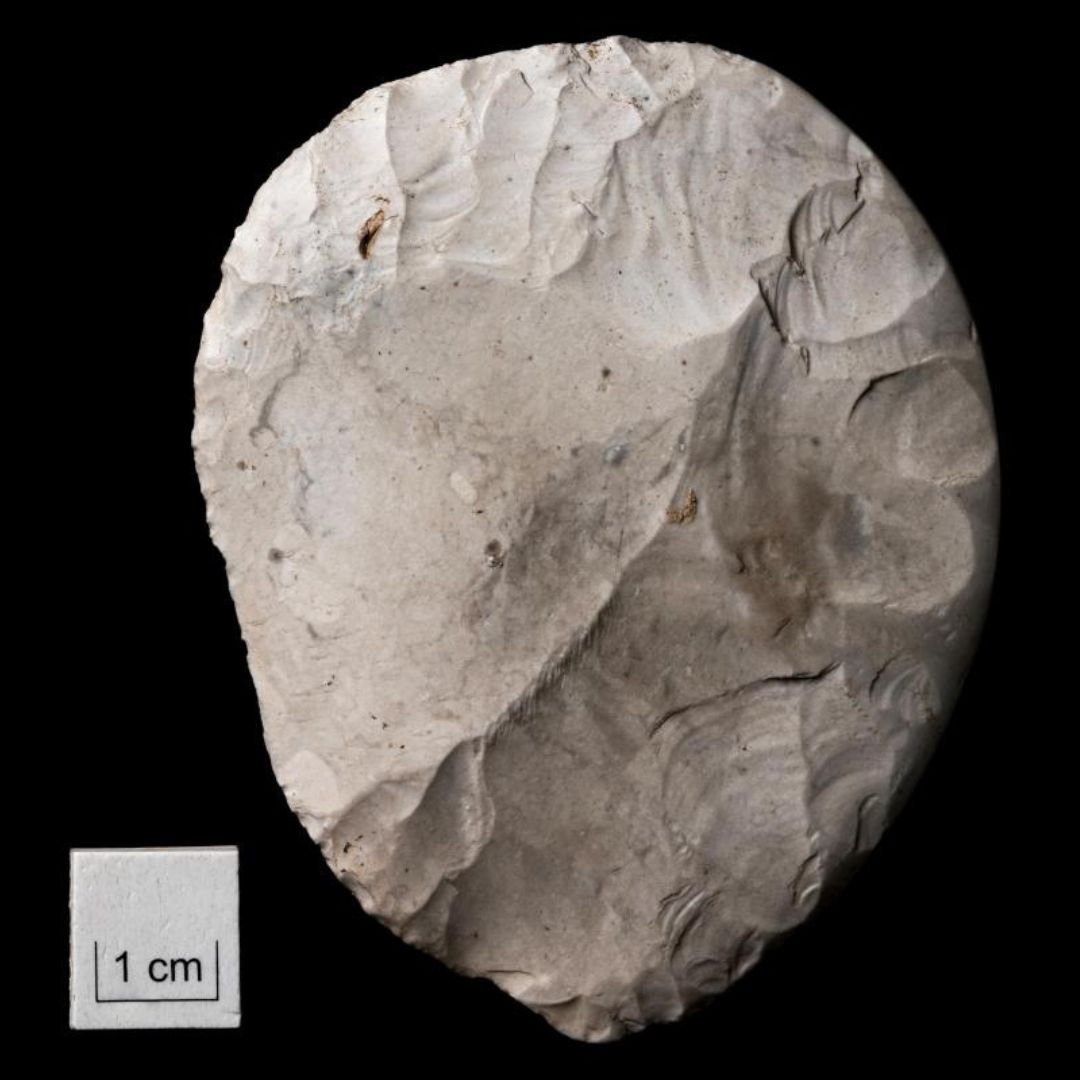
© Wessex Archaeology
The discovery is being hailed as a once-in-a-lifetime find, providing a new perspective on the history of the Salisbury Plain.
It indicates that Stonehenge was not an isolated, singular creation but rather the culmination of a much older, long-standing tradition of marking the passage of time and the movements of the cosmos.
Phil Harding and his team suggest that this Bulford site may have been used by the very people who later contributed to the early phases of Stonehenge construction, effectively serving as an ancestral link in the evolution of British prehistoric monument building.
The site is indeed significantly older than the iconic stone circle.
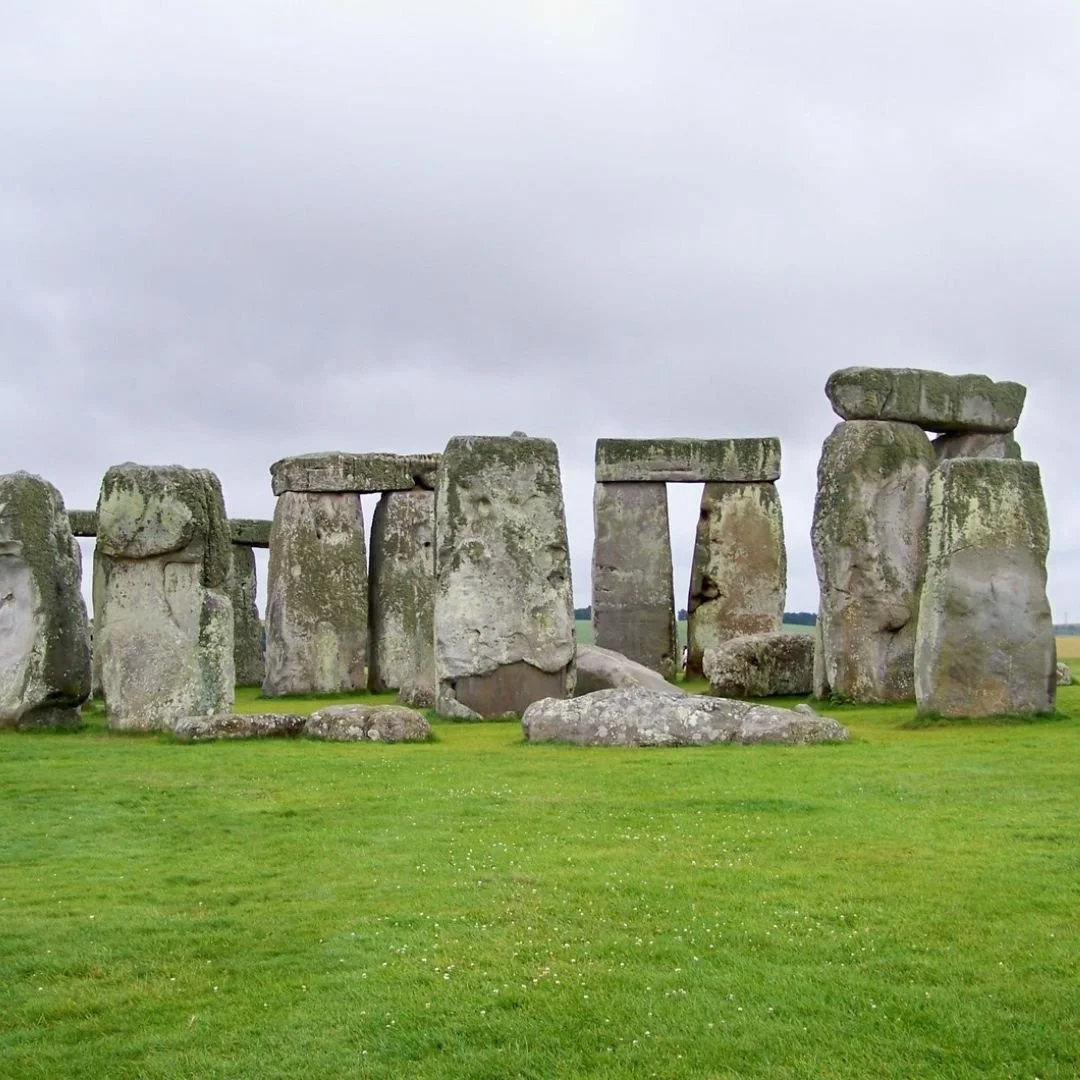
While Stonehenge evolved through several stages of construction beginning around 3000 BC, this newly identified Bulford monument dates to approximately 2950 BC, predating the primary solar-aligned stone structures by half a millennium.
Dr Phil Harding, Archaeologist at Wessex Archaeology, who led the executions, said: “In a few days’ time, Stonehenge will be filled with people celebrating midsummer solstice.
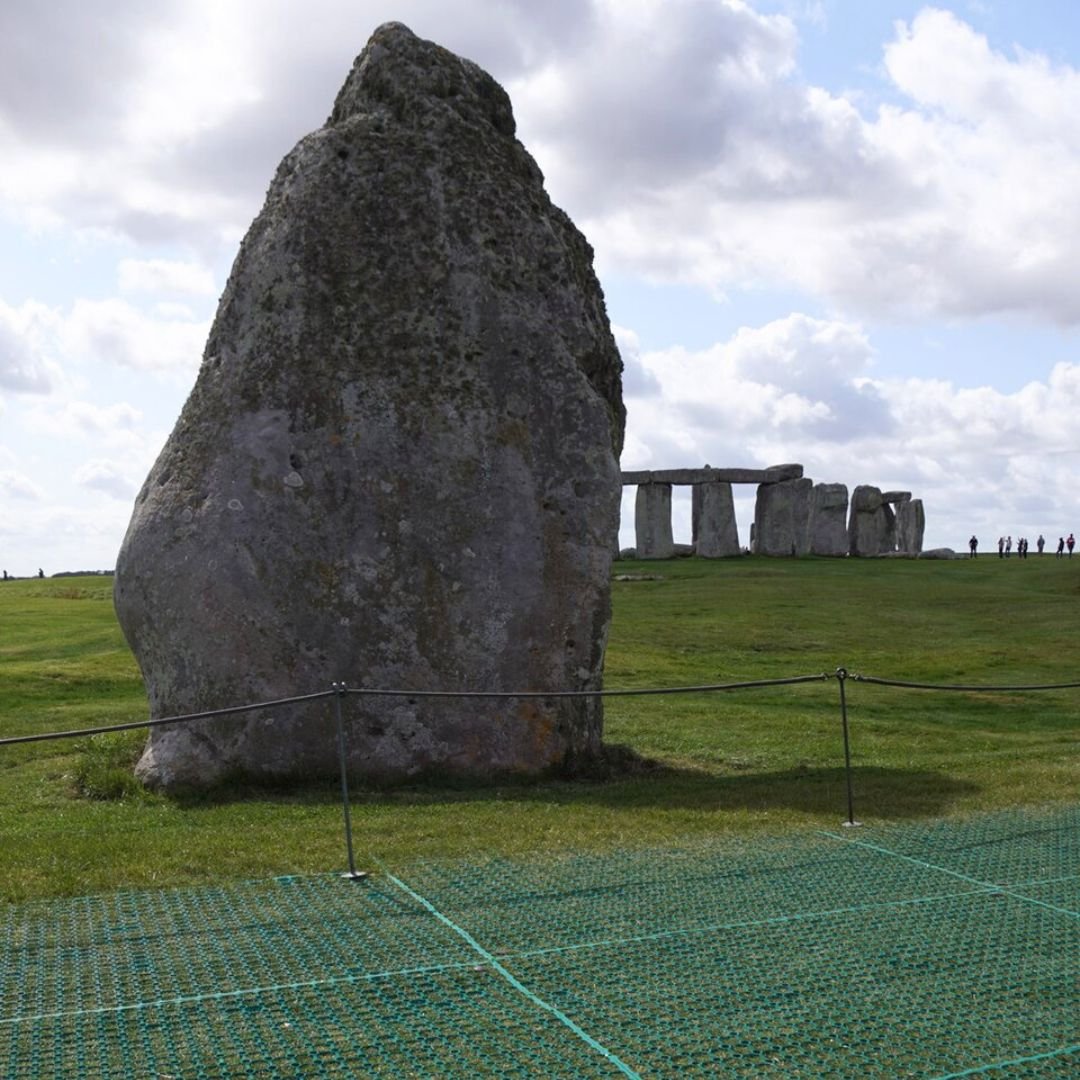
“But what few will realise is that 5,000 years ago on a nearby hillside overlooking modern day Bulford, people were doing the exact same thing – revering and celebrating the sunrise on midsummer’s day.
“The sun was incredibly important to these prehistoric communities, and they could plot and record its midsummer rising to a high degree of accuracy.
“This discovery is probably one of the greatest finds of my career and what makes it so important is just how early it is.
“Up till now, our knowledge of this ancient feat of astronomy was based on Stonehenge and other monuments of a similar period, but what we’ve discovered at Bulford is 500 years earlier than the famous stones we know so well. It makes me incredibly proud to be an archaeologist."
Dr Matt Leivers, Research Manager at Wessex Archaeology, added: “The discovery at Bulford is fundamental because it’s the earliest example of people building things here that aim directly at the solstice.
“When we talk about the solstice, we’re talking about religion. About how prehistoric peoples understood the cosmos, the world, and their place in it.
“What we see at Bulford, and later at Stonehenge, is a way of celebrating and marking the passage of time, but it’s also about making sure the world keeps working as it should.
“It’s likely their way of saying to their deities, please keep us in mind, keep us warm and safe. It’s a religious event. That’s why it’s so important.”
If you enjoyed this article, please follow Exploring GB for more!