Six Years Derelict: The Ancient Woodland (Little Lyntus) Destroyed for Nothing
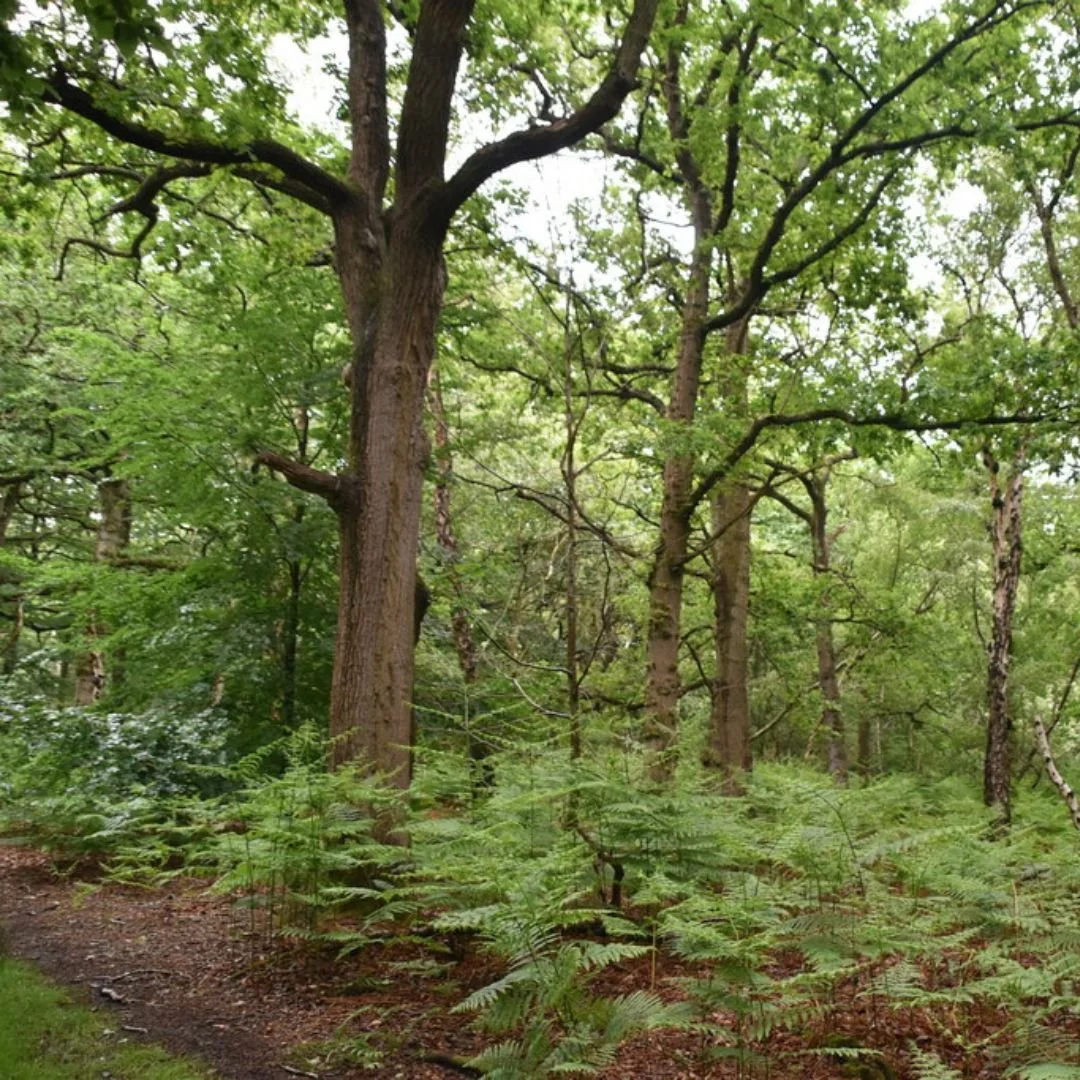
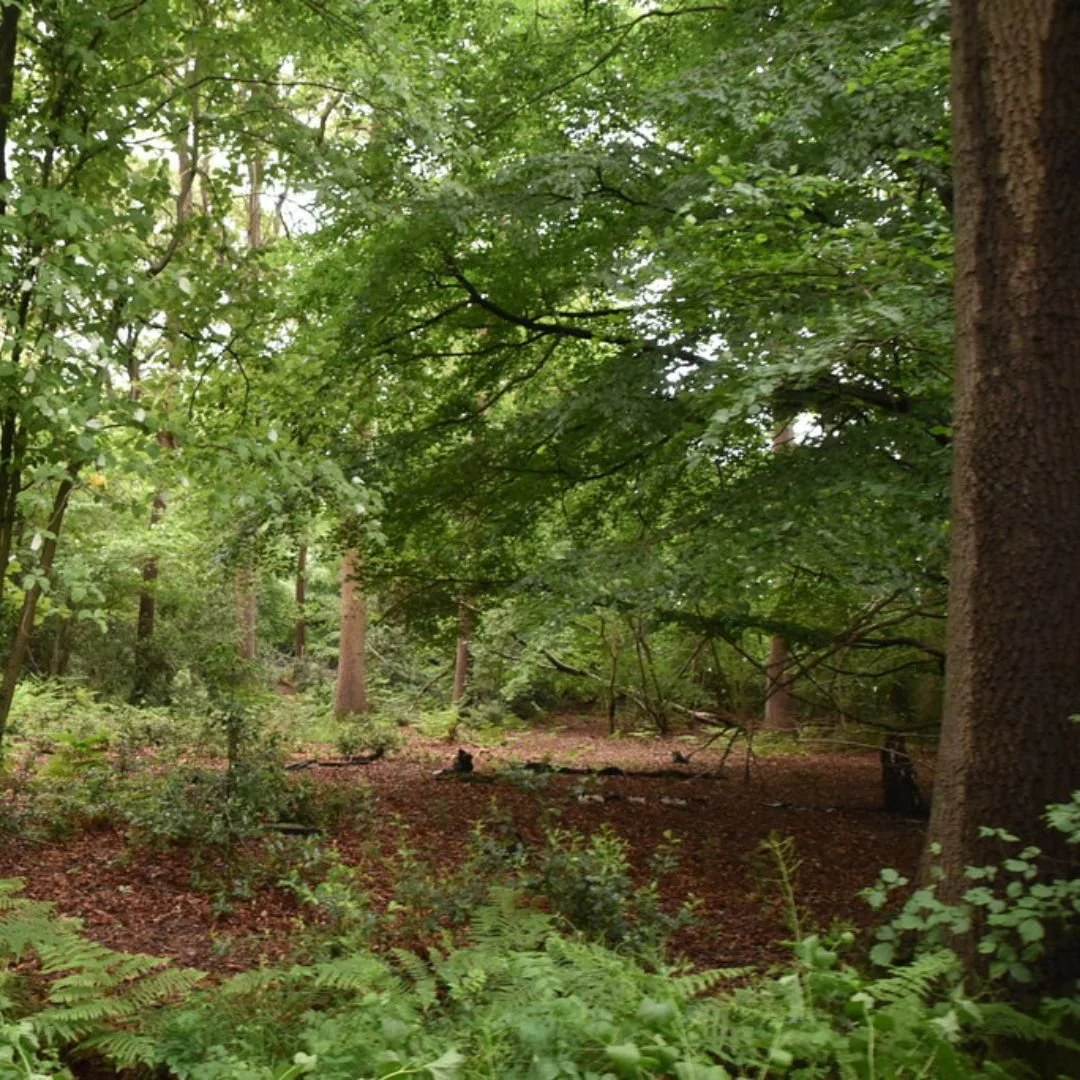
Little Lyntus, a 400 year-old ancient woodland in Staffordshire, was completely destroyed for project ‘HS2.’
The devastating clearing of Little Lyntus illustrates a structural flaw in the execution of major national infrastructure projects: the immediate destruction of permanent natural assets for temporary or shifting political and economic goals.
When heavy machinery moved into the centuries-old woodland, they were dismantling an ecological network that had been developing uninterrupted since at least the late Tudor era.
Over four hundred years, the soil profile of Little Lyntus had become a highly specialised living reservoir.
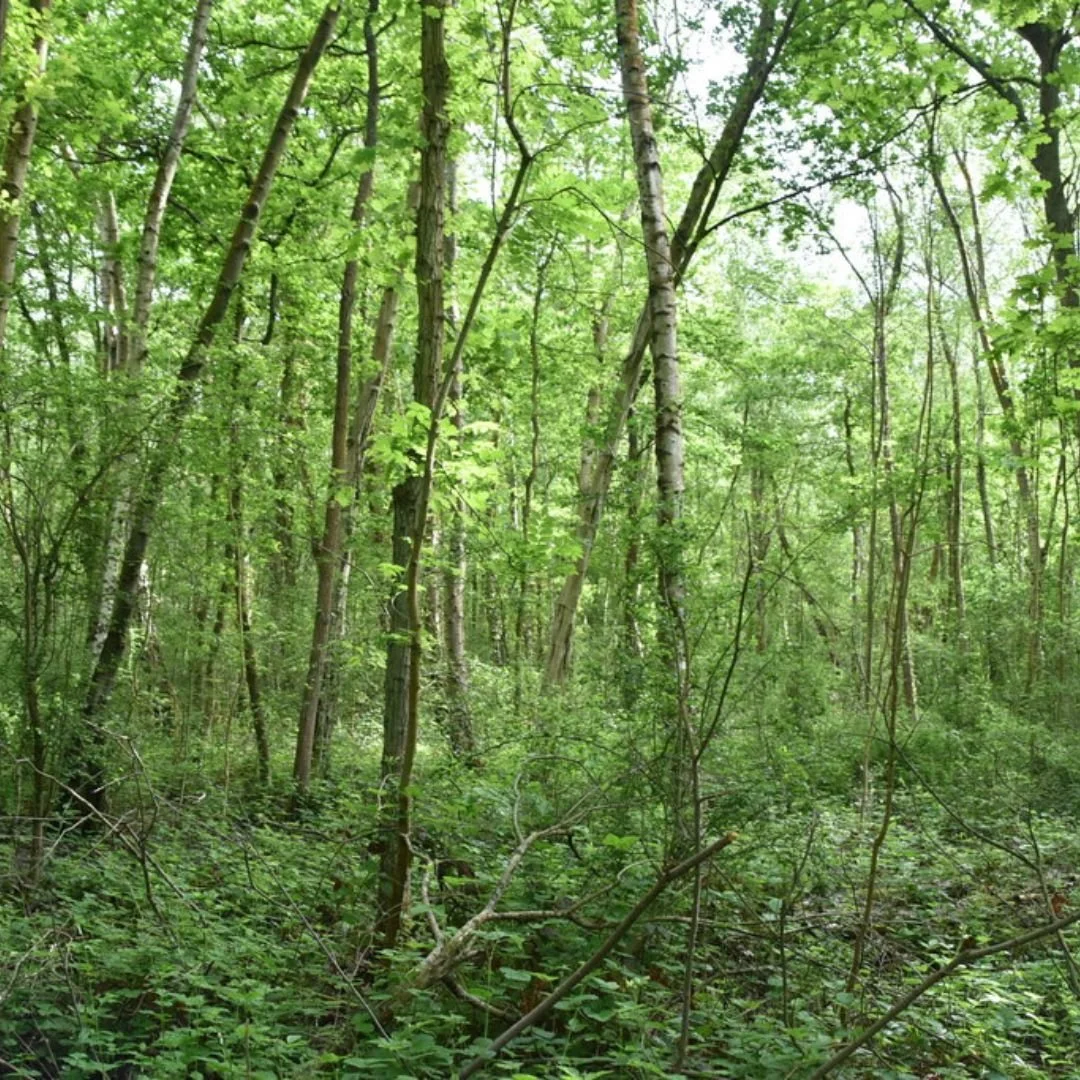
It contained a unique, irreplaceable seed bank of native flora, including bluebells, wood anemones, and wild garlic, alongside highly specific communities of mycorrhizal fungi.
These underground fungal networks are essential for the health of native trees, acting as a biological web that shares nutrients and signals across the forest.
When the ground was churned and stripped by heavy plant machinery, this ancient subterranean architecture was shattered beyond repair.
Environmental organisations, most notably the Staffordshire Wildlife Trust, fought tenaciously to halt or at least delay the felling.
Activists and independent ecologists highlighted a critical failure in the project’s execution: the clearing began abruptly in early autumn, violating initial assurances that work would not commence until the woodland entered its dormant winter phase.
By advancing the timeline into September, contractors disrupted active wildlife, including nesting birds and protected bat species reliant on the hollows of veteran trees for roosting and seasonal navigation.
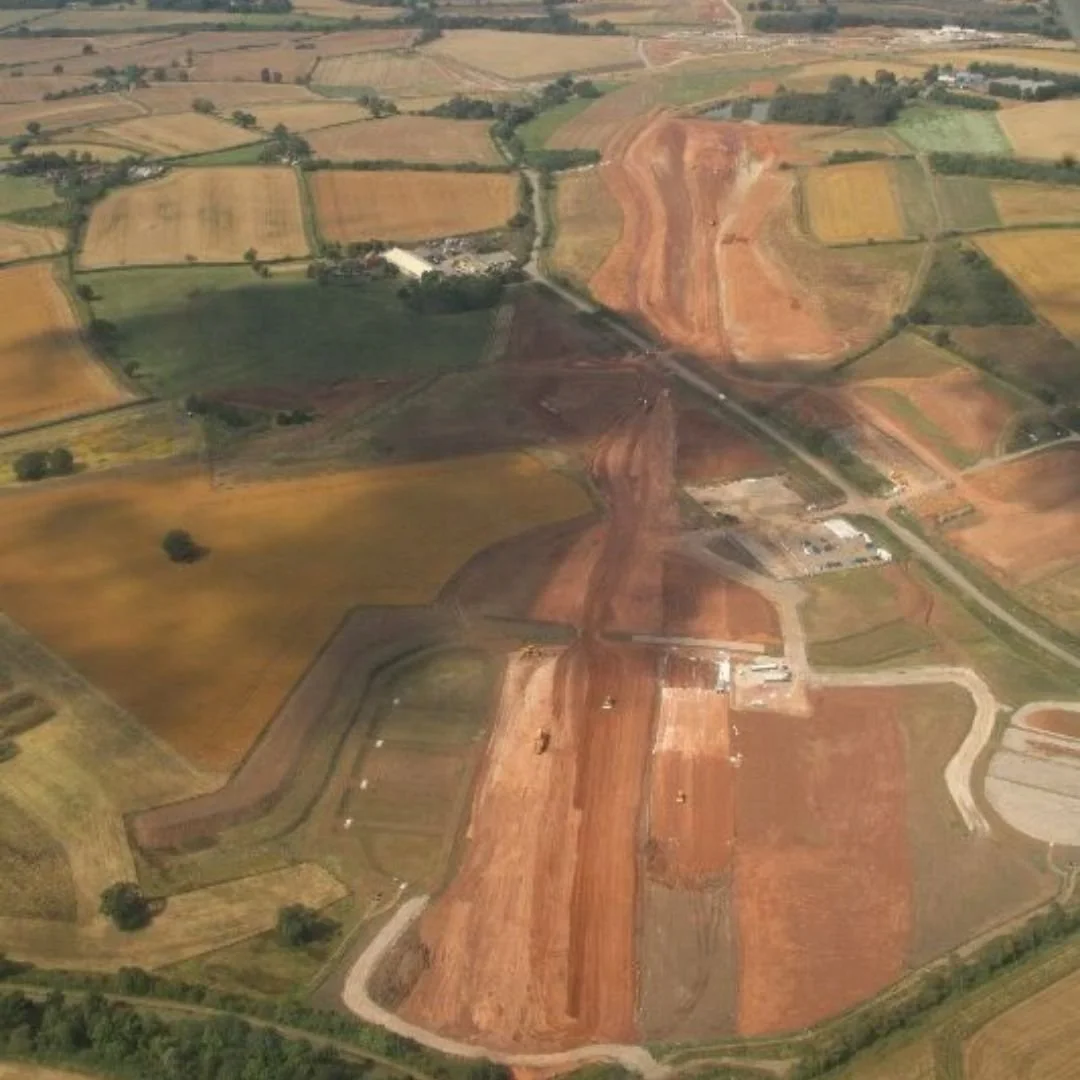
HS2 construction near Leamington Spa in August
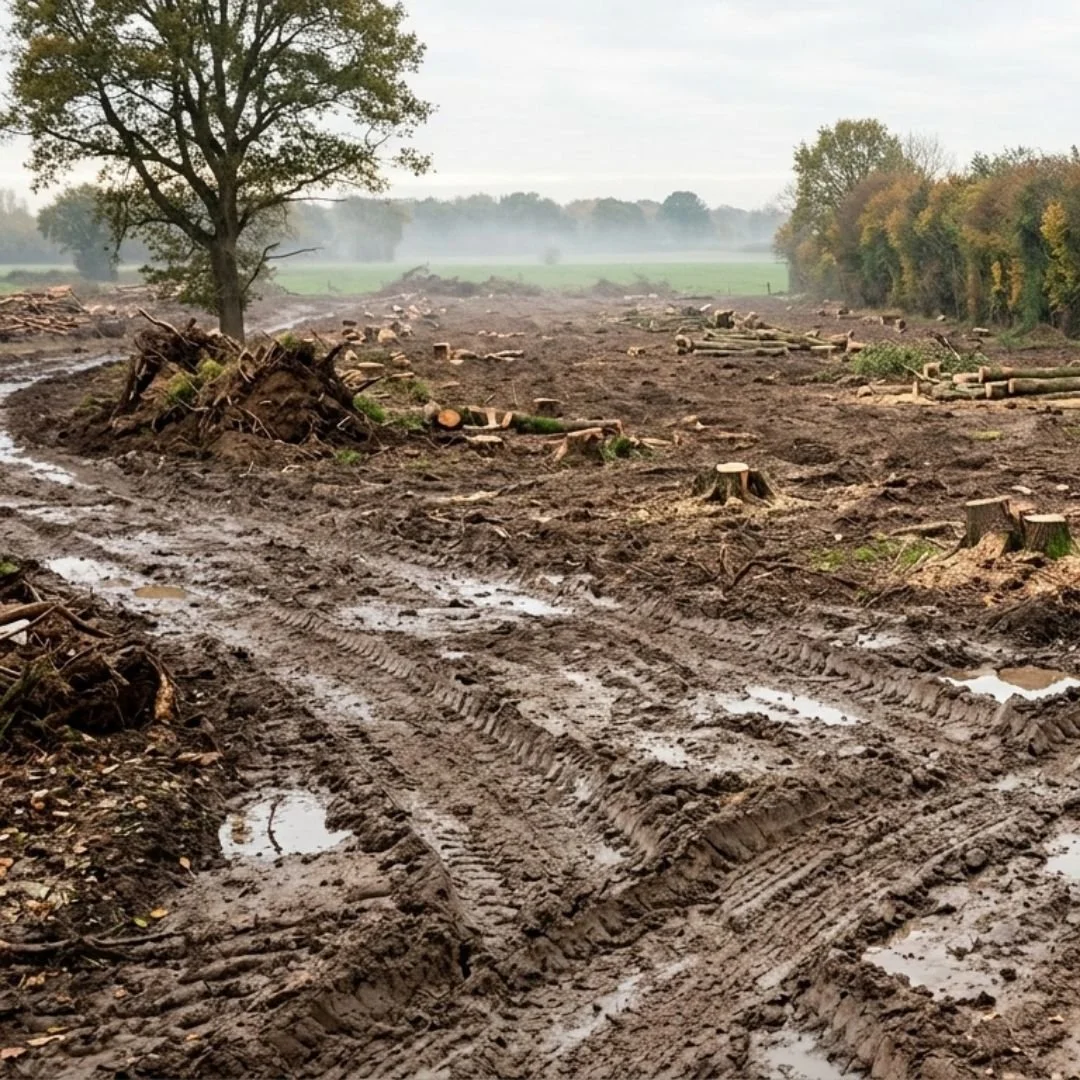
The immediate result was a stark, muddy wound in the Staffordshire landscape, a clearing where massive oaks and birches were replaced by heavy vehicle tracks, security fencing, and a field of churned clay.
The tragedy took an even darker turn when shifting political priorities and soaring economic pressures triggered a cascading reassessment of the entire HS2 enterprise.
Not long after the ecological heart of Little Lyntus was cut out, the government announced massive cutbacks, sweeping route alterations, and formal cancellations of the northern phases intended to extend through the region.
The project ground to a halt, leaving the future timeline fractured, paused, and deeply uncertain.
This policy pivot transformed a profound environmental loss into a completely senseless historical blunder.
The destruction was carried out under the banner of absolute developmental necessity, yet the resulting barren space now sits idle, a quiet monument to bureaucratic inertia.
The space resembles little more than a derelict fort of industrial planning, frozen for the last six years while politicians debate budget sheets in distant chambers.
Proponents of the rail line frequently point toward environmental mitigation strategies, specifically the practice of translocating ancient woodland soils to designated receptor sites and planting new saplings.
However, the scientific consensus among ecologists remains unwavering: you cannot translocate a four-hundred-year-old ecosystem.
The delicate layers of soil chemistry, the centuries-old root systems, and the micro-climates created by a mature canopy cannot be simulated on a new patch of land by moving dirt and planting young trees.
A newly planted woodland takes centuries to develop a fraction of the biodiversity lost in a weekend of felling.
Its premature and now apparently pointless destruction is a sobering warning for future infrastructure planning, proving that once an ancient ecosystem is sacrificed to the bulldozer, no amount of political backtracking or future funding can ever bring it back.
If you enjoyed this blog post, please follow Exploring GB on Facebook for more!
Don’t forget to check out our latest blog posts below.