Developers Illegally Demolish Historic London Pub - But Forced to Rebuild It
After illegally demolishing the Carlton Tavern just days before its historic listing, developers were forced to rebuild the London pub brick by brick.
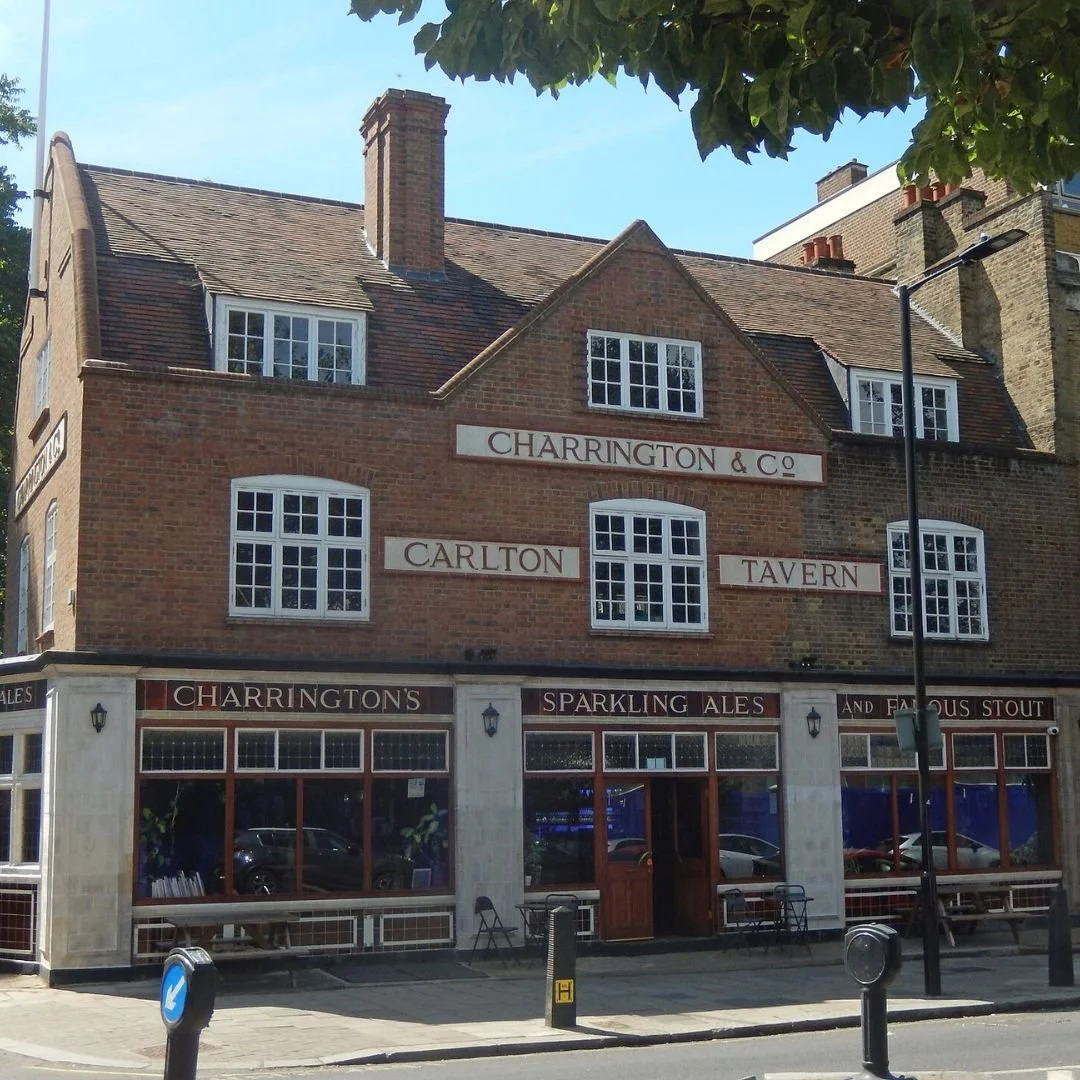
The tavern was the sole survivor of the WW2 Blitz on its street, making its exact reconstruction a major victory for heritage preservation.
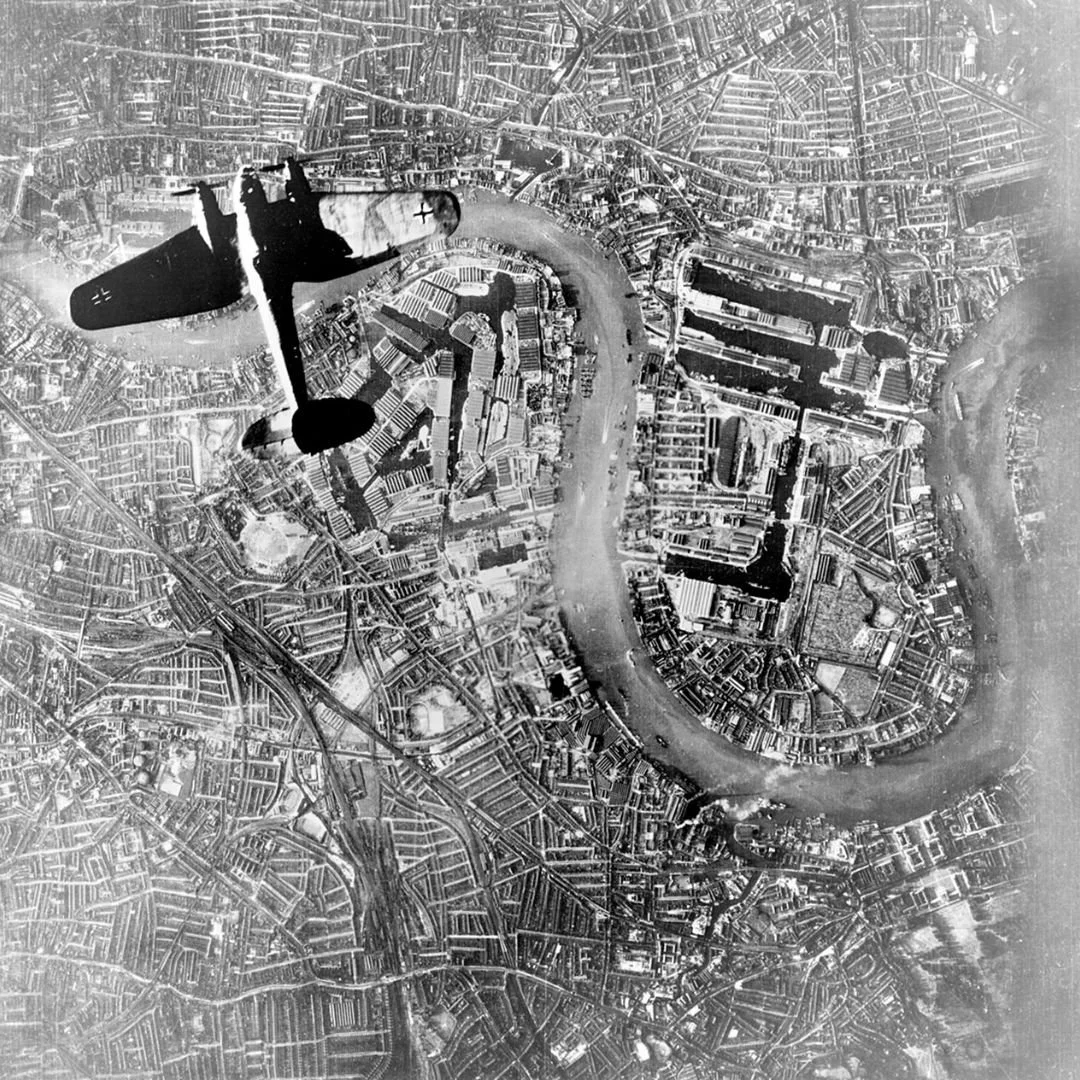
The iconic boozer survived the devastating German Luftwaffe bombings during the Second World War, standing defiantly as the only building on Carlton Vale to escape destruction during the Blitz.
Yet, where bombs had failed, corporate hubris had seemingly succeeded.
A property developer had ordered the complete demolition of the pub, flattening it overnight without authorisation and just days before it was scheduled to be listed as an English heritage site.
Once listed, a property is shielded by strict statutory law.
It becomes a criminal offence to demolish, extend, or alter the building in any way that affects its character without explicit, formal permission.
The unauthorised destruction of the Carlton Tavern was not an isolated incident of administrative negligence, but rather a calculated gamble.
The developers had previously applied for planning permission to replace the historic pub with a modern block of luxury flats and a smaller commercial space.
Westminster City Council had staunchly rejected the proposal, recognising the building’s immense historical and architectural value.
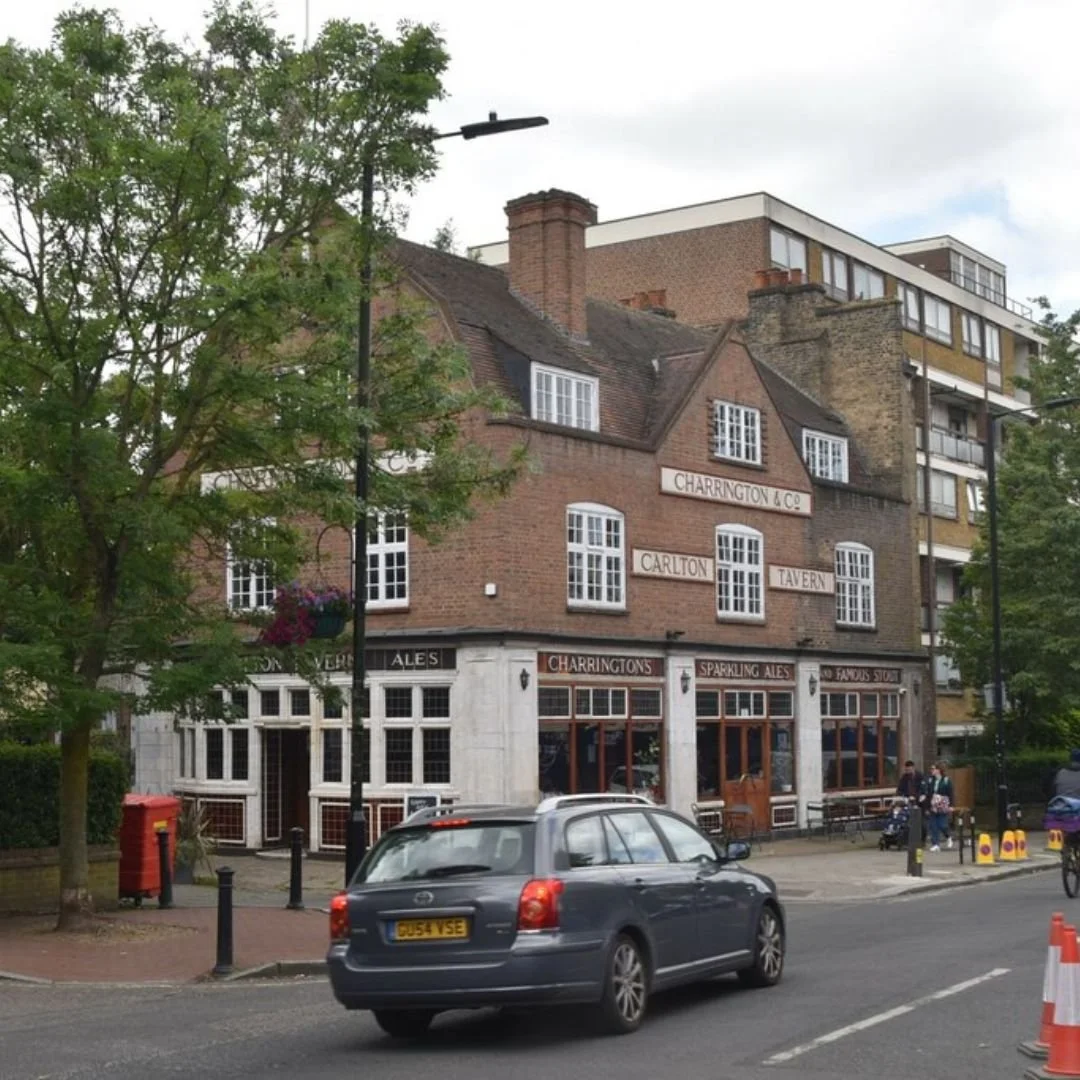
Unbeknownst to the developers, Historic England was already in the final stages of evaluating the tavern for Grade 2 listed status.
Recognising that a preservation order would permanently prevent demolition, the developers moved preemptively, sending in bulldozers on Easter Monday while the council offices were closed, presenting the city with an irreversible fait accompli.
However, the developers severely miscalculated the resolve of the local community and the regulatory teeth of the municipal government.
The public outcry was immediate and fierce.
Neighbours, historians, and patrons rallied outside the rubble, demanding justice for the loss of their local pub.
Refusing to allow the developer to profit from illegal demolition, Westminster City Council took an unprecedented and historic step.
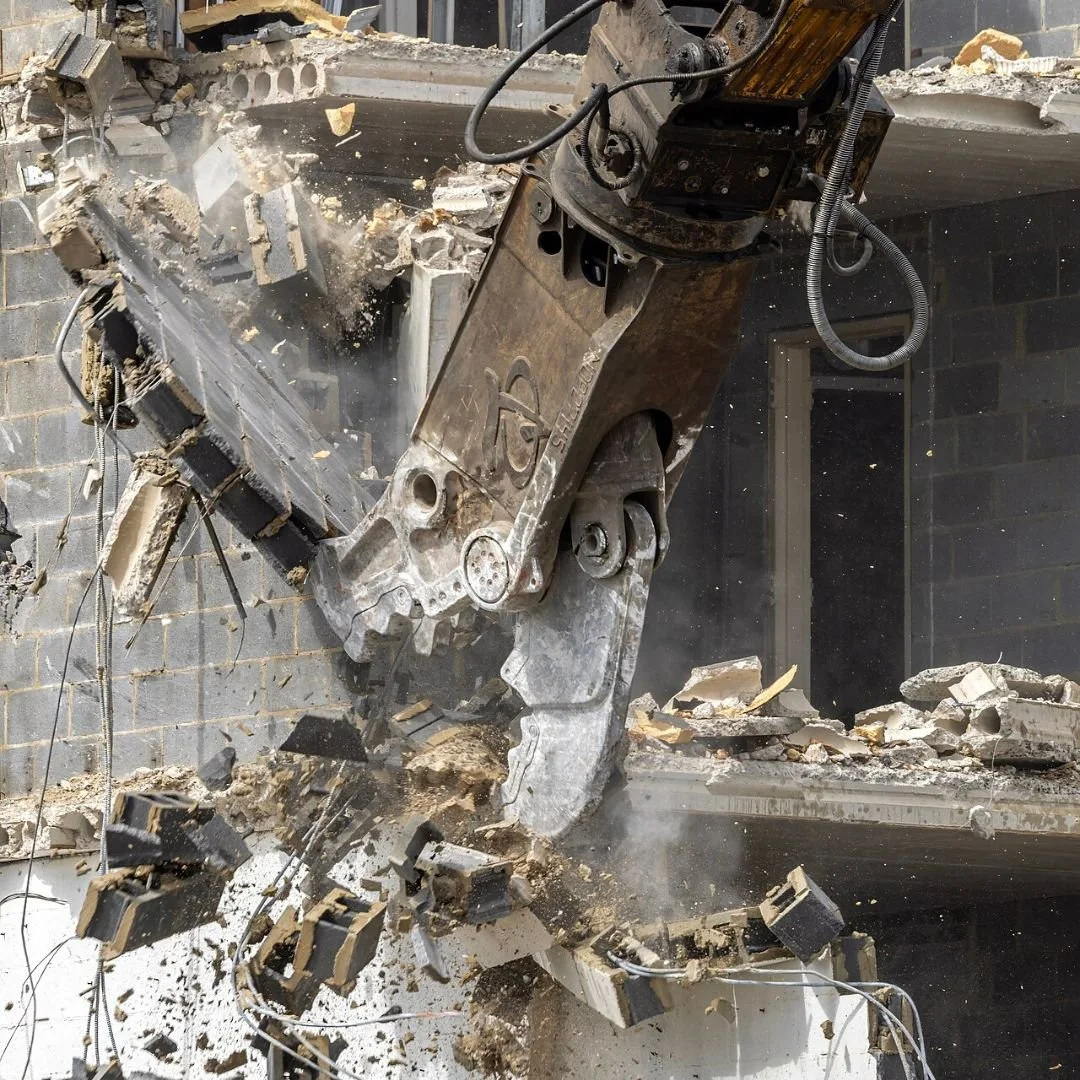
Instead of issuing a punitive fine, which developers routinely absorb as a cost of doing business, the council handed down an extraordinary enforcement notice: the developers were legally mandated to rebuild the Carlton Tavern exactly as it stood, brick by brick, from the ground up.
The directive was unprecedented in its stringency and scope.
The developers appealed the council's decision, leading to a public inquiry where inspectors ultimately upheld the enforcement notice, declaring that the law must send a clear message to speculative builders that illegal demolition would not yield financial gain.
The mandate required the reconstruction to be an authentic recreation rather than a modern facsimile.
Architects and surveyors were forced to rely on historical photographs, deep archival records, and meticulous surveys compiled by Historic England during the listing process to recreate the precise floor plans, elevations, and structural intricacies of the original 1920s design.
What followed was an extraordinary six year journey (starting in 2015) of architectural resurrection.
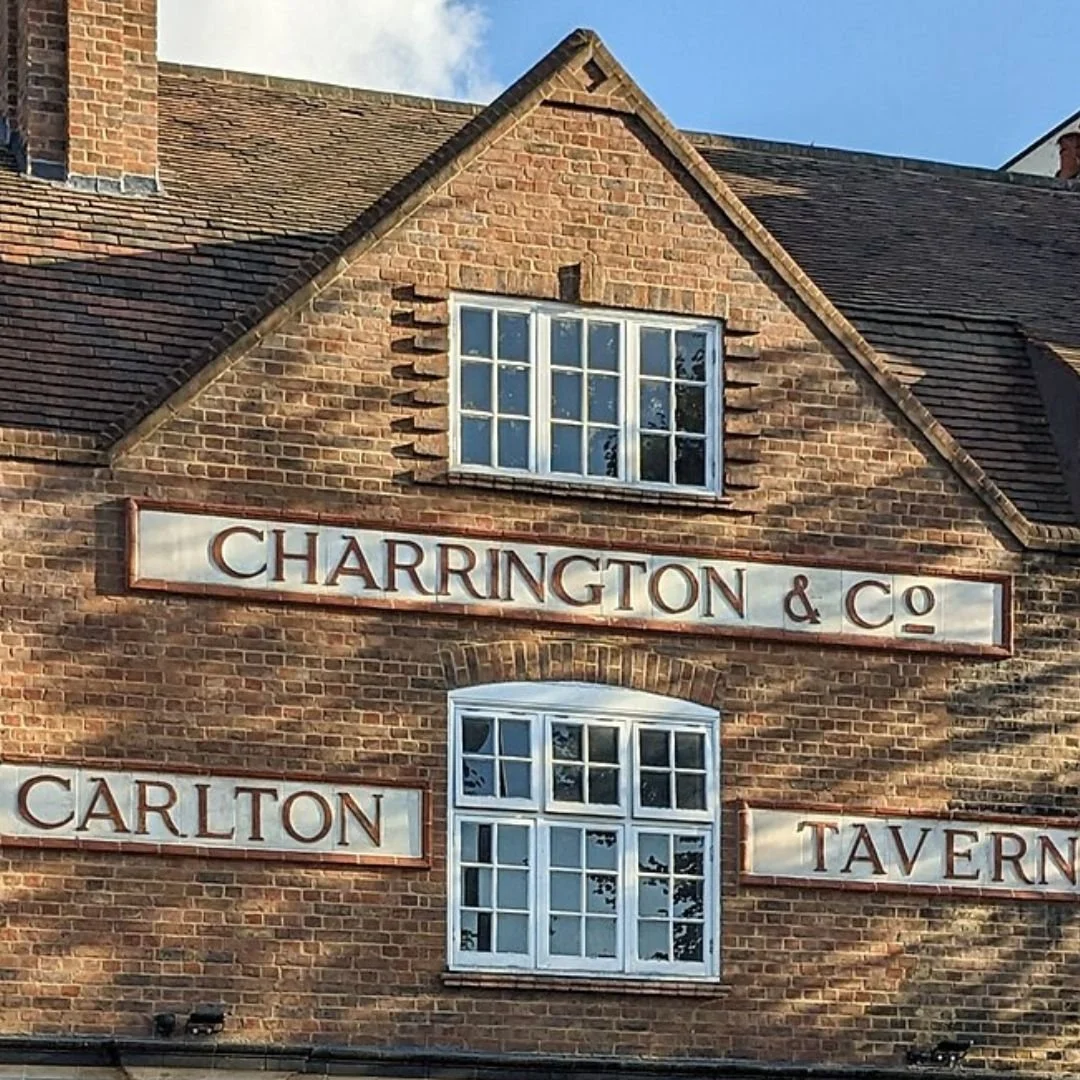
Every surviving detail of the Carlton Tavern had to be sourced, cast, or matched with obsessive accuracy.
Specialists tracked down reclaimed bricks that matched the unique color and weathered texture of the original facade.
The pub’s distinctive external tiling, featuring the historic logo of Charrington Brewery, had to be recreated by specialised ceramic artisans.
Inside, craftsmen painstakingly reproduced the ornate wooden bars, the decorative plasterwork ceilings, and the distinctive leaded glass windows that had once welcomed generations of Londoners through the Great Depression, the war, and the subsequent decades of urban change.
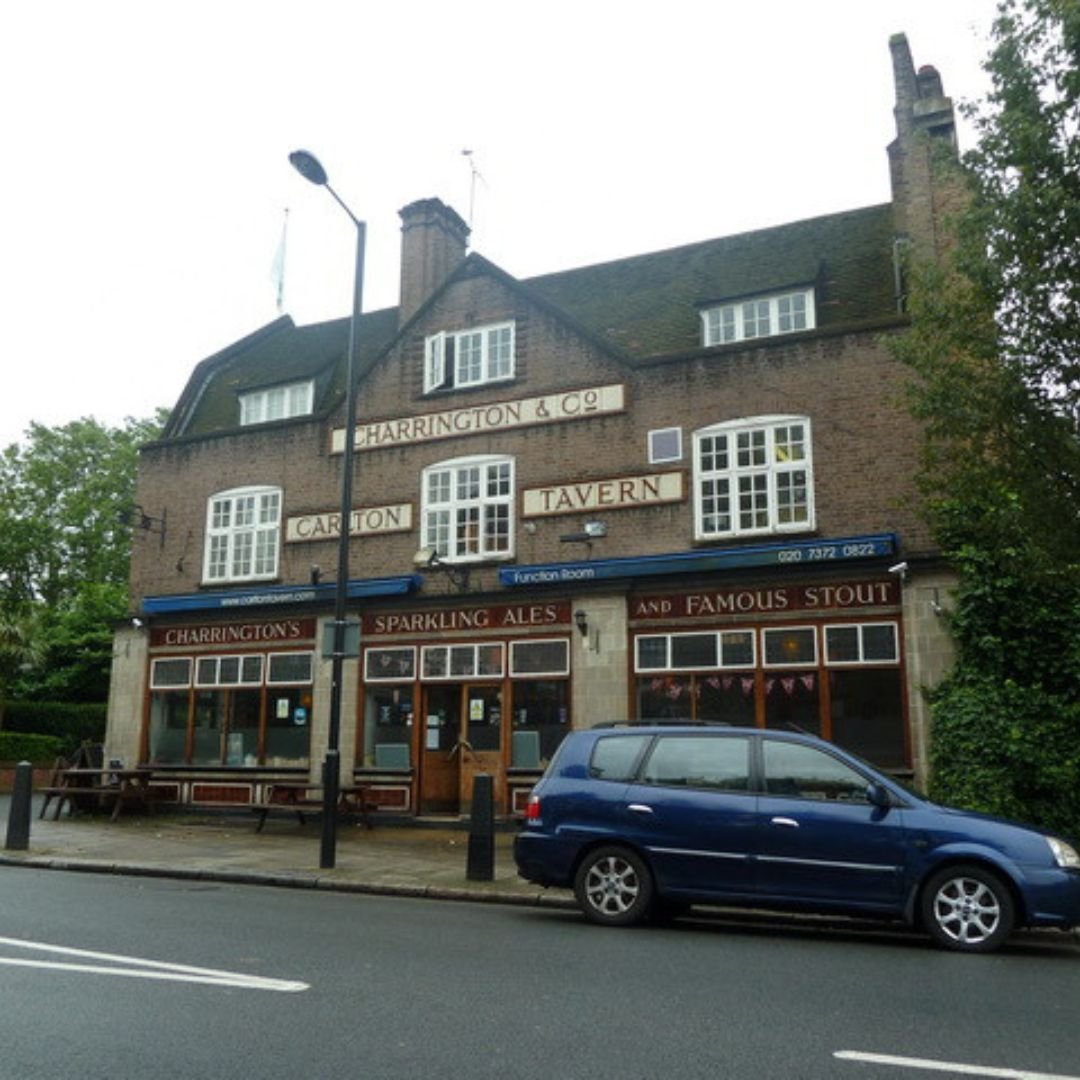
The successful reconstruction of the Carlton Tavern finally reopened its doors to the public in April 2021.
The pub remains standing in 2026.
If you enjoyed this article, please follow Exploring GB on Facebook for more - thank you! :)