RSPB Purchases Bass Rock After 300 Years in Private Hands
One of the world’s most spectacular natural wonders is changing hands for the first time in more than 300 years.
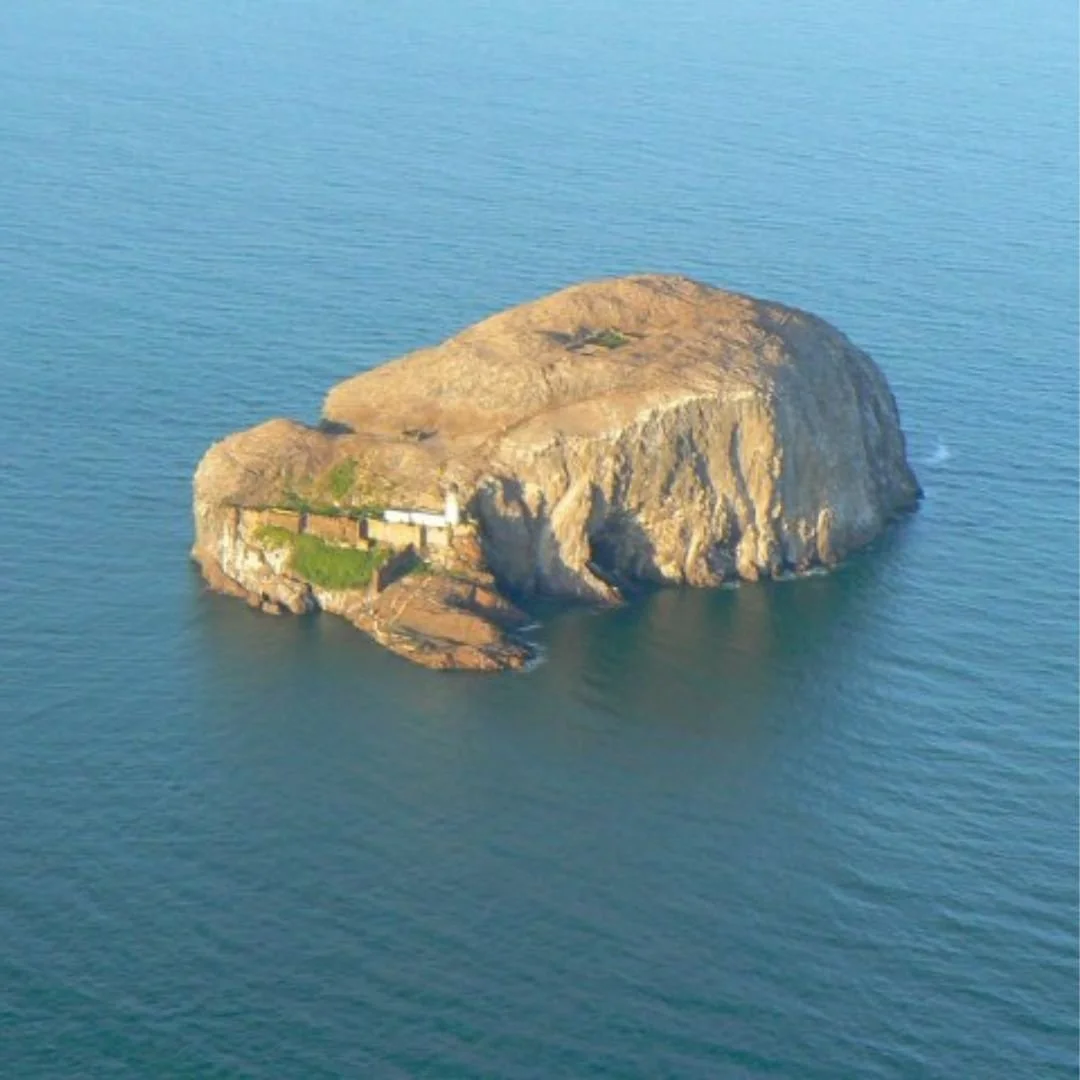
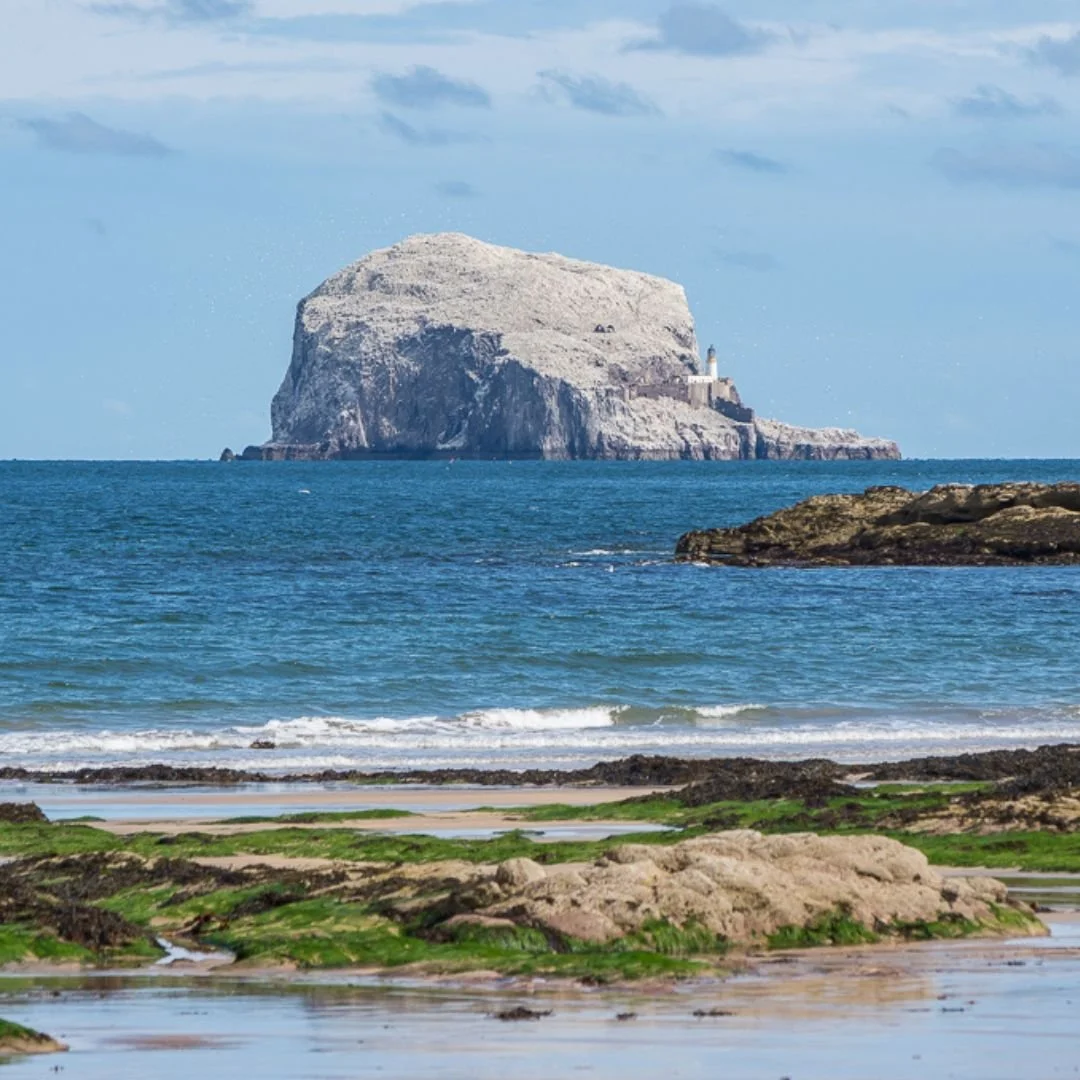
RSPB Scotland has announced the historic purchase of Bass Rock, the famous volcanic island in the Firth of Forth, alongside its nearby neighbour, Craigleith Island.
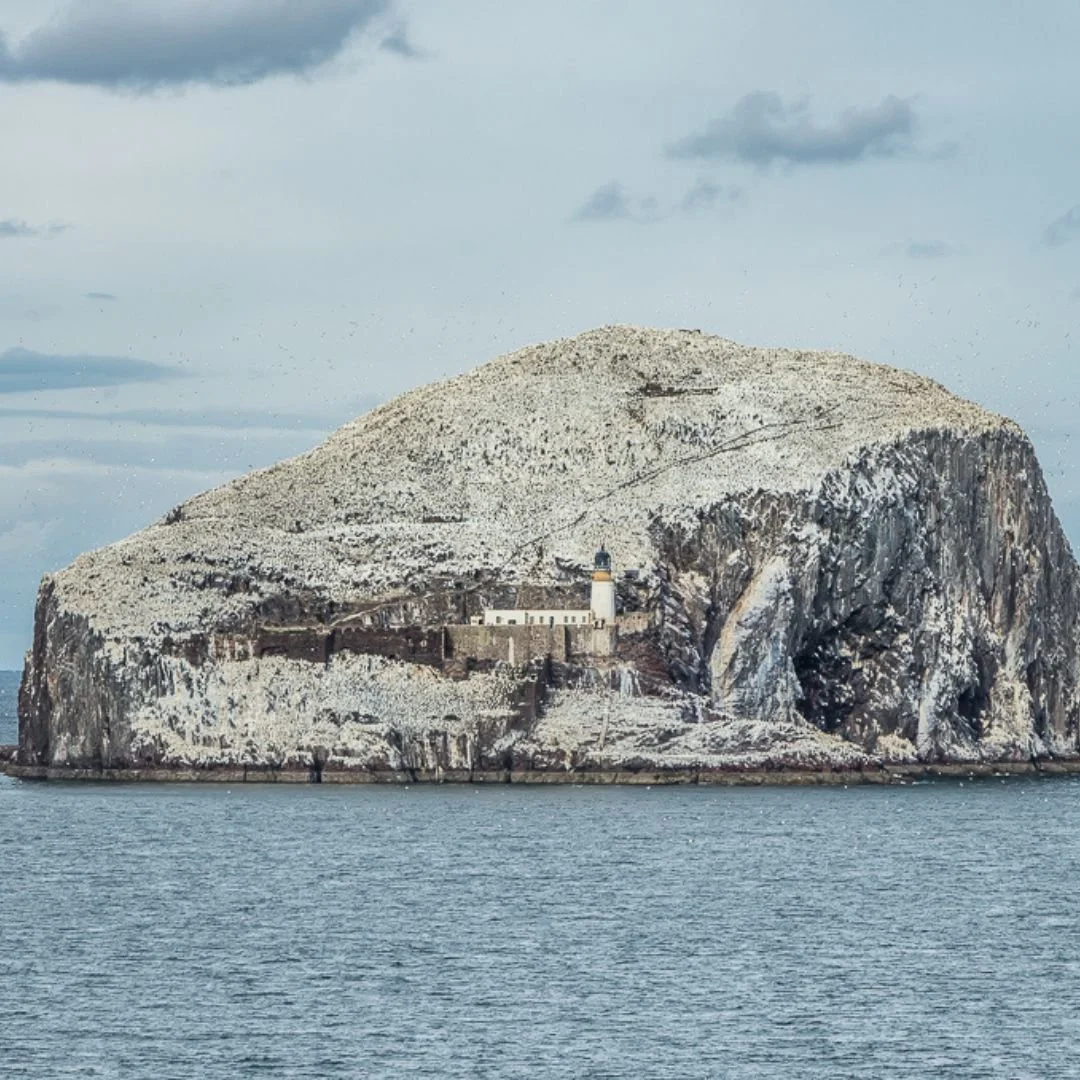
Rising 350 feet out of the sea three miles off the coast of North Berwick, the sheer cliffs of Bass Rock have been held privately by the Hamilton-Dalrymple family since 1706.
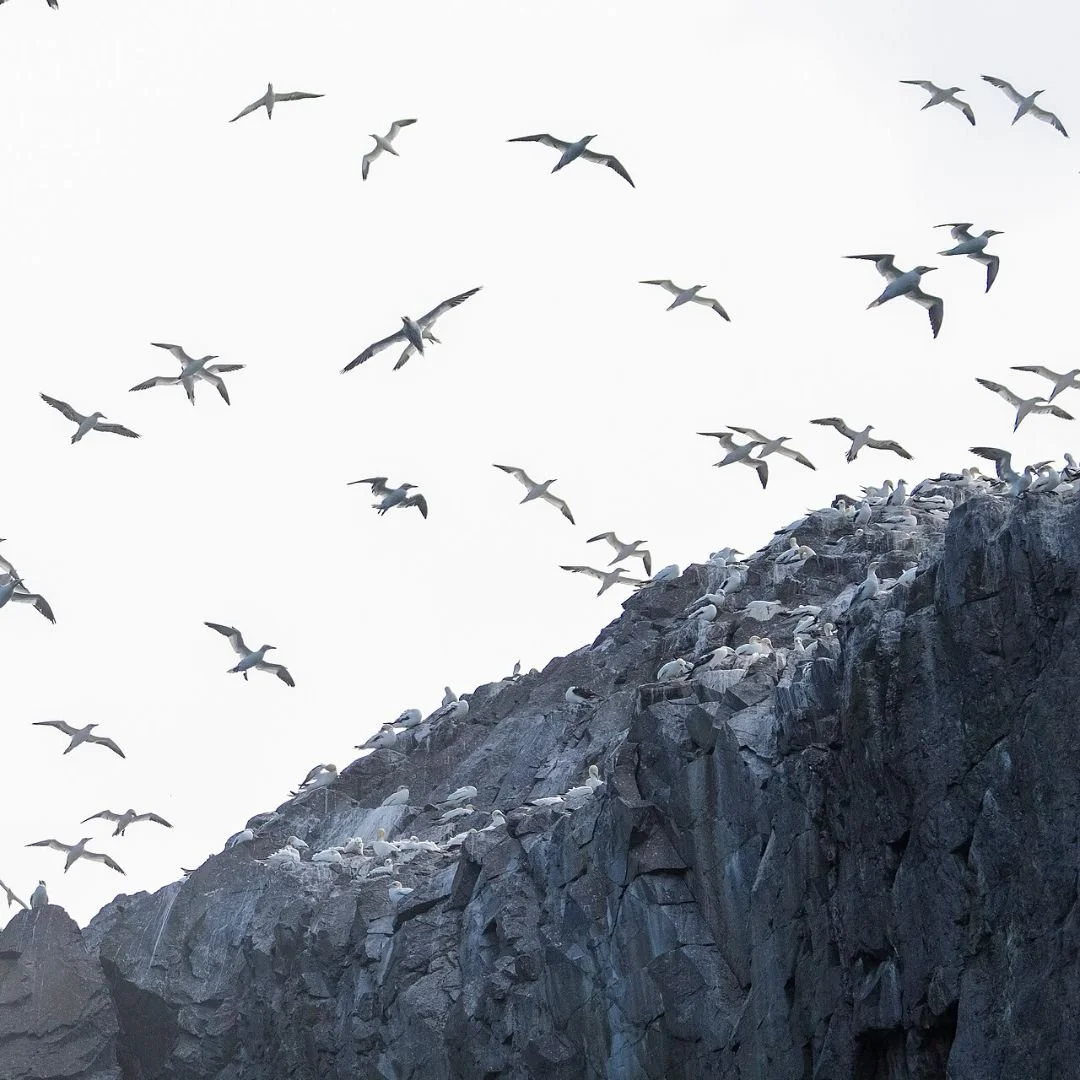
Known for its iconic white appearance, rendered completely pale by the sheer volume of nesting birds and guano, the island is home to an internationally renowned wildlife spectacle that Sir David Attenborough once designated as one of the 12 wildlife wonders of the world.
The acquisition was made possible through a top secret deal funded by a £586,000 grant from the National Heritage Memorial Fund, transitioning the islands from aristocratic custody into permanent public trust.
While the transfer is being celebrated as a historic victory for British conservation, it comes at an incredibly tense moment for marine life.
Scotland's seabirds are facing unprecedented, compounding crises, with conservationists warning that roughly 70% of species are experiencing severe regional declines.
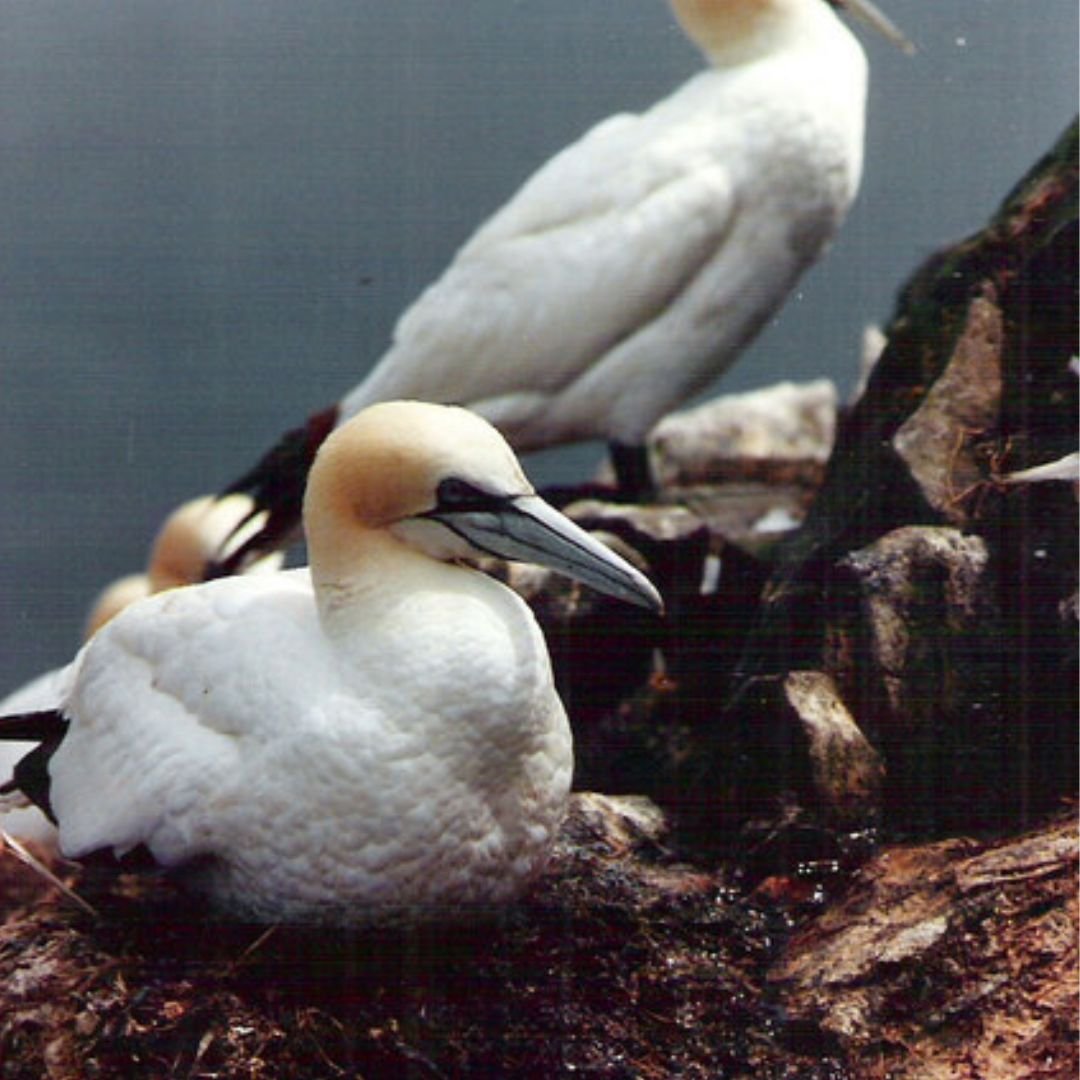
Bass Rock is a critical sanctuary for approximately 100,000 Northern Gannets during peak breeding season, making it one of the most significant gannet colonies on the planet.
However, the colony was catastrophically hit by the Highly Pathogenic Avian Influenza outbreak between 2022 and 2023.
Entire swaths of breeding pairs were wiped out, and while recent aerial surveys show encouraging signs of resilience, population levels have only crawled back to about two-thirds of their historic peak of 150,000.
Compounding the threat of disease are expanding human activities in the North Sea.
Outgoing landowner Sir Hew Dalrymple noted that managing the islands has become an immense challenge for any single private individual, especially when confronting modern industrial developments.
Sir Hew expressed deep anxieties over major offshore wind developments, such as the proposed Berwick Bank wind farm, which critics worry could industrialise the outer Firth of Forth.
He emphasised that the immense construction gantries pose direct collision risks to birds and threaten to disturb the delicate seabed ecosystems that support the fish the birds rely on.
Passing the torch to a massive charity like the RSPB ensures the islands have a powerful legal and political advocate to fight these battles.
The islands carry a history that stretches far back before the Dalrymple family took ownership in the early 18th century.
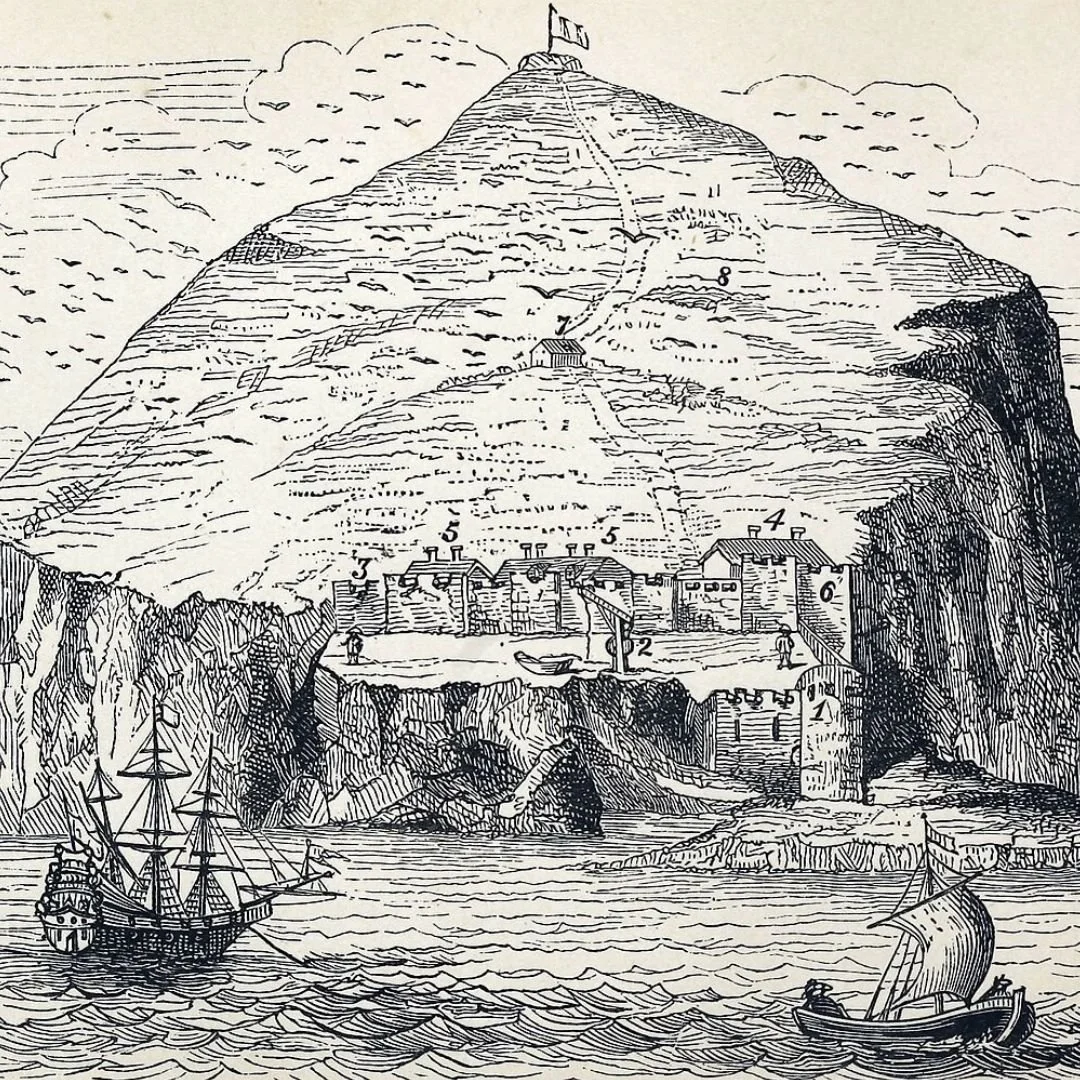
Originally the home of a 7th Christian hermit, Saint Baldred, Bass Rock was later fortified by the Lauder family, who successfully resisted royal buy-out offers from King James VI.
By the late 17th century, the island had been transformed into a brutal fortress jail used by the Crown to imprison political and religious dissidents under horrific conditions.
In 1902, the iconic white lighthouse was constructed, automated decades later, leaving the rock entirely uninhabited by humans.
Under the new ownership structure, RSPB Scotland will expand its existing Firth of Forth nature reserve network.
The charity plans to work in close coordination with the Scottish Seabird Centre in North Berwick to step up localised research and environmental tracking.
Immediate plans include funding essential conservation work, including tracking avian flu recovery and controlling invasive plant species like tree mallow, which has historically choked out puffin burrows on neighbouring Craigleith Island.
Thanks to community volunteer efforts, Craigleith's puffin population has managed to quadruple to nearly 10,000 birds, providing a blueprint for the intensive management now planned for Bass Rock.
Because human foot traffic can cause severe stress to nesting seabirds, physical landings on Bass Rock will remain strictly controlled and limited to authorised researchers and conservation staff.
However, the funding package includes provisions to drastically improve how the public interacts with the sanctuary remotely.
The National Lottery Heritage Fund has provided an additional £372,000 in development funding, with the potential to unlock more than half a million pounds further.
This money will be used to create a state-of-the-art, immersive 360 degree viewing theatre at the mainland Scottish Seabird Centre.
By utilising high-definition live cameras, visitors will be able to stand in the middle of the roaring, chaotic gannet colony in real time without ever disturbing a single nest.
The partnership will also roll out highly inclusive, sustainable boat tours around the outer edges of the cliffs, allowing locals to witness the iconic dive-bombing hunting patterns of the gannets from a safe distance.
The sale marks the end of an era for the Dalrymple family, but for the hundreds of thousands of seabirds returning to the Firth of Forth each spring, it secures a permanently protected stronghold in an increasingly volatile world.
We hope you enjoyed this blog post, if you did, please follow Exploring GB on Facebook for more!