England’s 'Major Oak' Tree Dies After 1,000 Years
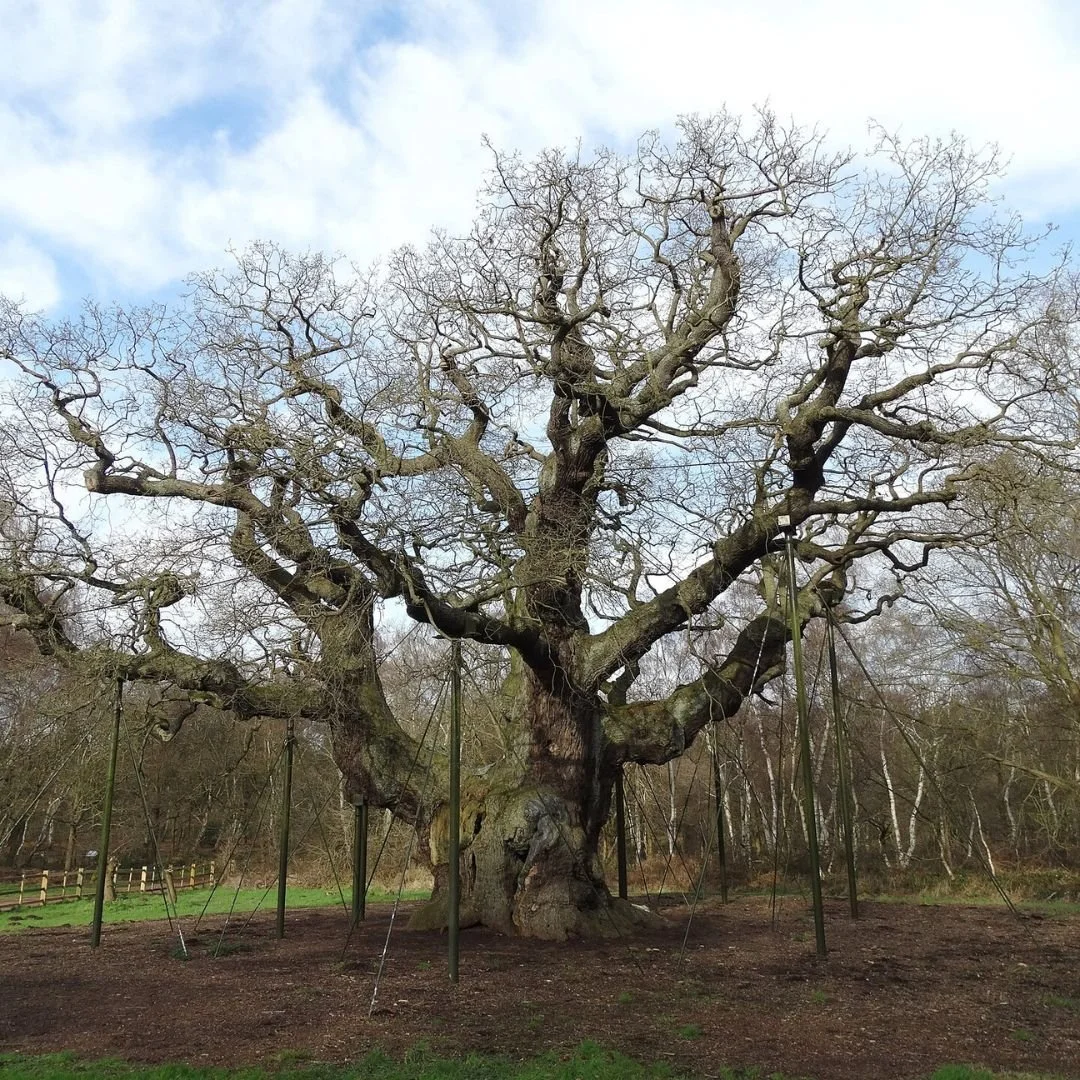
The Major Oak, famously linked to the legend of Robin Hood, has died.
On June 18, 2026 the Royal Society for the Protection of Birds, which manages the Sherwood Forest site, officially confirmed that the ancient Quercus robur has reached the end of its extraordinary life.
The decision followed a heartbreaking spring in which the tree failed to produce a single leaf, marking the definitive conclusion of a decline that had been closely monitored for years.
For an estimated 1,000 to 1,200 years, the Major Oak was a living bridge between the past and the present.
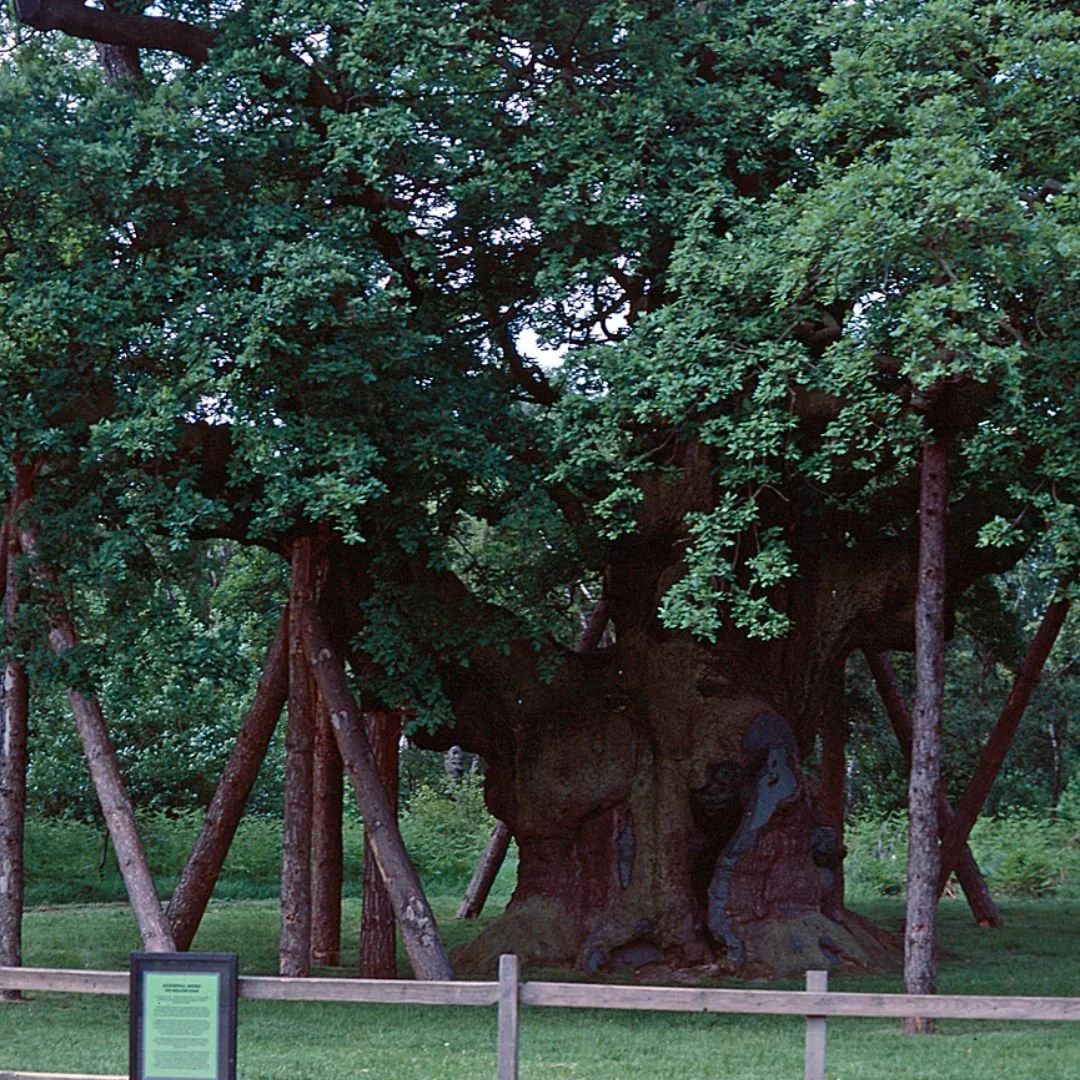
Looming over the forest with a massive canopy spanning nearly 92 feet and a trunk measuring 33 feet in circumference, it was more than just a tree; it was a pilgrimage site for millions.
Legend dictates that the tree provided shelter to the outlaw Robin Hood and his Merry Men, used as their natural fortress.
While the veracity of the myth remains a blend of history and folklore, the tree’s cultural significance remained unshakable.
It was named England's "Tree of the Year" in 2014 and became an enduring symbol of British heritage.
The demise of the Major Oak was not the result of a single event, but rather a perfect storm of environmental and historical pressures.
Recent years were particularly unforgiving, as the tree suffered significantly from a succession of hot, dry summers and extreme heatwaves.
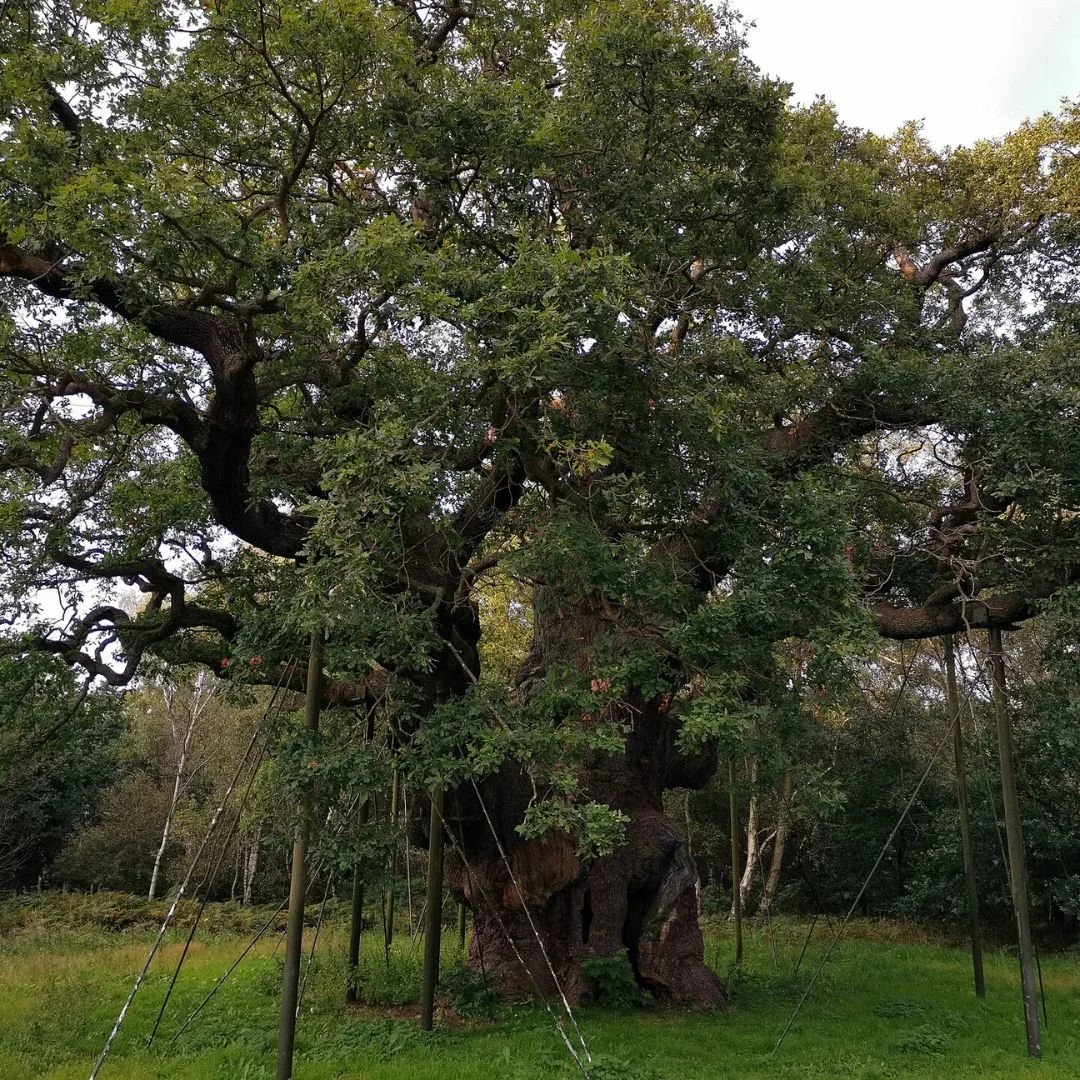
The lack of sufficient rainfall in recent years left the aging oak dehydrated and unable to sustain its immense canopy.
Ironically, some of the most well-intentioned human efforts to save the tree likely accelerated its decline.
Over the last century, metal bracing, concrete, and props were installed to support the oak’s heavy limbs.
Scientists now believe these structures forced the tree to pump water and nutrients toward artificial branches instead of allowing it to naturally shed heavy limbs to conserve energy as it aged.
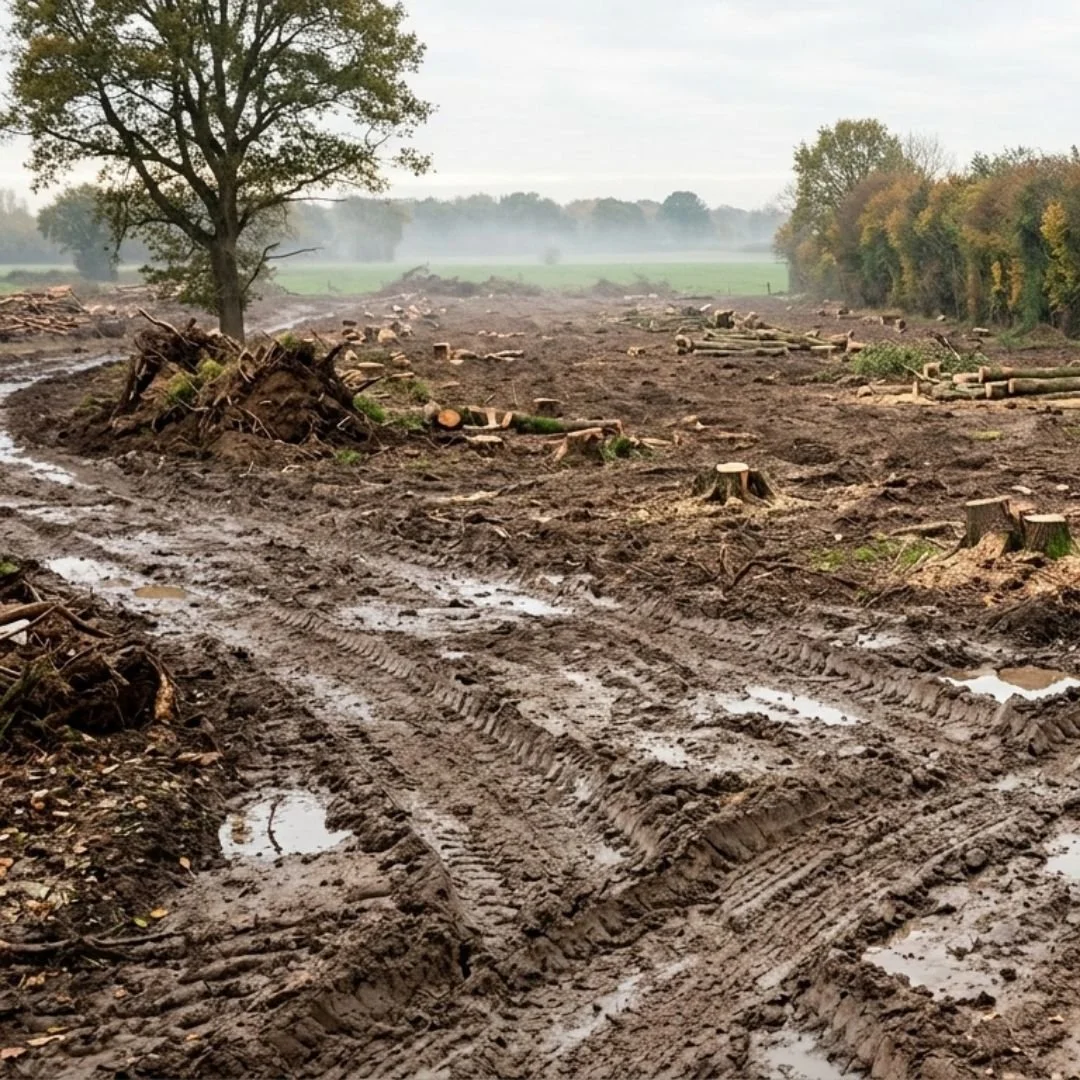
Furthermore, centuries of footfall from millions of visitors caused severe soil compaction.
Investigative scans revealed that the ground had become as hard as concrete, preventing essential air, water, and nutrients from reaching the roots, which were found to be starved and disconnected from the surrounding environment.
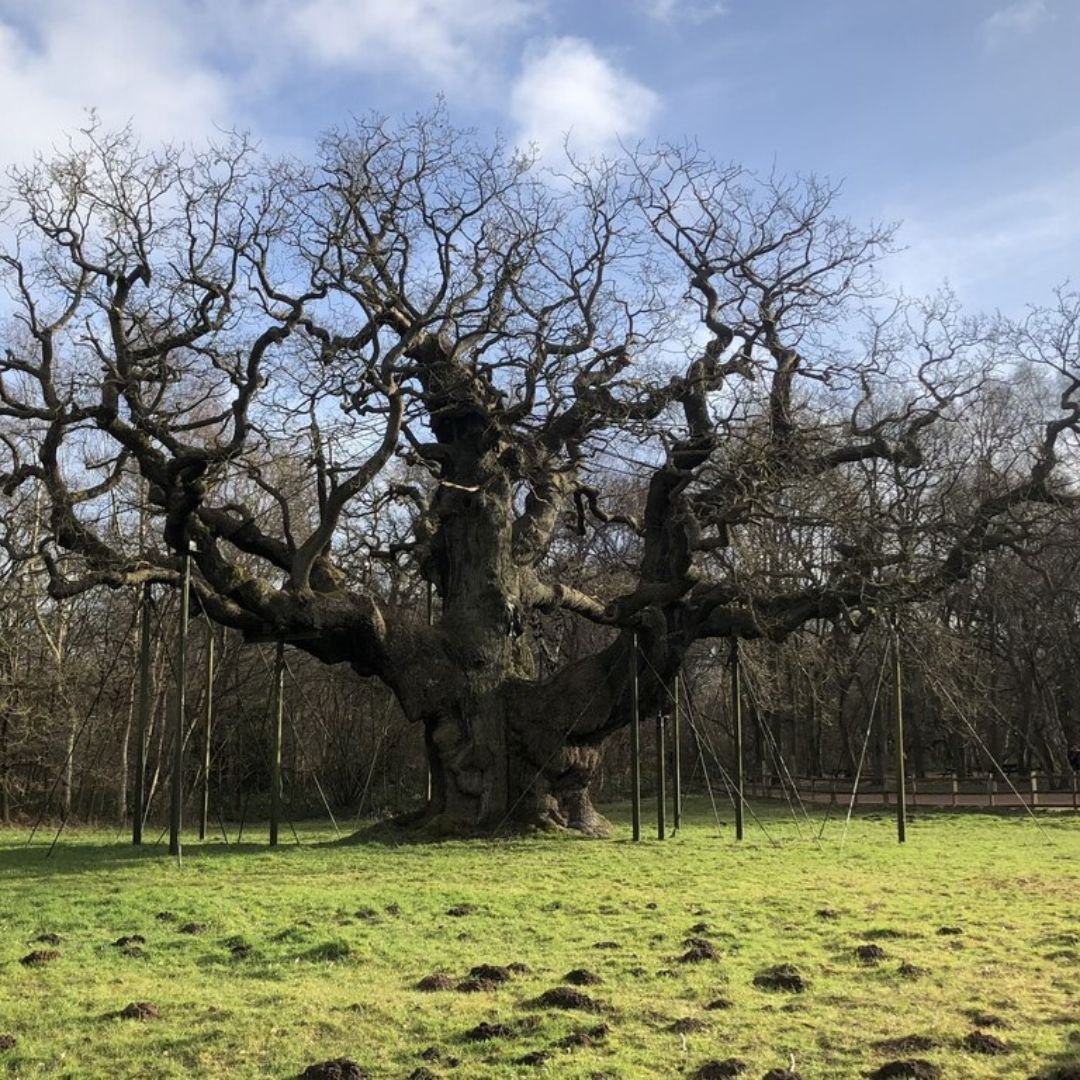
Despite its death, the Major Oak will not be felled.
It remains a natural monument within the Site of Special Scientific Interest in Nottinghamshire.
Management officials have stated that the tree will continue to stand at the heart of Sherwood as a monument for visitors to view, living on in the legend of Robin Hood and continuing to provide as much support to the forest's ecosystem in death as in life.
Conservationists emphasise that the lessons learned from the Major Oak are far from wasted.
The extensive research into its root systems and soil health has provided scientists with invaluable data that will help protect other ancient and veteran trees across the UK and the world.
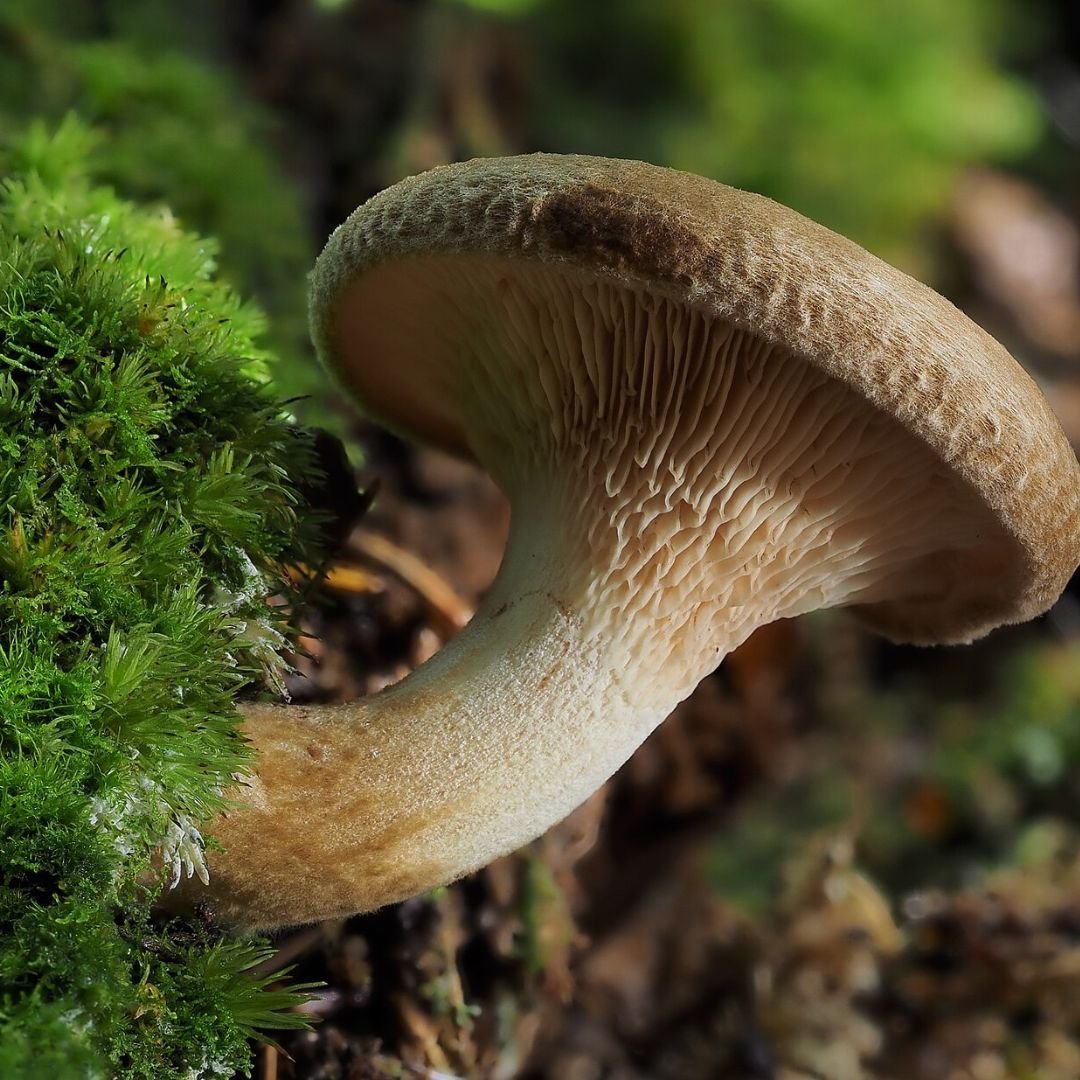
As the oak begins its new role as deadwood, it’s now becoming a habitat for fungi, insects, and wildlife, continuing to anchor the forest it has presided over for a millennium.
Dame Judi, patron and ambassador for the Woodland Trust, said: "The Major Oak has provided inspiration for countless stories, poems, paintings and people for more than 1,000 years - all the while itself teeming with life and providing a home to an enormous range of wildlife.
"I was lucky enough to plant an oak sapling from Sherwood Forest with Woodland Trust CEO Darren Moorcroft in my garden recently.
“It has a special place alongside the cutting from the Sycamore Gap Tree.
"I hope everyone who has been inspired by the Major Oak or another ancient tree reaches out to their MP and asks them to improve legal protections for these iconic and vital elements of our national landscape."
Reacting to the news online, another person added: “Very sad news. I hope plenty of its acorns were harvested and planted and have grown into impressive trees themselves.”
Reacting to the news online, another person added: “Very sad news. I hope plenty of its acorns were harvested and planted and have grown into impressive trees themselves.”

If you enjoyed this article, please follow Exploring GB for more!