How the RRS Discovery Survived Two Years Frozen in Antarctica
In 1902, the crew of the RRS Discovery survived 2 years trapped in polar ice, living in total isolation while the hull fought off millions of tons of crushing pressure.
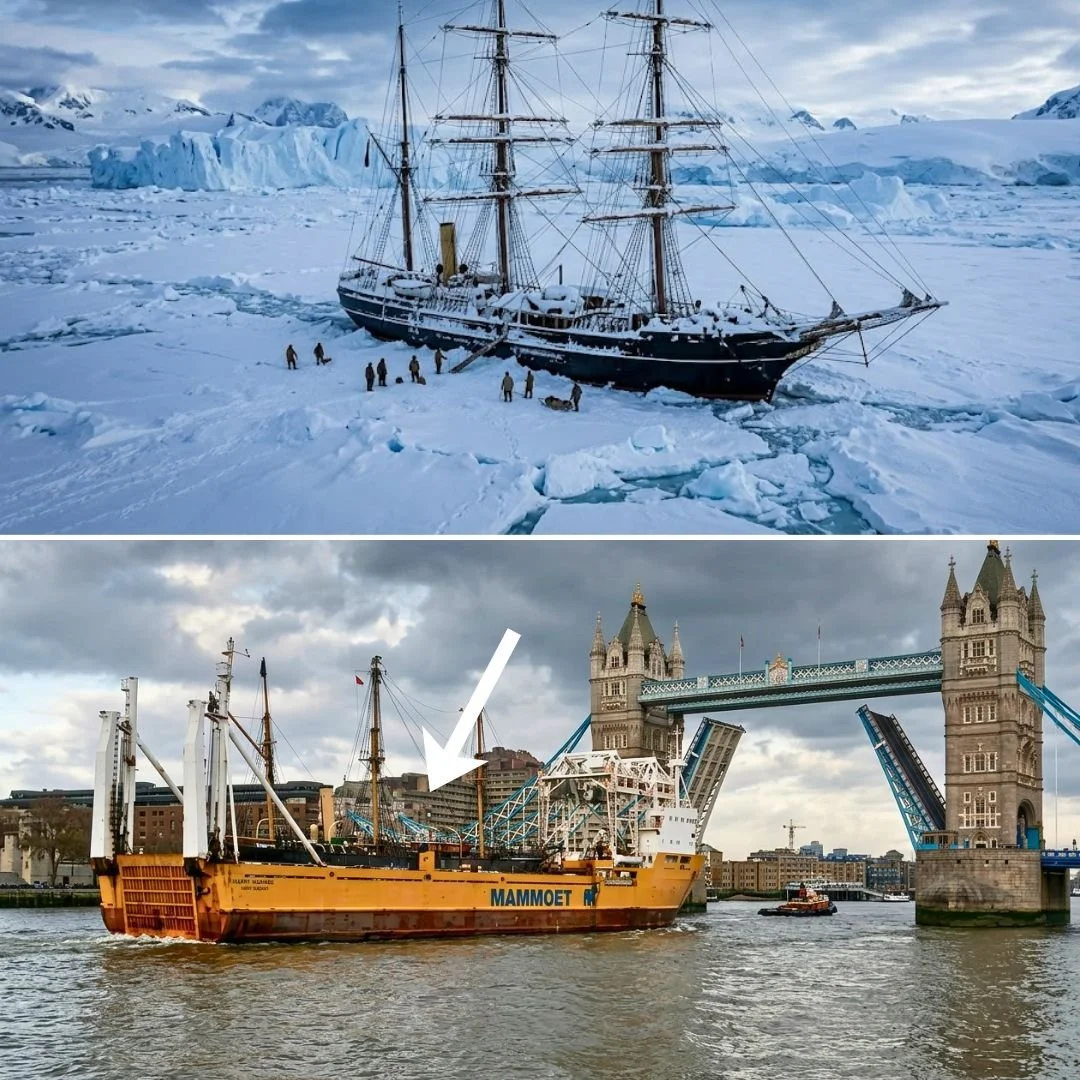
Decades later, the historic ship faced a new threat: demolition.
In 1986, it was saved from the scrap heap, loaded onto a heavy-lift ship, and towed right through London’s Tower Bridge to Dundee, Scotland where it remains as a museum today.
This is her incredible true story.
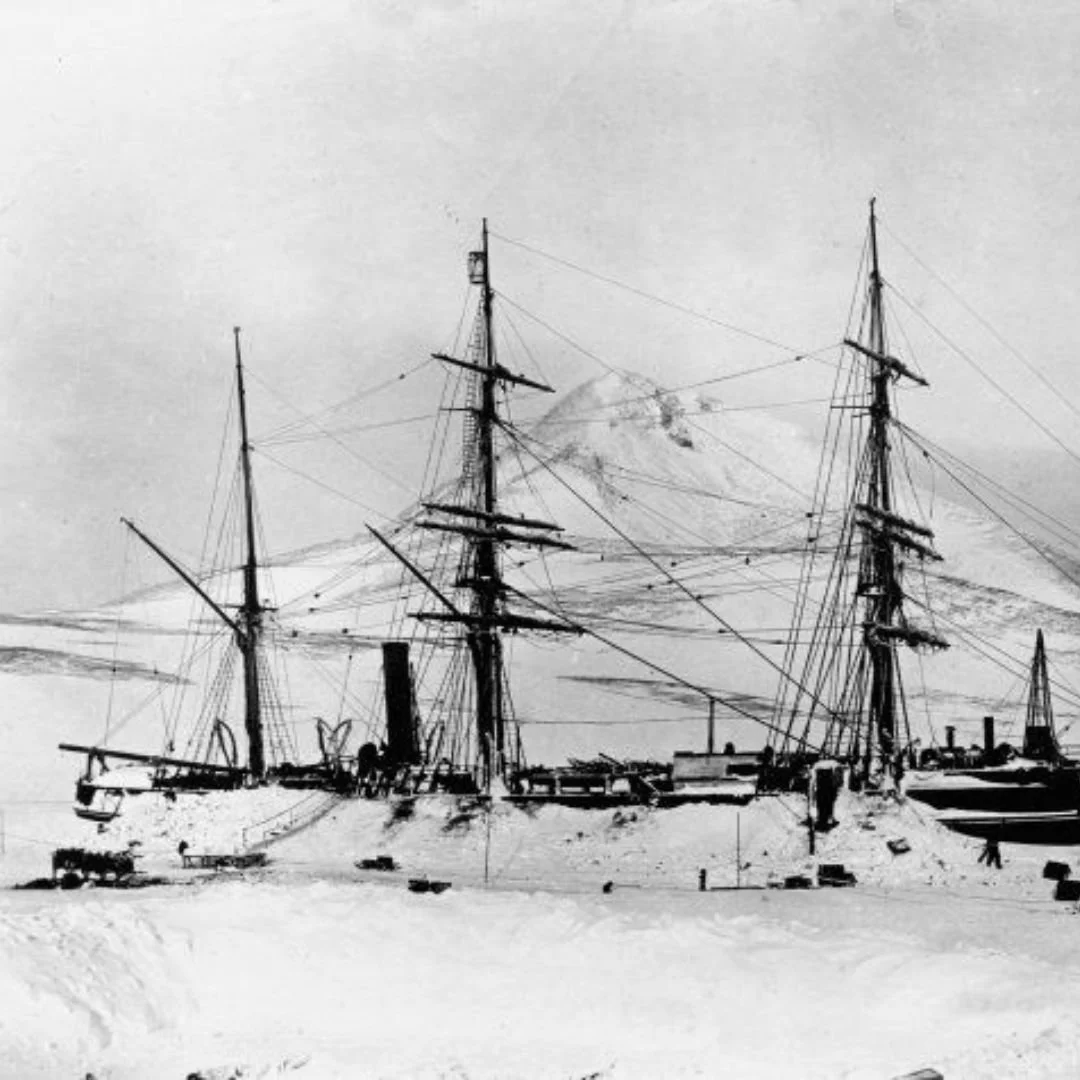
When the RRSDiscovery slipped down the slipways of Dundee, Scotland in 1901, she was built for a singular, brutal purpose.
She was engineered to withstand the crushing, unpredictable vice of the Antarctic pack ice.
She would have her design tested much sooner, and for much longer, than anyone on board could have ever anticipated.
Led by a young, ambitious Commander Robert Falcon Scott, the British National Antarctic Expedition set out to map the unknown southern continent and conduct groundbreaking scientific research.
Among the crew were men who would become legends of the Heroic Age of Antarctic Exploration, including Ernest Shackleton and Edward Wilson.
But by early 1902, the expedition's floating laboratory had become something else entirely: a permanent, frozen outpost.
To understand how the Discovery survived her ordeal, you have to look at her specialised construction.
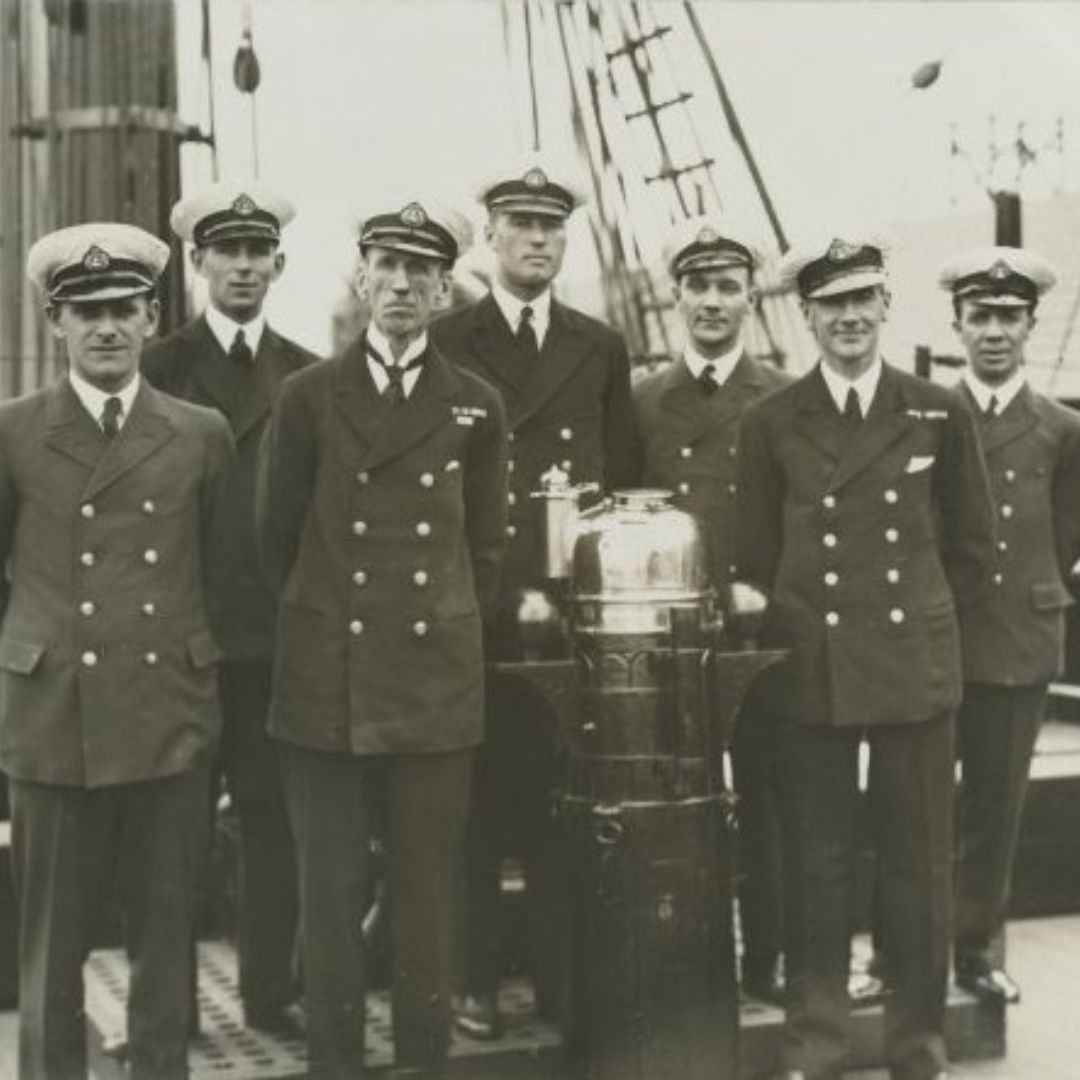
She was the first traditional wooden ship built in Britain specifically for scientific research in polar waters.
Her massive hull was made of solid wood up to eleven inches thick, heavily reinforced to absorb the tremendous lateral forces of freezing pack ice.
Furthermore, she was constructed virtually without iron near the magnetic observatory on board, utilising brass and copper instead so scientists could get accurate compass readings.
Mirroring the design of Fridtjof Nansen’s famous polar ship, her hull was contoured so that when the ice squeezed her, the ship would theoretically be pushed up out of the water rather than being crushed flat.
In early 1902, Scott steered the Discovery into McMurdo Sound, choosing a sheltered spot off Hut Point to set up their winter quarters.
It was a historic anchorage, but a devastatingly cold one. As the brief Antarctic summer turned sharply to winter, the sea ice closed in like a zipper, trapping the ship firmly in place.
For the next two years, the Discovery was no longer a ship; she functioned as a wooden island.
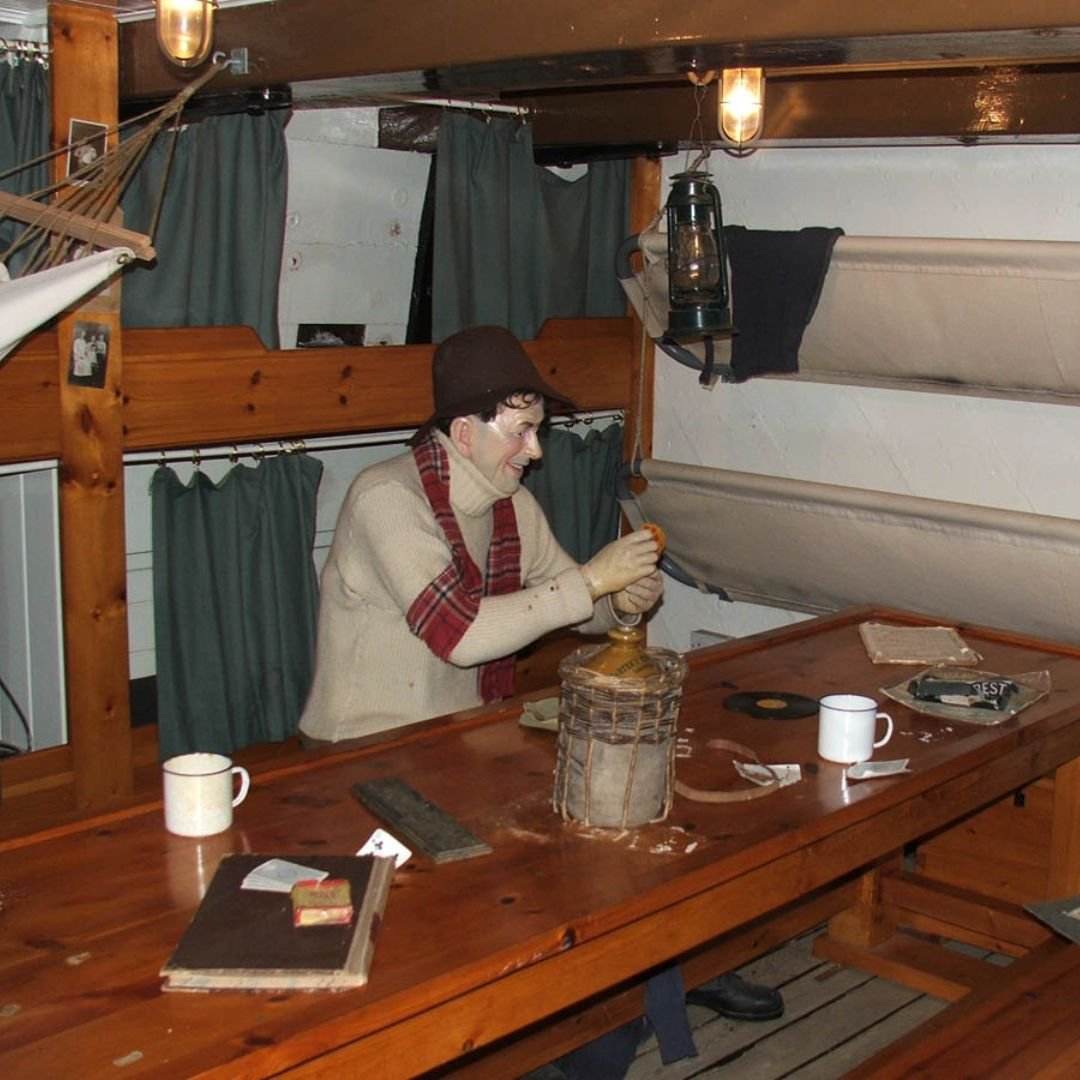
The crew quickly adapted to their new environment. To keep out the howling winds and sub-zero temperatures, they piled snow high against the ship's sides for insulation and built a large wooden hut on the shore nearby for storage and emergency shelter.
The sails were packed away, and a makeshift canvas roof was erected over the deck to create a sheltered walkway.
Inside, life took on a strict, militaristic routine to stave off cabin fever and depression during the months of absolute polar darkness.
Scott insisted on regular scientific readings, meteorological tracking, and maintenance. To keep spirits high, they published a humorous shipboard newspaper, The South Polar Times, and staged theatrical plays.
It was during this initial period of captivity that Scott, Shackleton, and Wilson launched their famous southern sledge journey, pushing further south toward the Pole than anyone in history before severe scurvy and starvation forced them back.
By January 1904, the British Admiralty back home was growing increasingly panicked.
The Discovery had missed her scheduled return, and a relief expedition sent in 1903 had reported her still hopelessly stuck.
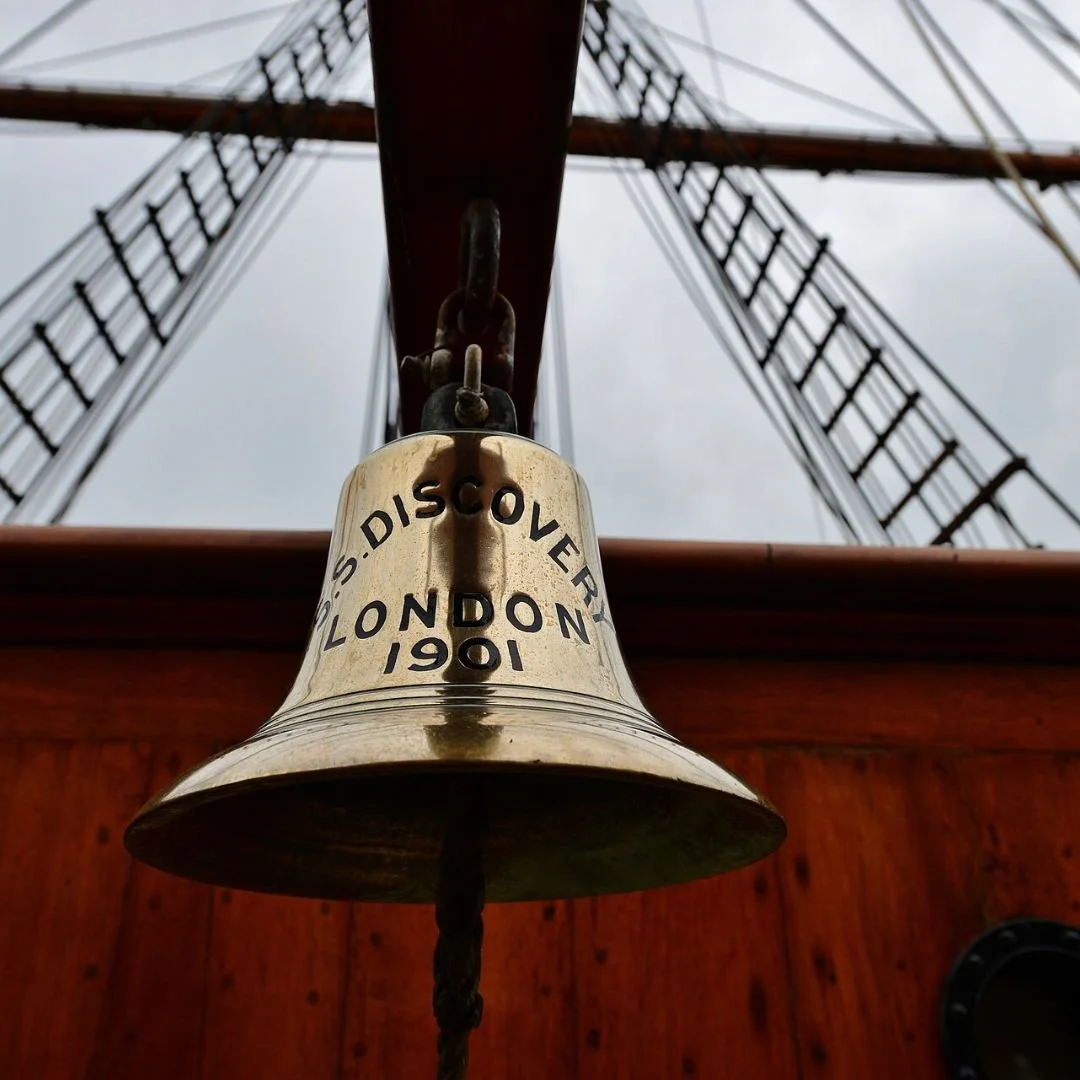
Fearing a repeat of the tragic Franklin lost Arctic expedition, the government ordered two relief ships, the Morning and the Terra Nova, south with an ultimatum: if the Discovery could not be freed, she was to be abandoned.
Scott was horrified at the prospect of losing his ship.
When the relief ships arrived, they found 20 miles of solid, thick ice still separating the Discovery from open water, and a frantic race against time began.
The crews tried everything. They used giant ice saws to cut channels manually, but the ice froze back together almost as fast as they could cut it.
They tried blasting their way out with gunpowder, which produced loud bangs but did little to shatter the miles of stubborn sea ice.
Then, nature finally relented.
In mid February, a massive swell rolled through McMurdo Sound, fracturing the weakened ice sheet.
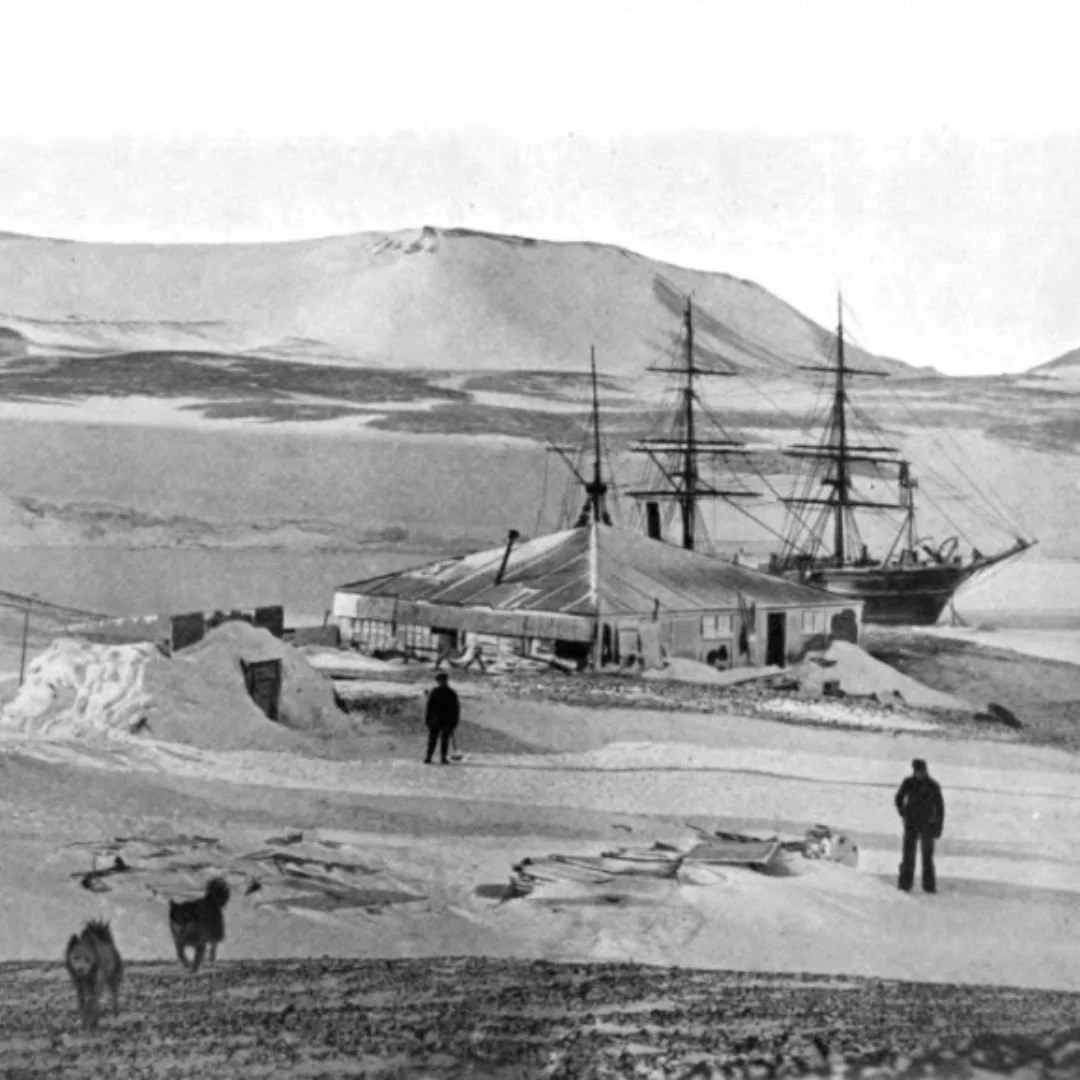
On February 16, 1904, a final series of controlled explosive charges shattered the remaining ice around the ship's stern.
With a groan of wood and the roar of her steam engine, the RRS Discovery broke free into open water after 24 straight months in the ice.
Despite being trapped for two years, the expedition was an unparalleled success. The crew brought back massive amounts of meteorological, magnetic, and zoological data, establishing McMurdo Sound as the primary gateway for future polar exploration.
By the late 1970s, despite its legendary polar history, the RRS Discovery was languishing in London and had fallen into a serious state of dilapidation.
Stripped of its purpose and facing the genuine threat of being broken up for scrap, the historic vessel was ultimately rescued from demolition when the Maritime Trust stepped in to fund its initial salvation.
The dramatic climax of its rescue came in the spring of 1986: loaded onto the deck of a massive, semi-submersible heavy-lift ship, Discovery made a triumphant transit right through London’s opened Tower Bridge to begin its long journey home.
Carried all the way up the coast to Dundee, Scotland - the very city where her heavily reinforced wooden hull had been constructed 85 years prior - the ship was met by thousands of cheering locals lining the River Tay.
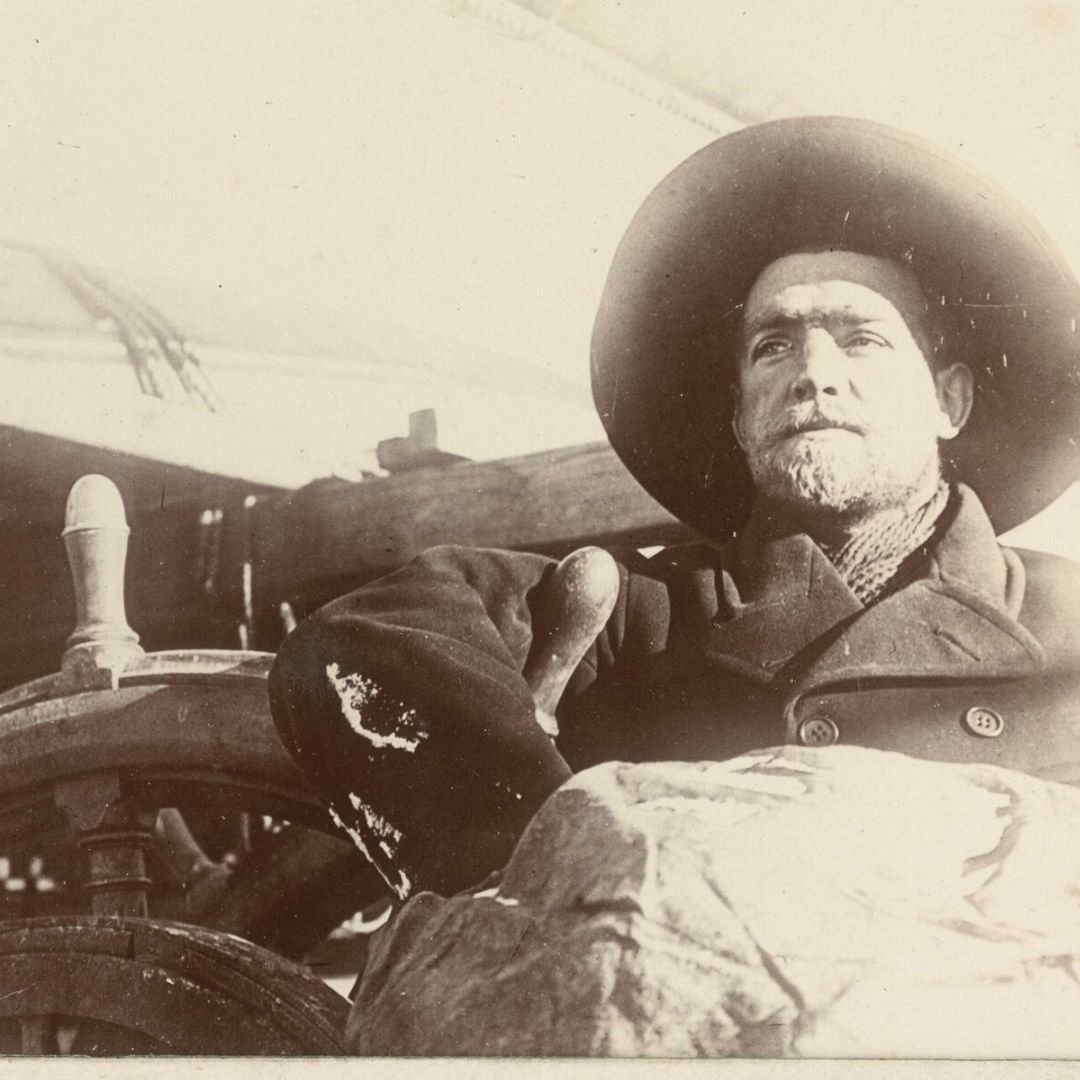
This critical move not only saved an irreplaceable piece of maritime history from the shipbreaker's yard but also laid the foundation for the extensive restoration that allows her to stand proudly today as a world-class museum centrepiece.
Today, she rests proudly as a museum ship - and we would highly recommend a visit!.
If you enjoyed this blog post, please follow Exploring GB on Facebook for more!
Thank you for visiting Exploring GB, we hope to see you here again soon :)