The 3,400 Year-Old Obelisk In London (Cleopatra's Needle)
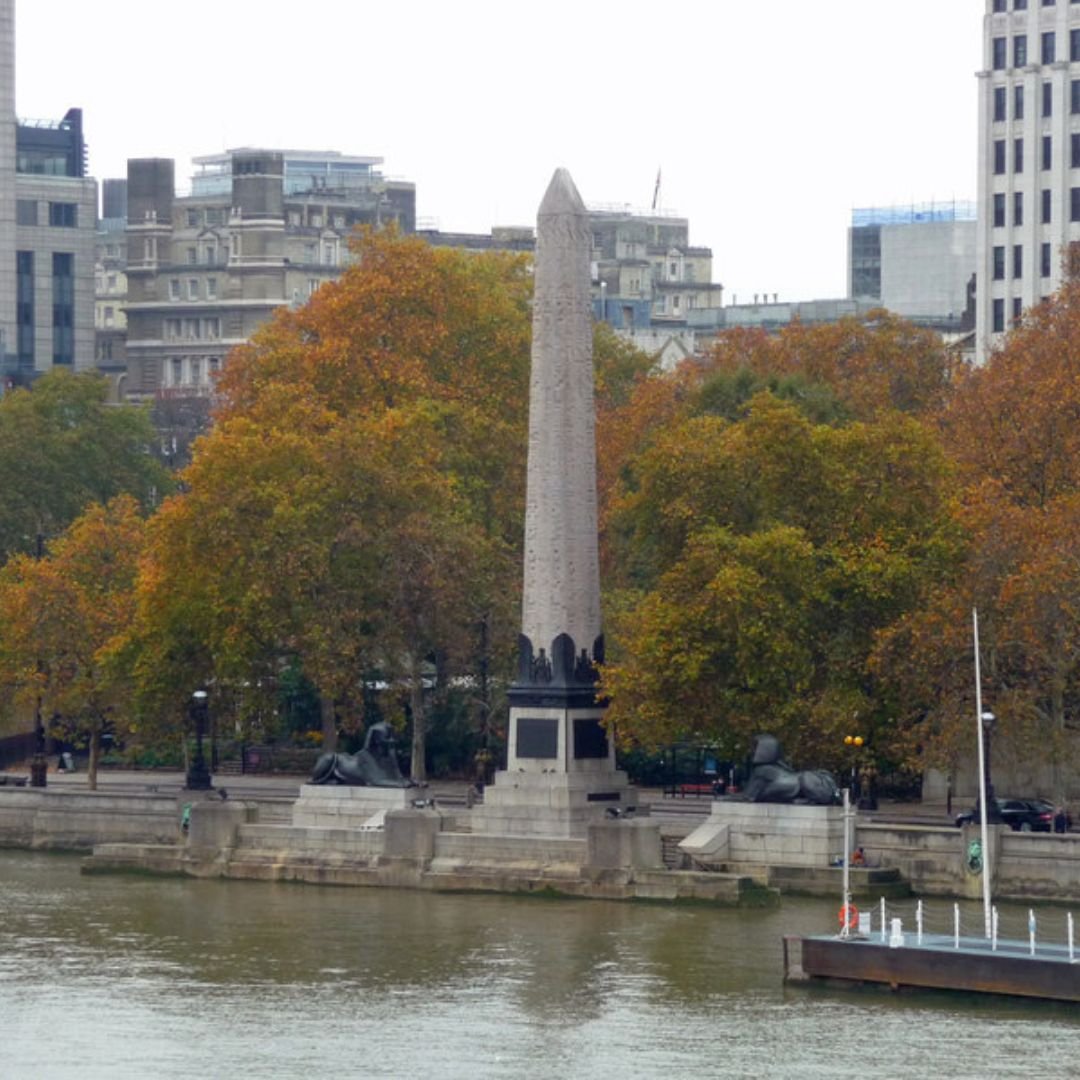
Cleopatra’s Needle, a 3,400 year-old artefact in London, was carved around 1450 BC for Pharaoh Thutmose III.
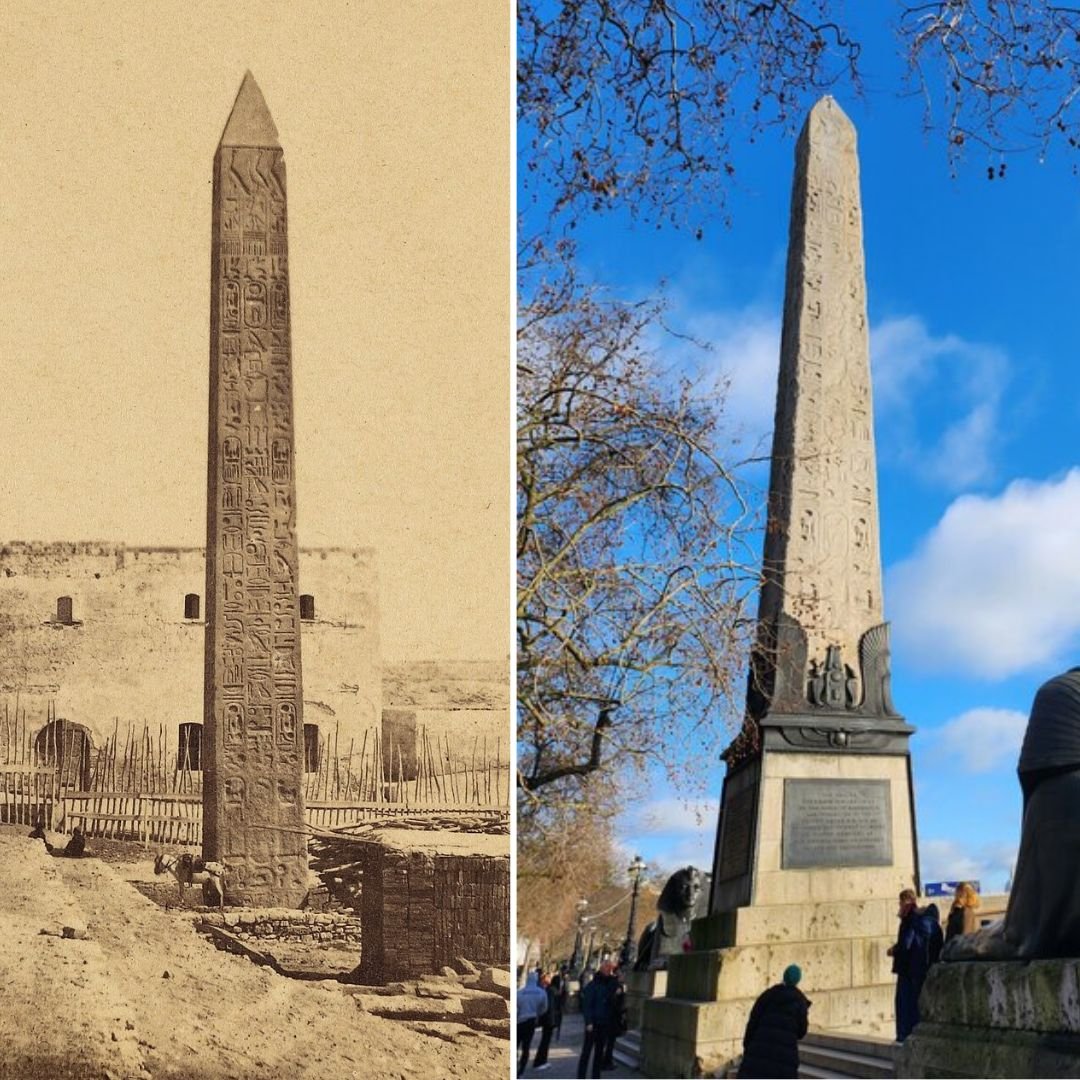
The ancient structure was remarkably preserved thanks to being buried under Egyptian sand for 2,000 years.
Gifted to Britain in 1819, the 200-ton stone wasn't moved until 1877.
It left Egypt for Britain in a custom-built vessel, but during a severe storm, the monument's floating capsule had to be cut loose.
It was lost at sea for four days, an ordeal that claimed the lives of six rescue sailors, before the obelisk was successfully recovered and erected on the Victoria Embankment in 1878.
This, is its incredible story.
The story of the obelisk begins around 1450 BC in the ancient city of Heliopolis, near modern day Cairo.
Carved from a single block of pink granite quarried at Syene, the monument was erected on the orders of Pharaoh Thutmose III.
Its four faces were carved with hieroglyphs praising his reign and dedicating the structure to the sun god, Ra.
Two centuries later, Ramesses the Great added his own military triumphs to the stone.
In 12 BC, long after the pharaohs had faded, the Romans relocated the obelisk, along with its twin, which now stands in New York's Central Park, to Alexandria.
There, they were placed outside the Caesareum, a grand temple built to honour Julius Caesar and Mark Antony.
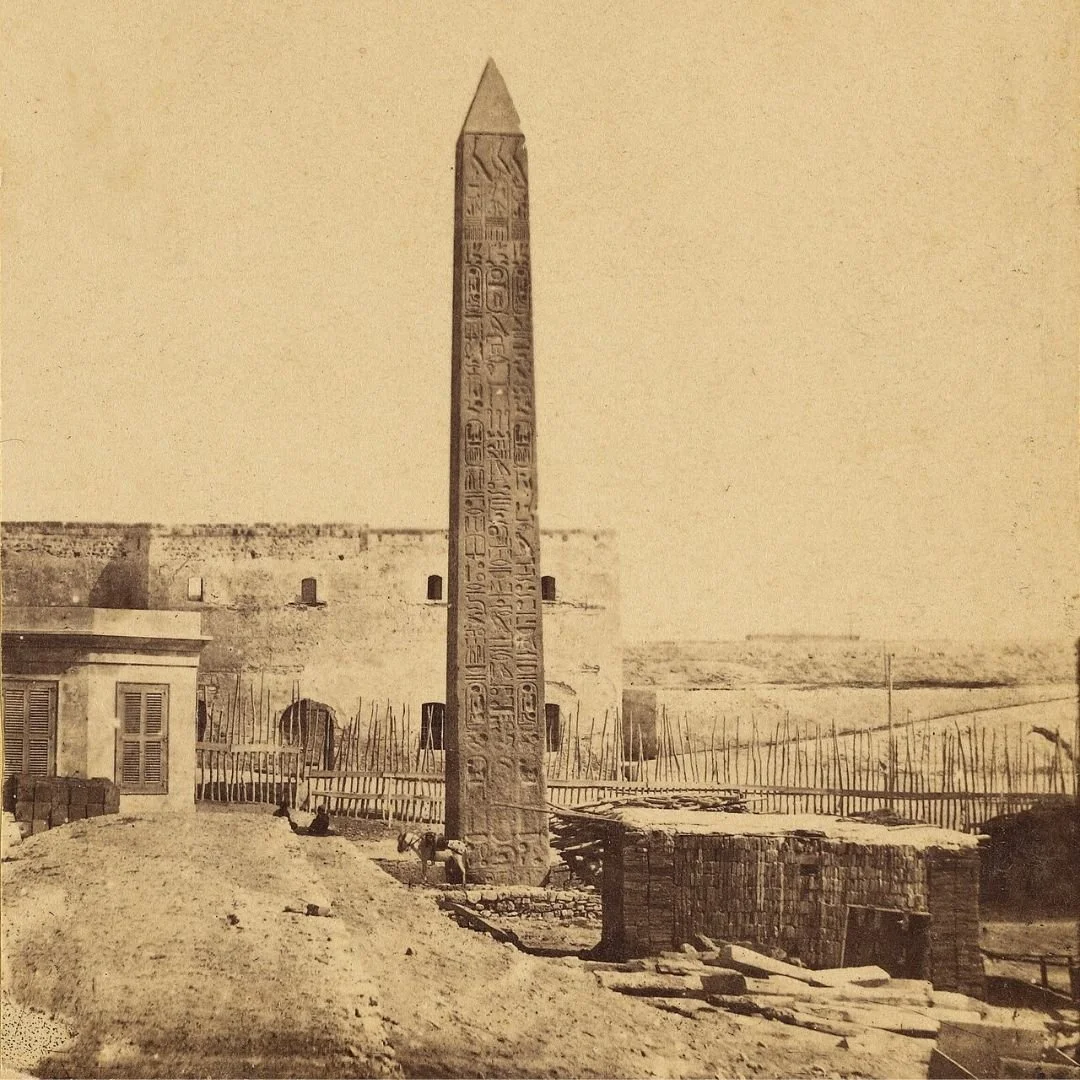
Eventually, the monument toppled over into the sand.
This accidental burial ironically preserved its ancient carvings from the worst of the elements for nearly two millennia.
In 1819, Muhammad Ali, the Viceroy of Egypt, presented the prostrate obelisk to the British Prince Regent as a diplomatic gift.
It was intended to commemorate the British victories over Napoleon’s forces at the Battle of the Nile and the Battle of Alexandria.
However, the British government, paralysed by the sheer logistical nightmare and immense cost of moving a 200-ton monolith, politely accepted the gesture but left the stone buried in the Egyptian sand for nearly 60 years.
The breakthrough came in the late 1870s when the distinguished surgeon and philanthropist Sir William James Erasmus Wilson stepped forward to personally fund the transport with a fortune of ten thousand pounds.
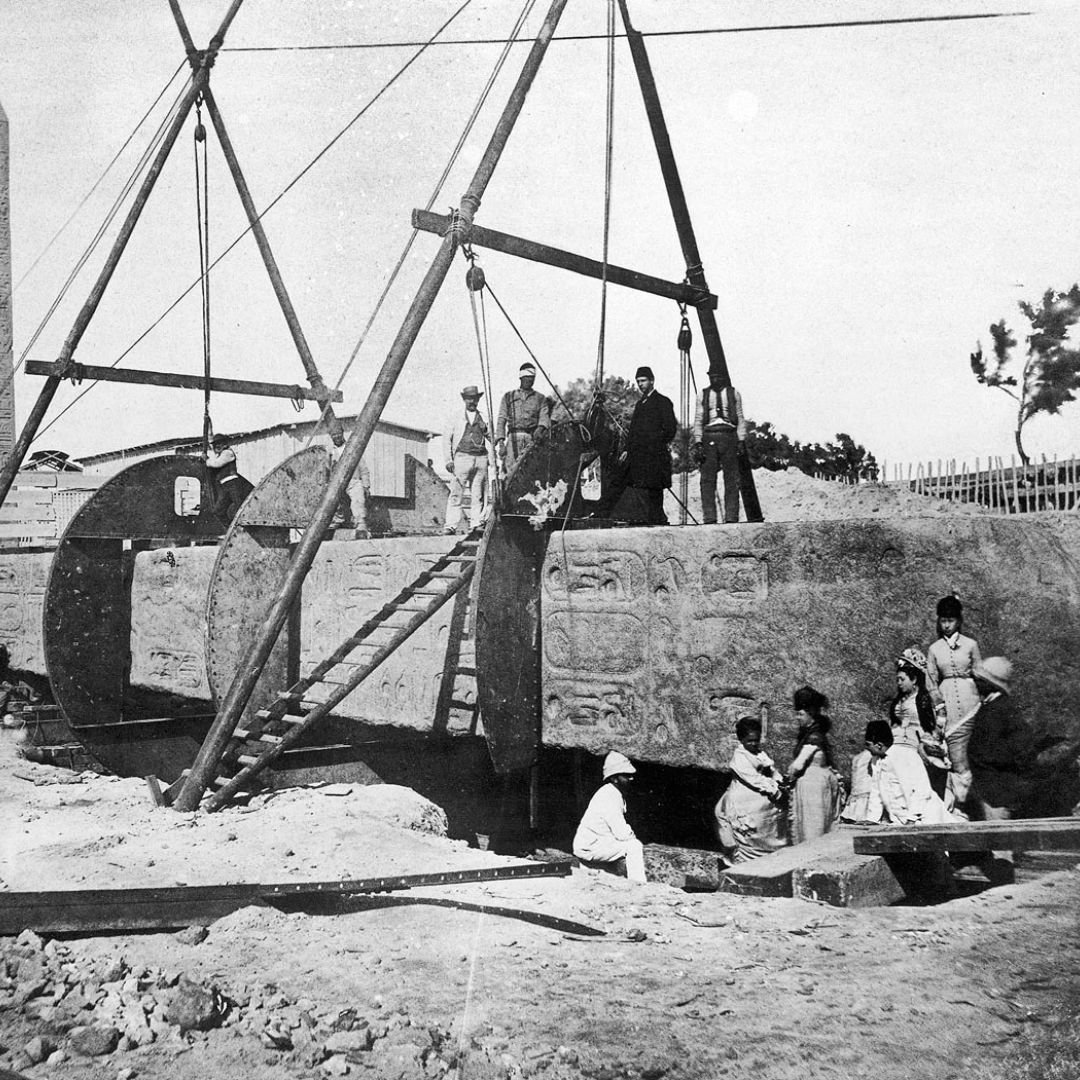
To solve the transport crisis, consulting engineer John Dixon devised a radically unconventional plan.
Rather than trying to hoist the colossal stone onto a standard cargo ship, Dixon decided to build a ship around the stone.
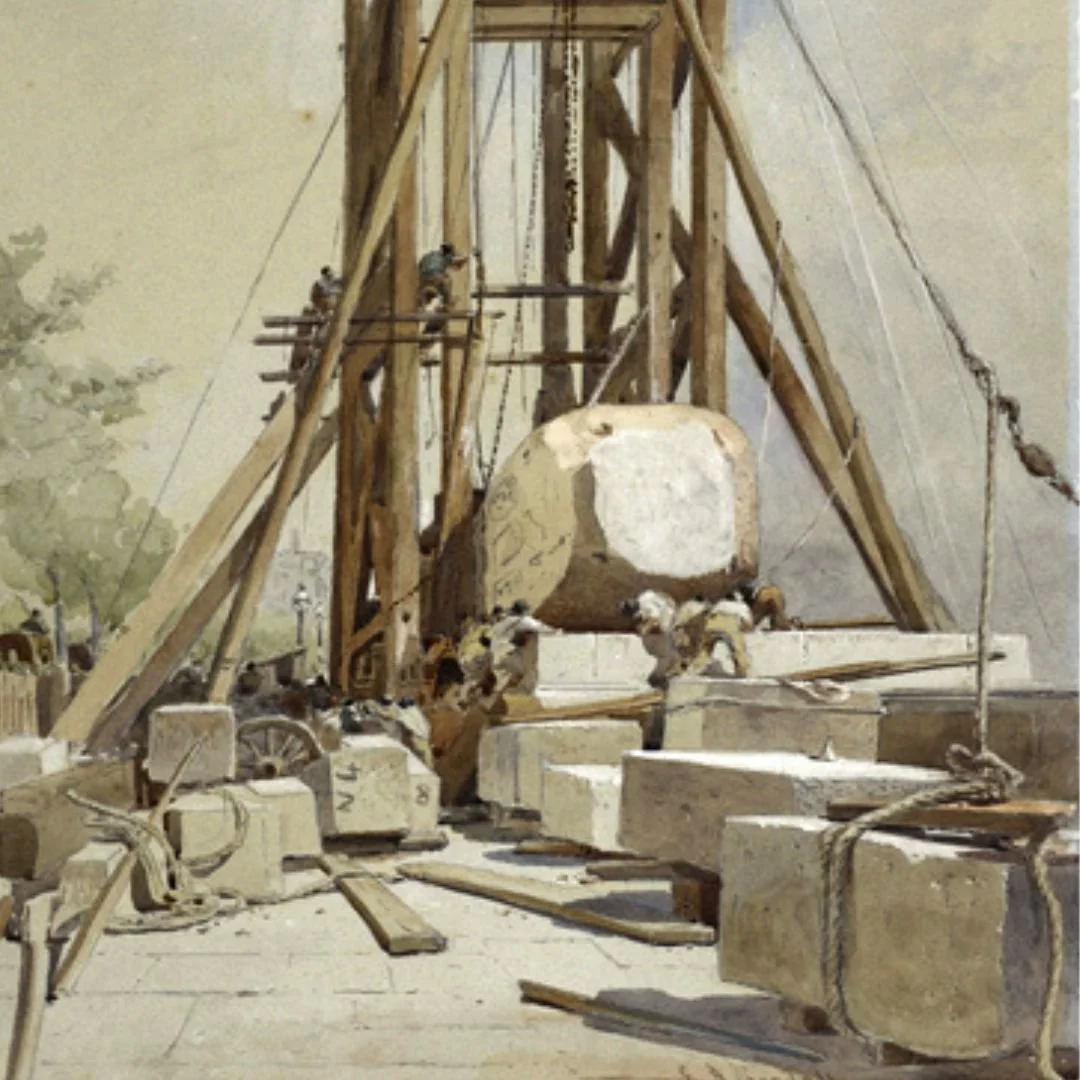
The Thames Ironworks in London manufactured a giant, cigar-shaped iron cylinder measuring 92 feet long and 15 feet in diameter.
Shipped to Egypt in sections, the pieces were meticulously reassembled directly over the buried obelisk on the Alexandria beach.
The interior was outfitted with timber-lined bulkheads to cradle the ancient granite, while the exterior was fitted with a small vertical stem and stern, a rudder, bilge keels, a mast for balancing sails, and a narrow deckhouse.
Named simply the Cleopatra, this bizarre hybrid vessel was designed to be towed across the seas.
After a rocky start where a hidden rock punctured the hull during its initial rollout into the surf, the cylinder was successfully patched, pumped dry, and towed out to deep water to meet its tugboat, the steamship Olga.
On September 21, 1877, the strange convoy finally began its long journey to England.
The voyage through the Mediterranean passed without major incident, but as the Olga and its heavy, rolling shadow entered the notorious waters of the Bay of Biscay off the coast of France, disaster struck.
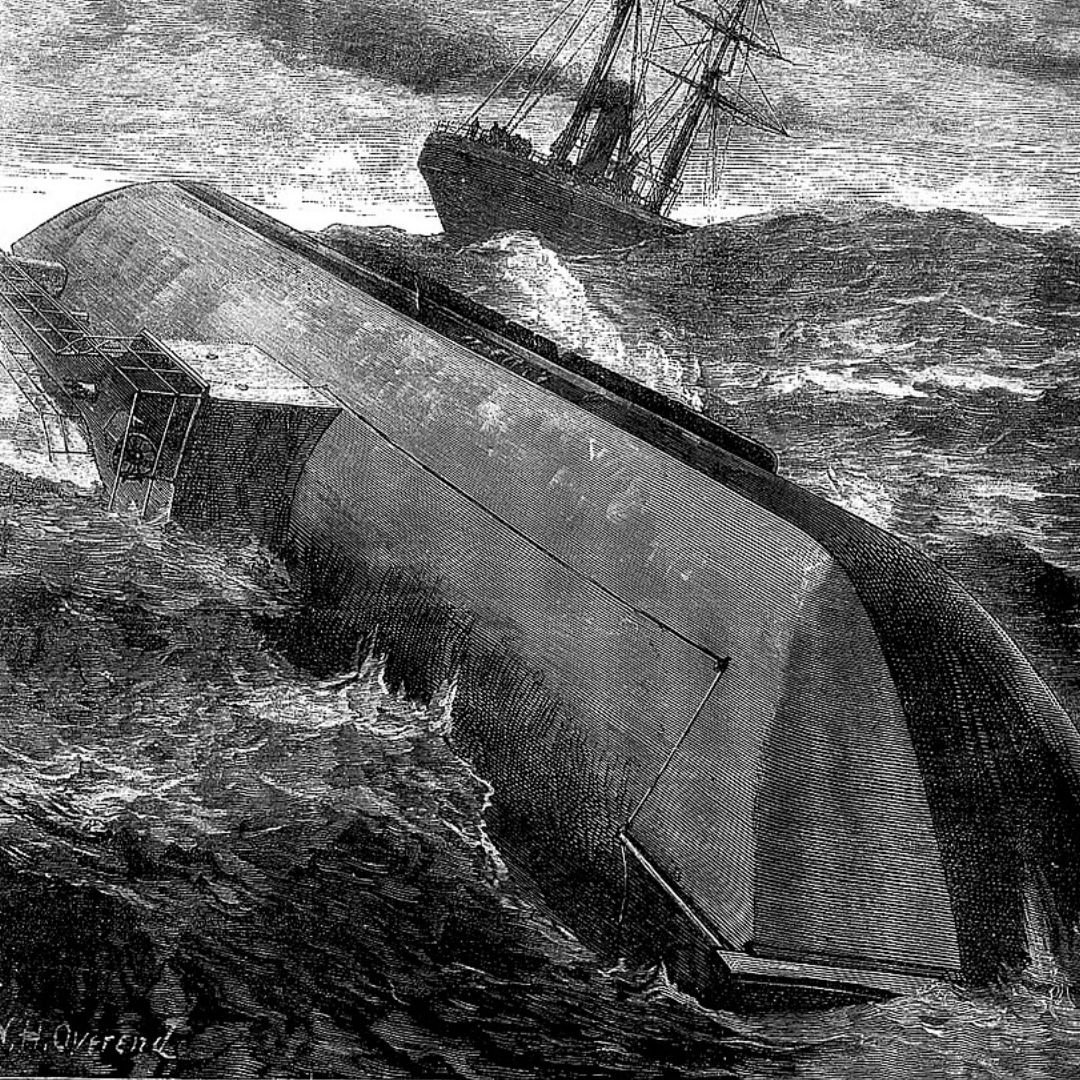
On October 14, 1877 a ferocious storm transformed the bay into a churning wall of white water.
The Cleopatra, lacking the stability of a traditional hull, began to roll uncontrollably, threatening to capsize and drag the Olga down into the abyss with her.
Believing the obelisk ship was on the verge of sinking, the captain of the Olga ordered a rescue boat to retrieve the Cleopatra’s crew.
Six volunteer sailors, William Askin, James Gardiner, Joseph Benbow, Michael Burns, William Donald, and William Patan, braved the mountain of waves.
Tragically, a massive swell swamped their small boat, and all six men were instantly lost to the sea.
The Olga eventually managed to pull alongside the cylinder to rescue the remaining five crewmen and their skipper.
Desperate to save his own ship, the captain ordered the towline cut, leaving the Cleopatrato drift alone into the tempest.
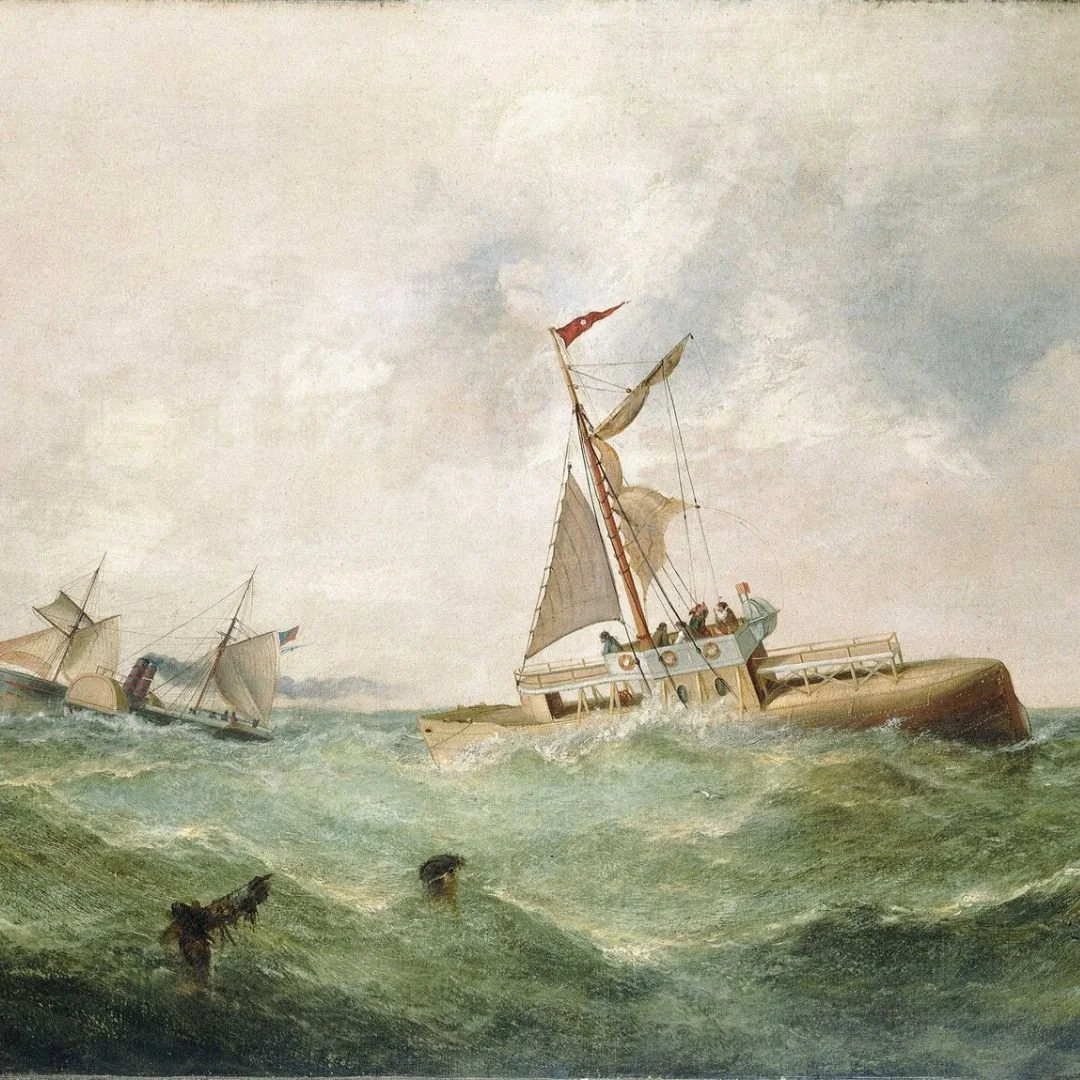
For days, the world assumed Cleopatra's Needle was lost forever at the bottom of the Atlantic.
But the iron cylinder proved remarkably resilient. Four days later, a Spanish trawler spotted the buff-coloured tube floating undamaged off the northern coast of Spain.
The cargo vessel Fitzmaurice intercepted the rogue craft and towed her safely into the harbour of Ferrol, Spain.
Once the salvage claims were settled, a powerful three funneled paddle tug named the Anglia was dispatched to finish the job.
The final leg of the journey was smooth, and on January 21, 1878 the Cleopatra arrived in the Thames estuary to the cheers of ecstatic crowds.
Schoolchildren in Gravesend were even given the day off to witness the historic arrival.
Debates immediately raged in Parliament and across London newspapers over where the ancient monument should stand.
Suggestions included St. James’s Park, the British Museum, and the grounds of Westminster.
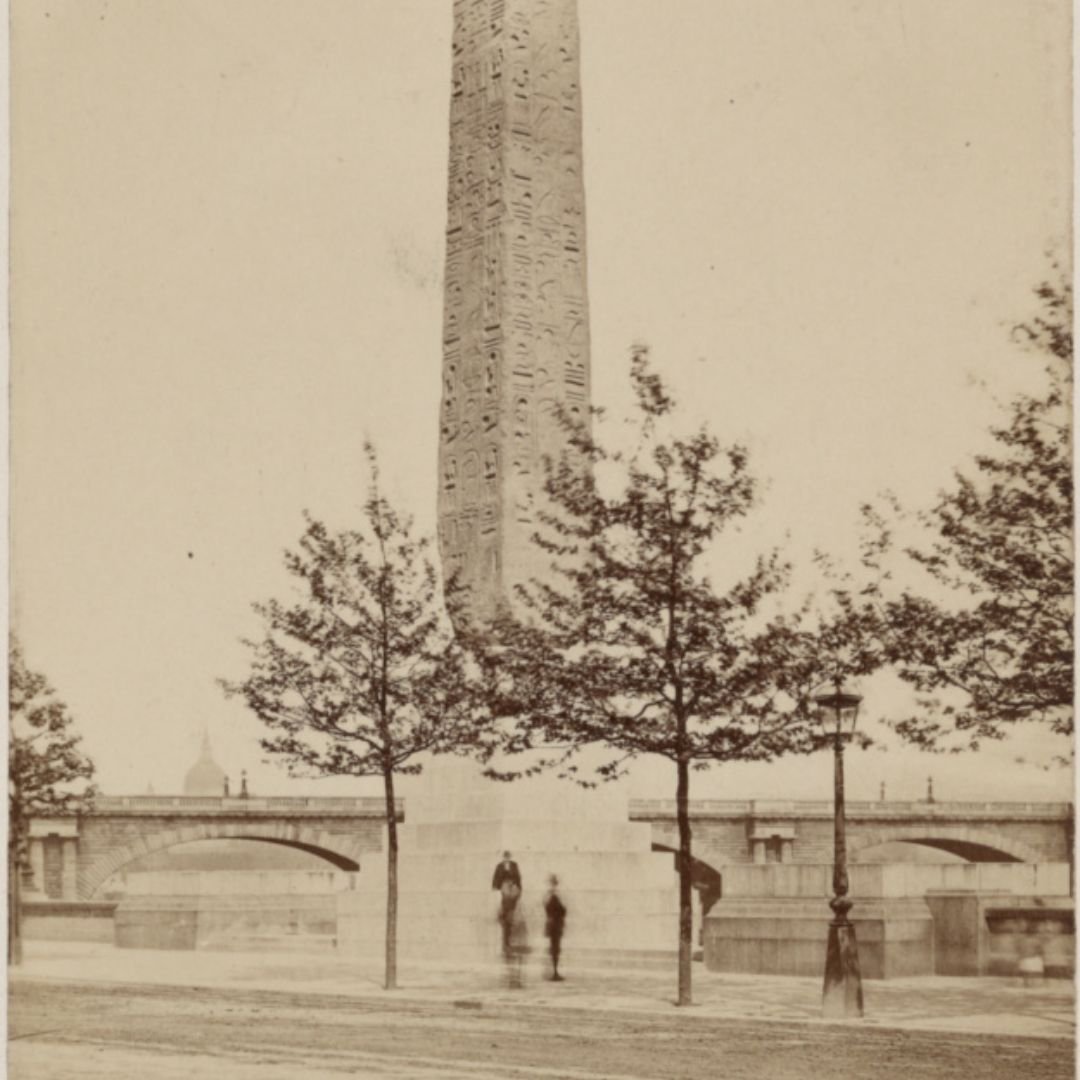
Ultimately, the newly constructed Victoria Embankment was selected for its stable foundation and prominent view of the river.
On September 12, 1878 the 3,400 year-old stone was hoisted upright into the London sky.
Hidden beneath its base, victorians placed a time capsule containing a collection of historical snapshots, including Bibles, coins, a baby's bottle, a map of London, and photographs of the twelve prettiest English women of the era.
Today, the obelisk is flanked by two large bronze sphinxes, which intentionally face the needle to guard it.
A bronze plaque on the base honours the six brave sailors who gave their lives to rescue the crew of the Cleopatra.
Surviving the sands of time, Roman restructuring, Atlantic storms, and even shrapnel damage from a German bomb during World War I, Cleopatra's Needle remains a monument to ancient heritage and Victorian ambition.
If you enjoyed this blog post, please follow Exploring GB on Facebook for more!
Thank you for visiting Exploring GB, we hope to see you back soon! :)