Saving Dartmoor by Destroying Its Ponies?
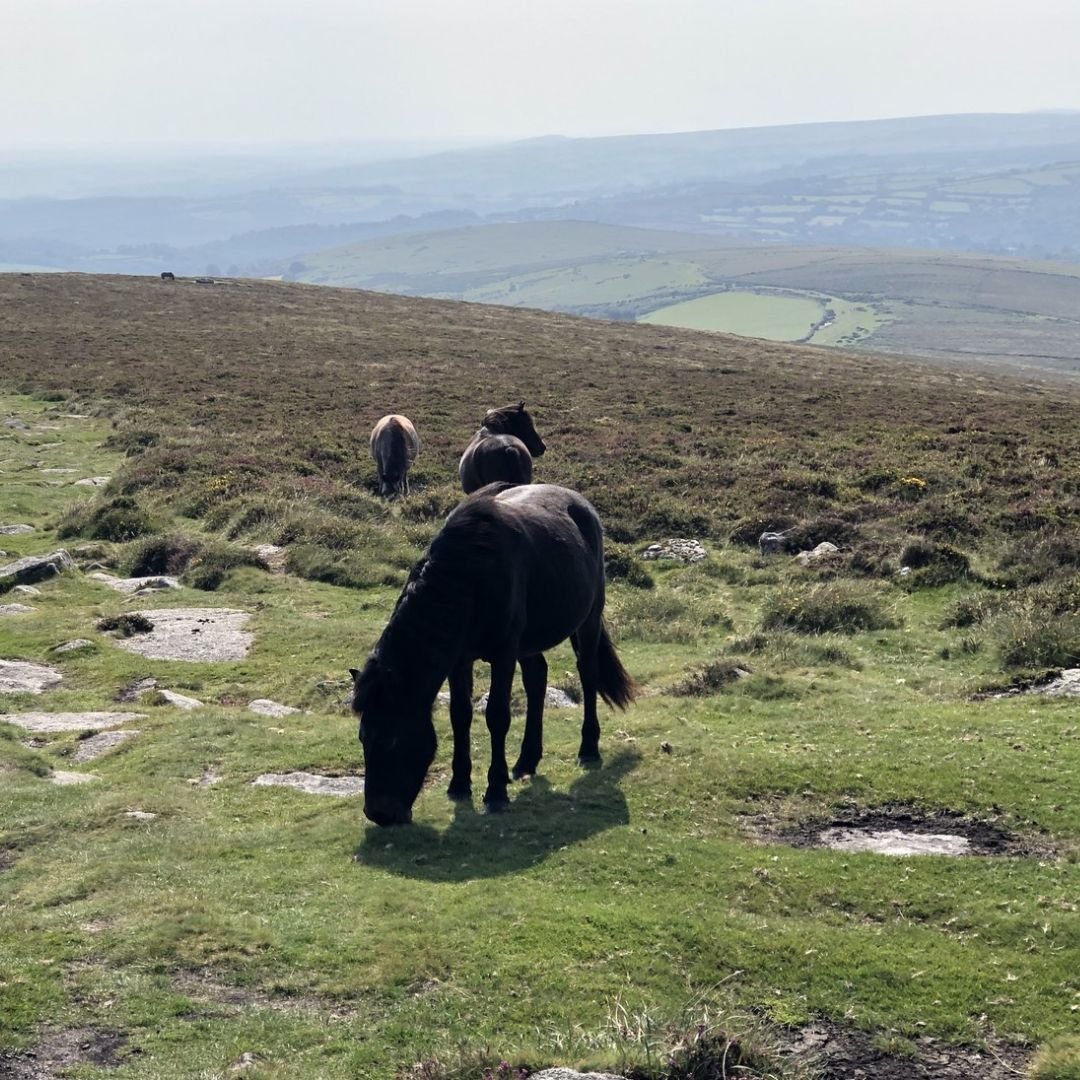
Dartmoor’s hill ponies have managed these commons since long before England even existed as a nation.
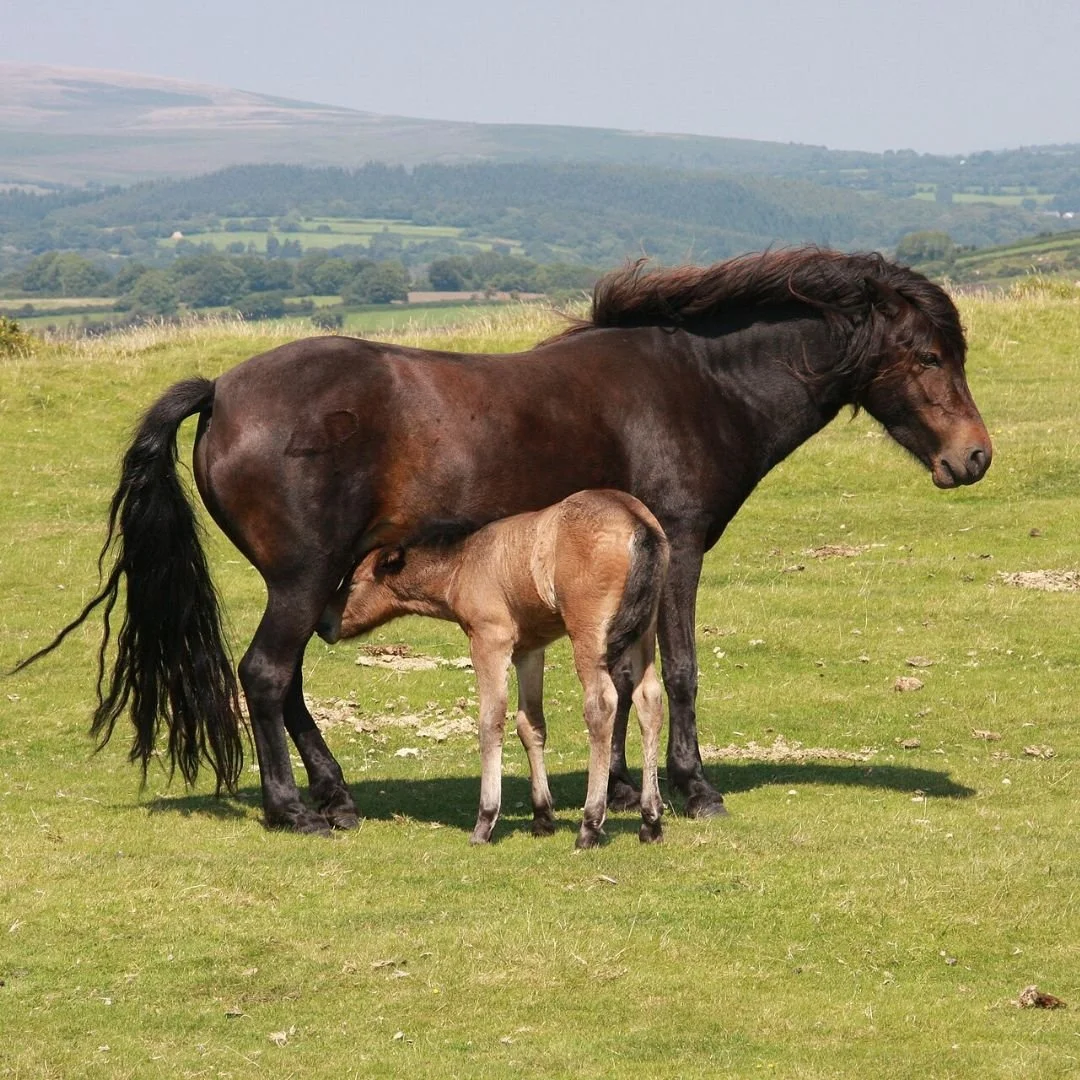
Yet today, their numbers have plummeted from six thousand a generation ago to fewer than a thousand, earning them an endangered status from the United Nations in 2023.
Naturally, the very agency tasked with safeguarding our environment has responded by enacting policies that will wipe out 90% of the remaining population.
Of course, they aren't calling it an extermination; there is a bureaucratic process for that.
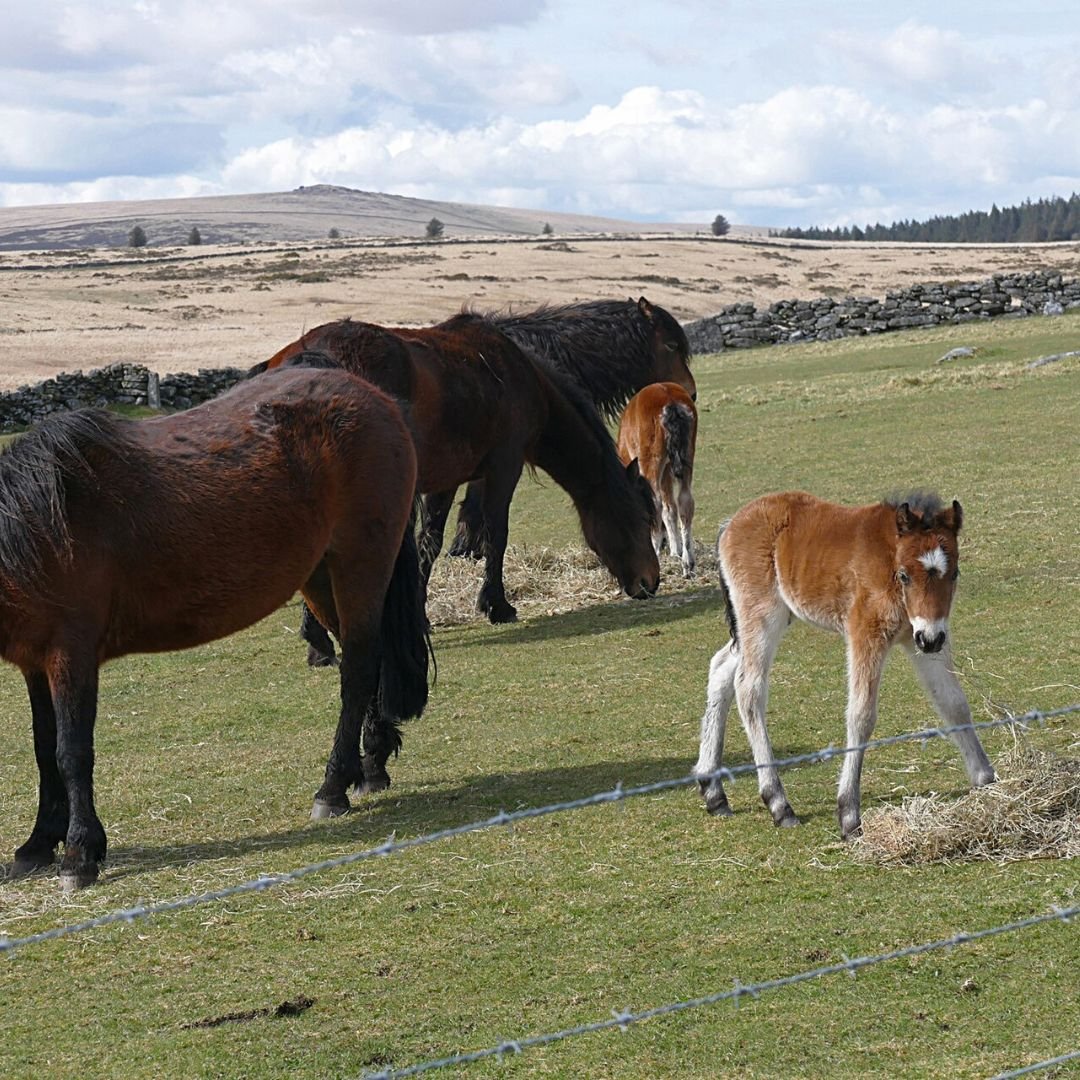
Under Natural England’s revised grazing agreements, semi wild ponies are now lumped into the exact same livestock quotas as cattle and sheep.
This forces local commoners into an impossible financial corner: use a rigid livestock slot on a wild pony with zero market value, or use it on a profitable lamb.
When forced onto a spreadsheet, the pony loses every time.
During the autumn roundups, with no alternative pastures available for thousands of unhandled animals, the slaughterhouse becomes the only destination left.
Natural England is quick to point out that they haven't officially ordered a cull.
Instead, they have simply constructed an administrative machine designed to produce a cull, flipped the switch, and forced the farmers to pull the trigger so the blame lands on someone else's hands.
It is remarkably clean.
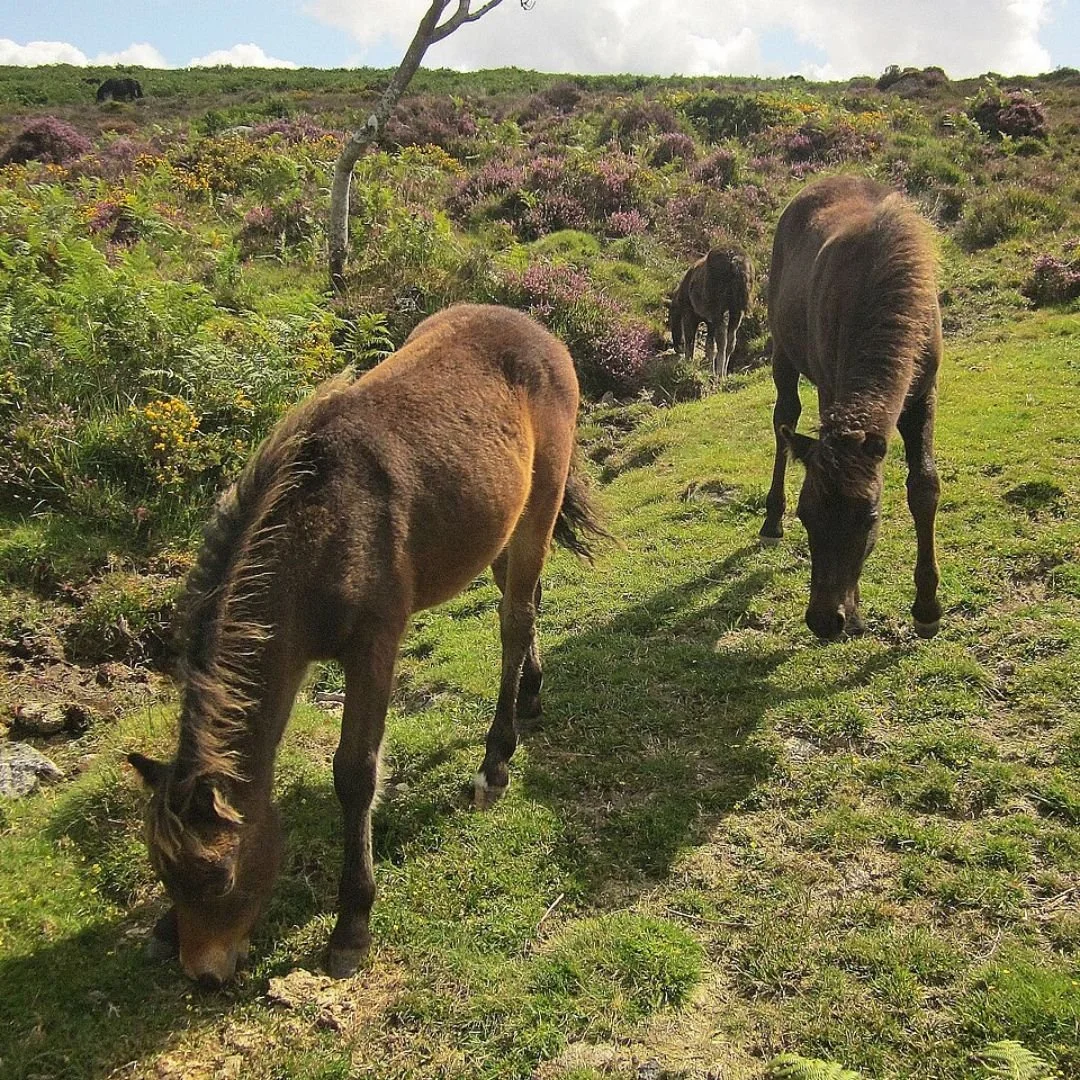
The ultimate irony lies in the ecology. The Dartmoor pony is nature's most effective weapon against Molinia, the aggressive, coarse purple grass currently choking the moor into a sterile, brown monoculture.
While sheep and cattle refuse to touch it, ponies eagerly clear it away, opening up the landscape for wildflowers, rare orchids, and vital insect populations.
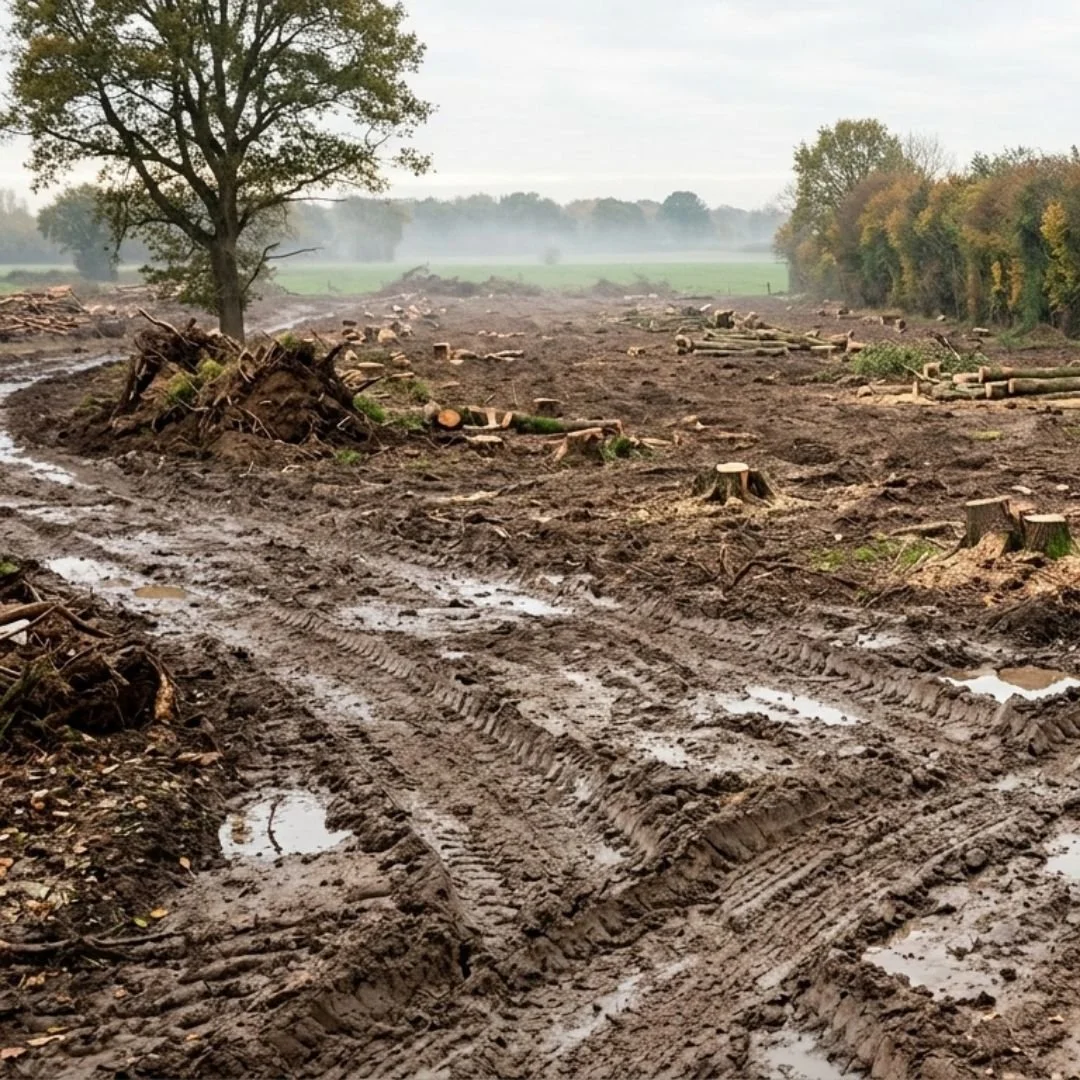
By removing the ponies, the moor will inevitably suffocate into the exact lifeless brushwood these contracts were supposedly designed to prevent.
The overarching conservation strategy is therefore a masterclass in bureaucratic logic: save the habitat by eradicating the very creature that keeps it alive.
There is, however, one final card left to play, one that sits entirely outside the cold mechanics of Natural England’s spreadsheets.
The ultimate irony of this bureaucratic erasure is that it is happening on land historically bound to the British Crown.
A massive portion of Dartmoor belongs to the Duchy of Cornwall, a private estate inherited by the Prince of Wales, while King Charles III himself remains the ultimate patron of the British countryside.
If anyone has the authority to throw a wrench into this administrative machine, it is the King.
As a lifelong, outspoken advocate for traditional farming and organic biodiversity, the King’s entire conservation philosophy directly contradicts the sterile, desk-bound mandates threatening the moor.
The King understands what the bureaucrats do not: that true conservation is a partnership between heritage livestock and the land.
By designating the Dartmoor hill pony as a structurally protected cultural asset, or by leveraging Duchy lands as a permanent sanctuary exempt from Natural England's counterproductive livestock quotas, the Crown could unilaterally veto this synthetic cull.
It would require a rare intervention, yes.
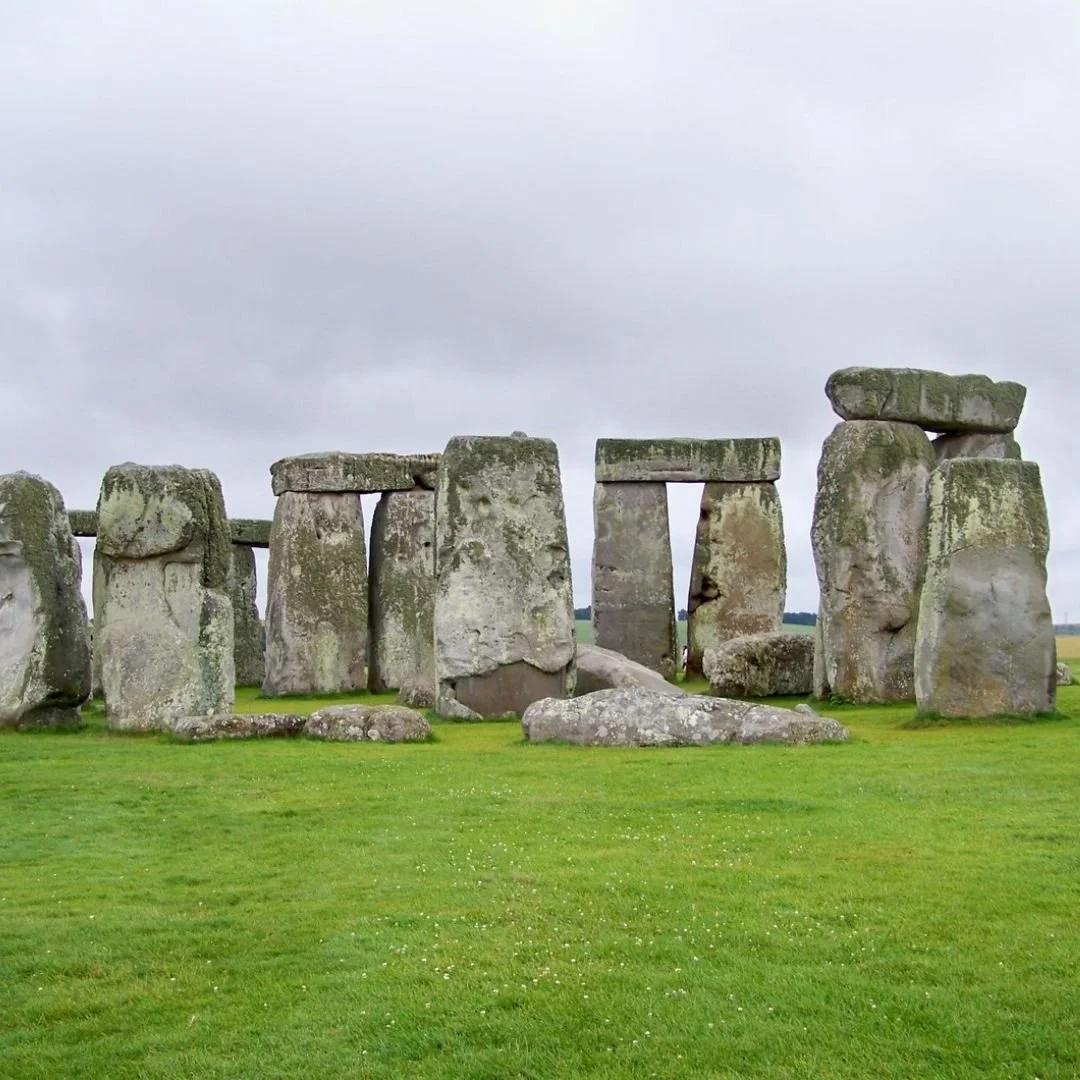
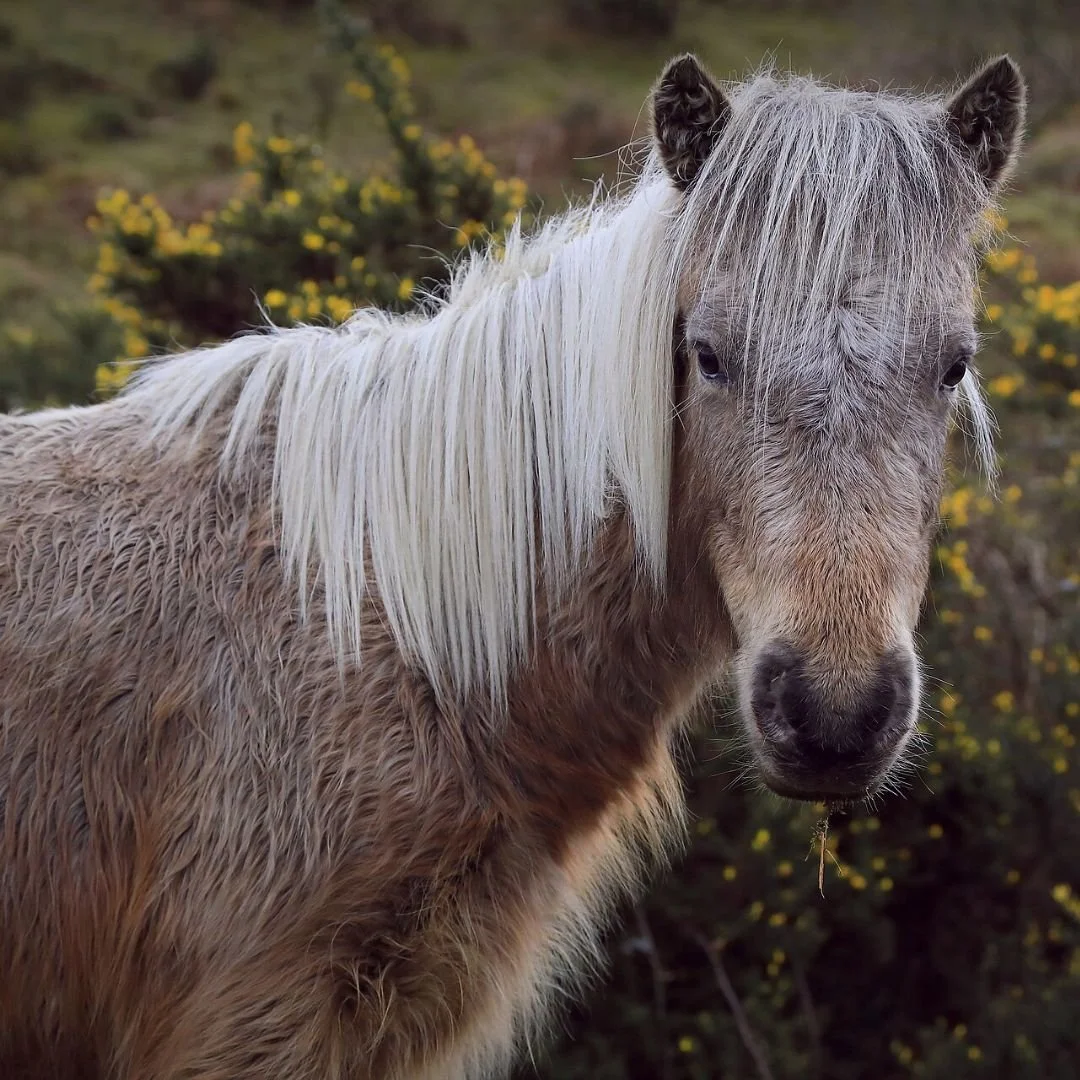
But saving an icon that predates the monarchy itself seems a fitting use of royal prerogative.
Without it, we are left to watch a tragic farce play out: a King who champions nature, a government agency that smothers it, and a thousand years of living history quietly loaded onto the back of a slaughterhouse lorry.
We hope you enjoyed this short article, if you did, please follow us on Facebook for more - thank you!