Why an American Millionaire Bought the London Bridge
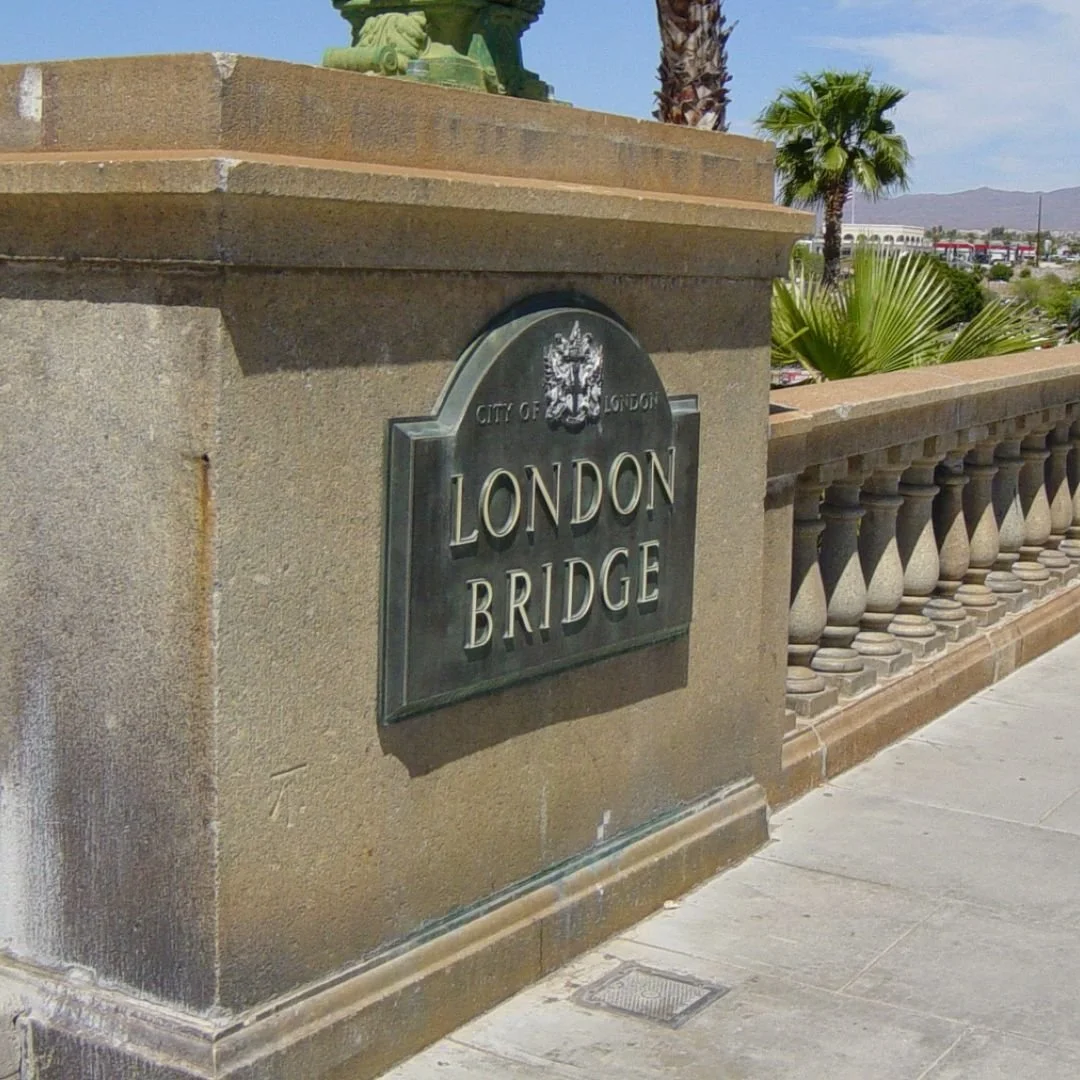
The original London Bridge is now in the USA.
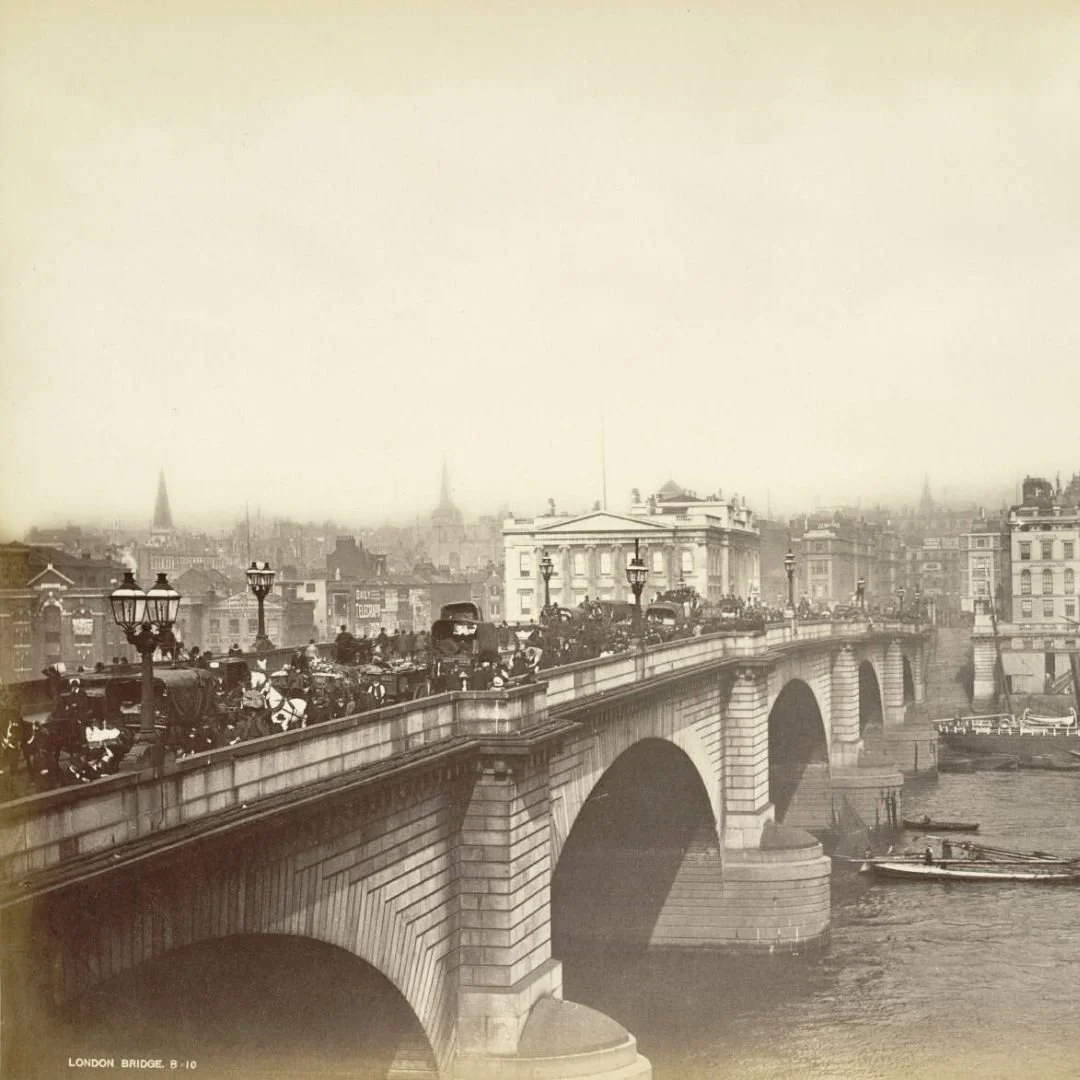
In the late 1960s, one of the most bizarre and audacious real estate gambles in history took place when a historic stone bridge was dismantled in the heart of London and shipped across the globe to the desert of Arizona.
The structure in question was the 1831 iteration of London Bridge, designed by renowned engineer John Rennie.
While it had successfully spanned the River Thames for well over a century, the advent of the modern automobile proved to be its undoing.
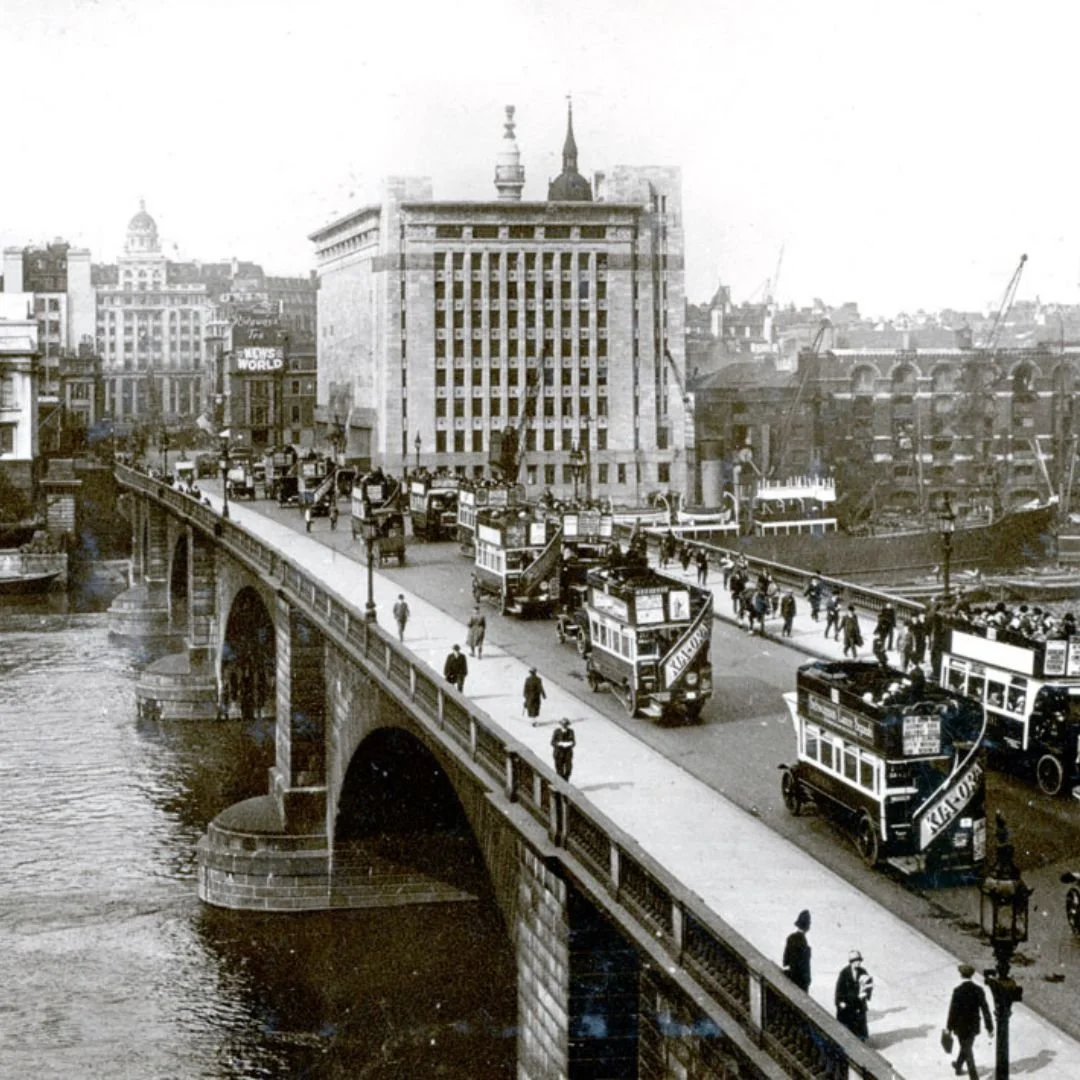
By the 1960s, the heavy influx of 20th century traffic was causing the massive granite monument to sink into the riverbed at a rate of roughly one inch every eight years.
Realising the bridge was structurally inadequate for the future, the City of London Common Council made the difficult decision to build a modern replacement and put the old historic landmark up for auction.
Enter Robert P. McCulloch, an eccentric American entrepreneur, oil tycoon, and chainsaw manufacturing magnate.
A few years prior, McCulloch had purchased thousands of acres of cheap, barren desert land along the Colorado River with the dream of building a brand new, master-planned community called Lake Havasu City.
However, the remote location and scorching desert climate made it an incredibly tough sell for real estate agents trying to attract retirees and tourists.
McCulloch desperately needed a centrepiece, a theatrical gimmick that would put his fledgling city on the map.
When his business associates told him that the British government was selling London Bridge, McCulloch famously joked that it was a ridiculous idea, but it was exactly the kind of eye catching monument he needed to kickstart his desert oasis.
To secure the prize, McCulloch placed a winning bid of nearly two and a half million dollars in 1968.
He calculated this specific number by doubling the estimated cost it would take to dismantle the structure, then tacked on an extra sixty thousand dollars, one thousand for each year of his age at the time he estimated the bridge would reopen.
A persistent urban legend immediately cropped up suggesting that the American millionaire had been duped, foolishly believing he was purchasing the far more visually iconic, turreted Tower Bridge down the river.
However, both London officials and McCulloch’s estate firmly debunked this myth, noting that McCulloch knew exactly what he was buying and simply leaned into the persistent rumours because the constant media chatter provided millions of dollars in free publicity for Lake Havasu City.
The logistical undertaking of moving the bridge was nothing short of a Herculean feat.
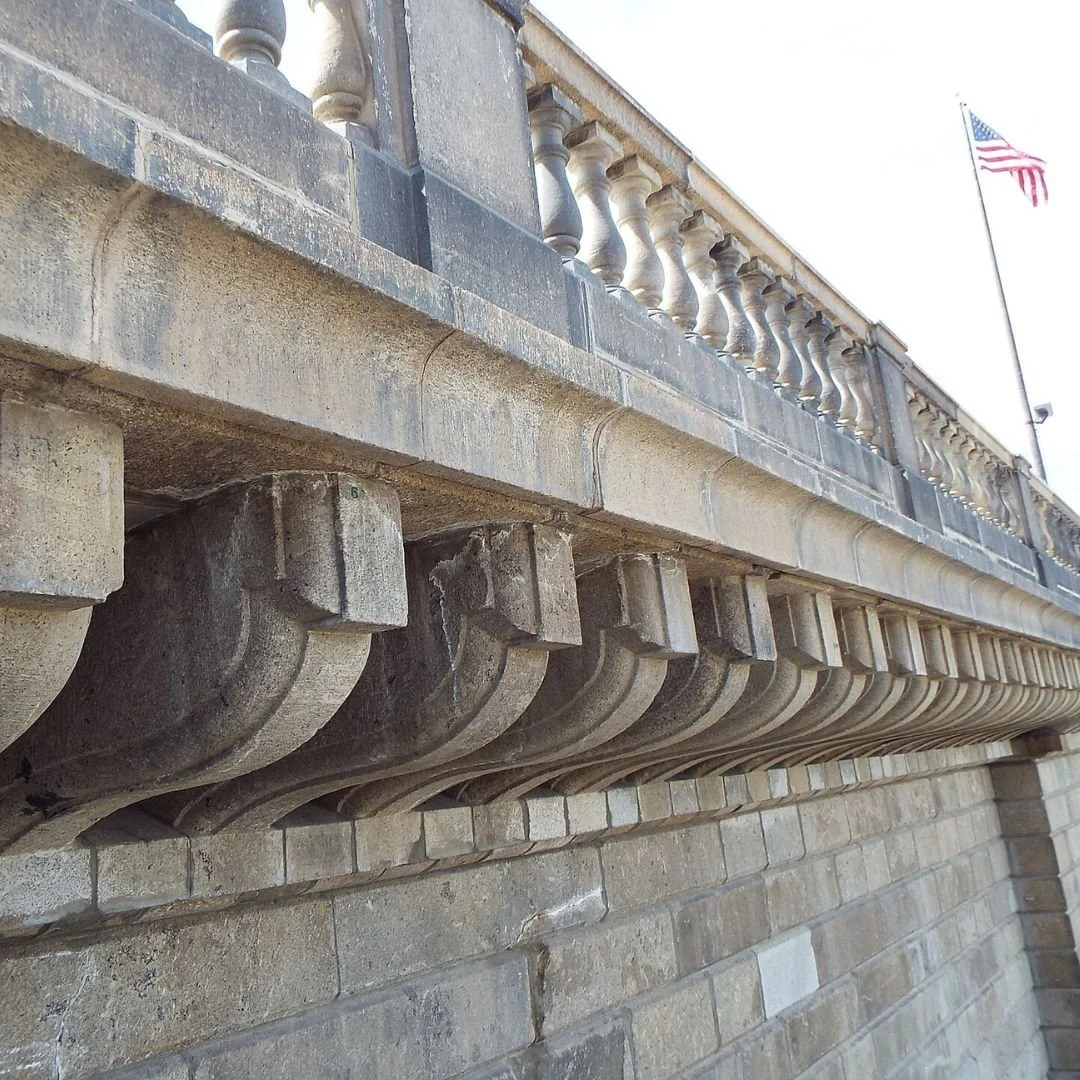
Before a single stone was moved, workers meticulously cataloged, numbered, and spray-painted every single exterior granite block to record its precise arch span, row, and relative position.
The bridge was then carefully disassembled piece by piece and packed away into cargo crates.
To save on astronomical shipping costs, McCulloch's team negotiated a deal with a shipping company that was sailing a brand new, unladen cargo ship from the United Kingdom to the United States.
The massive stones traveled ten thousand miles across the Atlantic Ocean, navigated through the Panama Canal, and finally docked at the Port of Long Beach in California.
From the coast, a relentless fleet of flatbed trucks carried the ancient British stones three hundred miles inland across the blazing desert to Arizona.
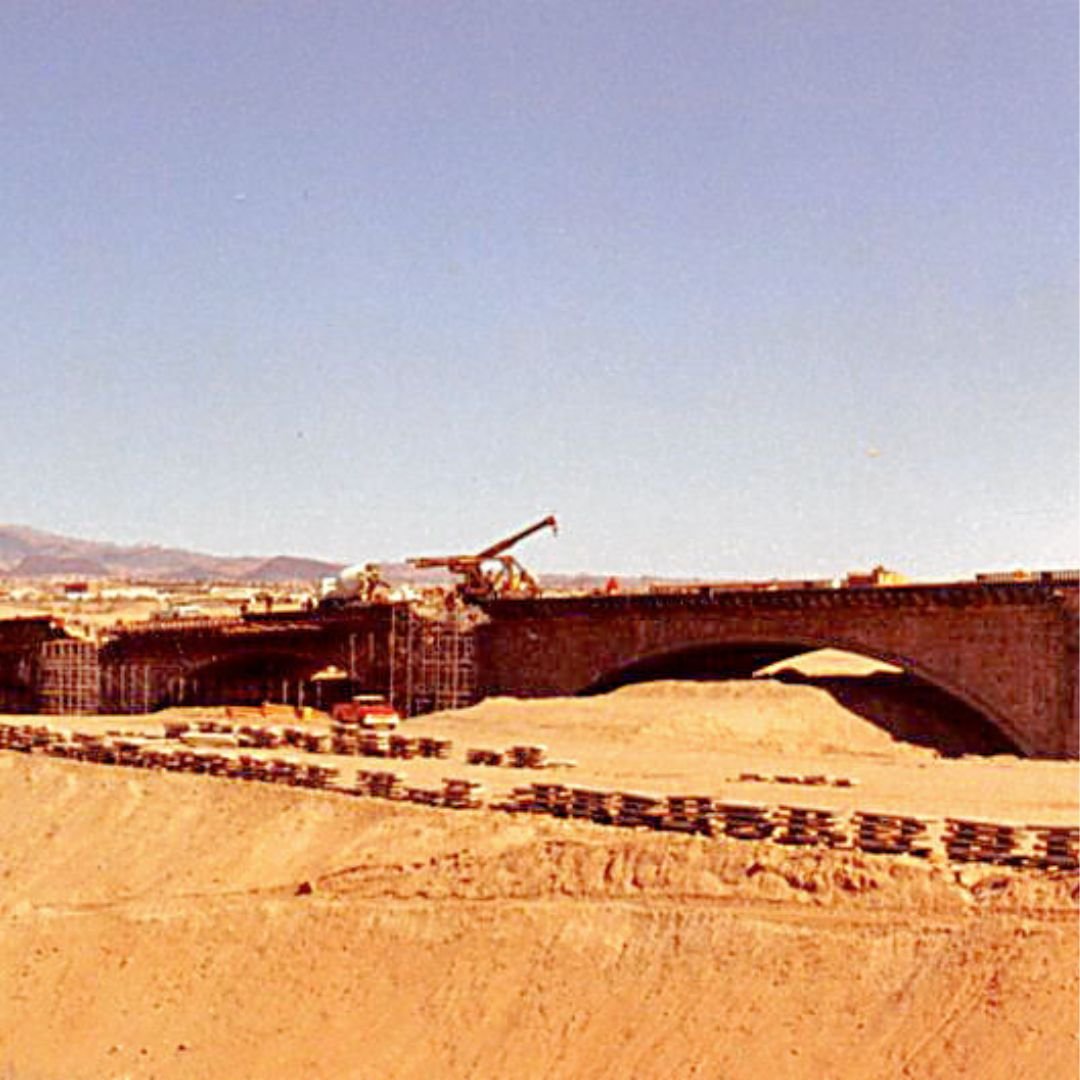
Reassembly in the desert began later that year and took over three exhausting years to complete.
Interestingly, McCulloch did not actually rebuild a solid stone bridge.
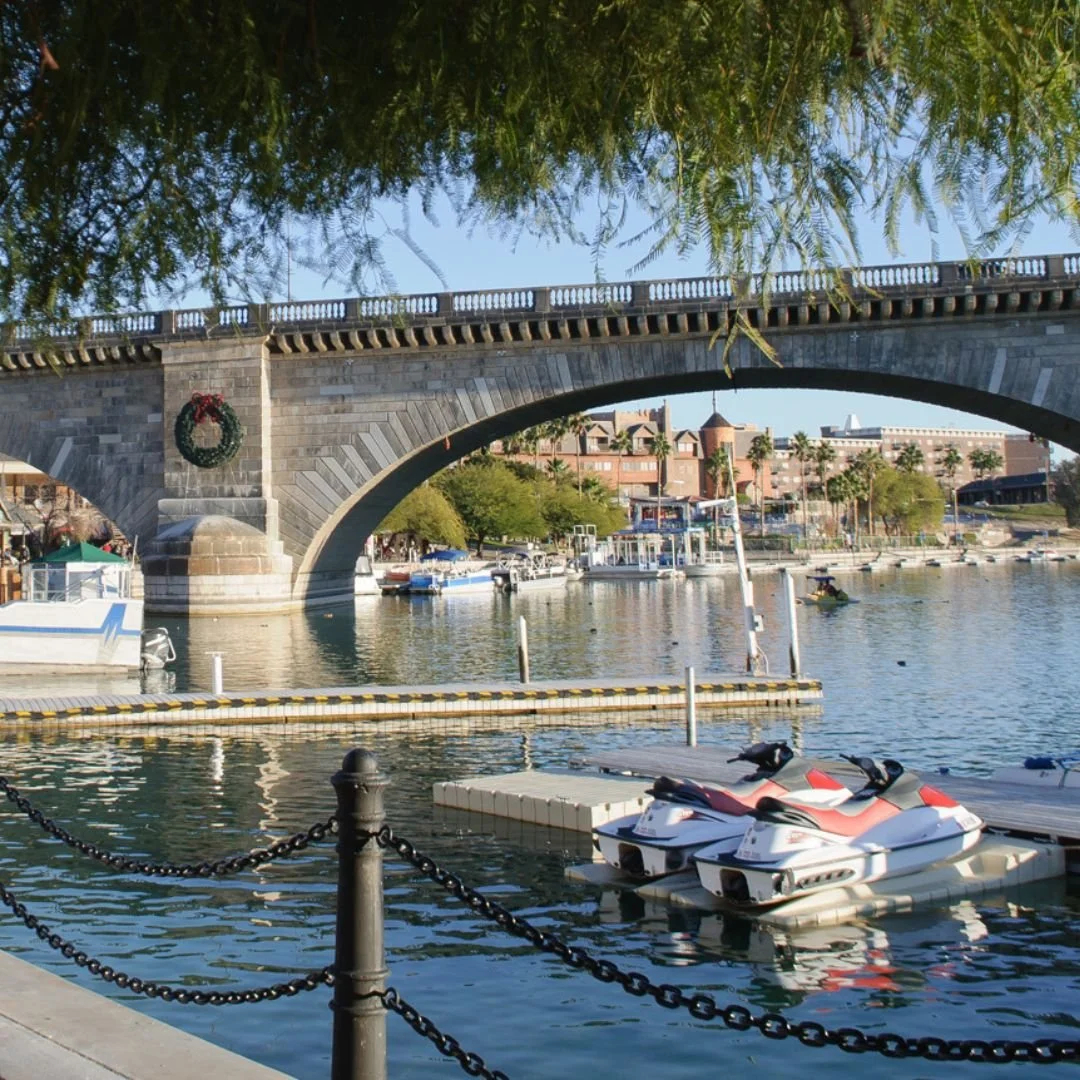
Instead, engineers erected a modern, load bearing reinforced concrete framework and meticulously clad the exterior with the original 1831 British granite blocks, effectively matching the numbered stones like a giant three dimensional jigsaw puzzle.
Furthermore, the bridge was initially put up on dry land over a narrow peninsula jutting into Lake Havasu.
Once the stonework was securely in place, a massive dredging project carved out an artificial canal directly underneath the structure, turning the peninsula into an island and finally giving the relocated bridge an actual body of water to cross.
The unveiling took place in October 1971 with an incredibly flamboyant ceremony that perfectly captured the eccentric spirit of the entire project.
McCulloch spared no expense, flying in the Lord Mayor of London and hosting a massive celebration filled with marching bands, hot air balloons, skydivers, and a spectacular fireworks display.
The inaugural dinner banquet even mirrored the exact menu of lobster and roast beef that had been served to King William IV during the bridge's original London debut over a century earlier.
While many contemporary critics scoffed at the project and labelled it a colossal waste of money, McCulloch got the last laugh.
The audacious stunt completely transformed the fortunes of Lake Havasu City, triggering a massive boom in land sales and turning the historic British bridge into one of the most visited tourist attractions in the entire state of Arizona.
If you enjoyed this article, please follow Exploring GB on Facebook for more!
Thank you :)