The Story of HMS Endurance (1912)
In 1915, Sir Ernest Shackleton’s ship, HMS Endurance, was crushed by pack ice in the Antarctic and sank 10,000 feet to the ocean floor.
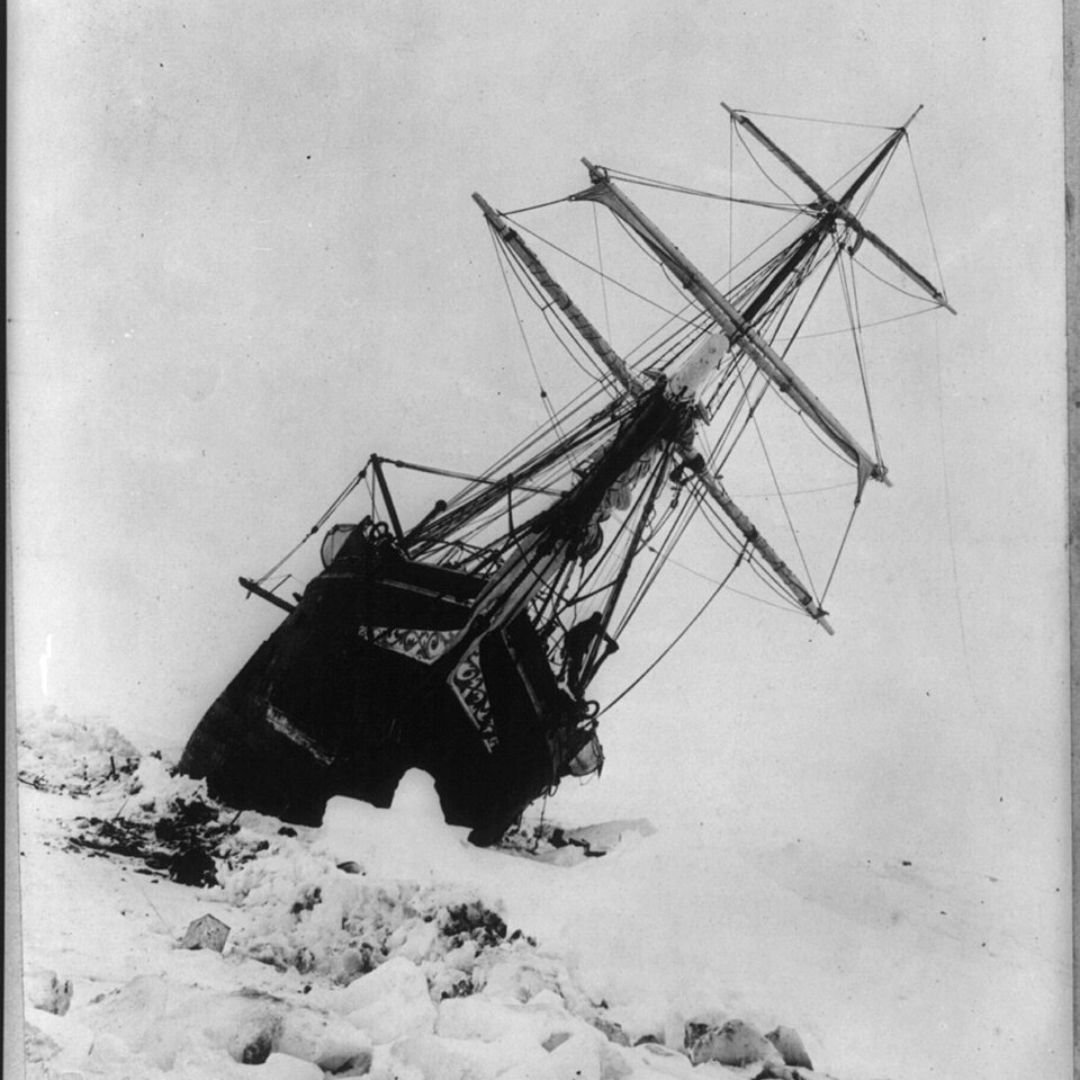
The crew, however, escaped on foot, sparking one of the greatest survival stories in human history.
A team of modern scientists, marine archaeologists, and engineers using advanced underwater drones braved the brutal Weddell Sea to find her.
This, is the incredible story of HMS Endurance.
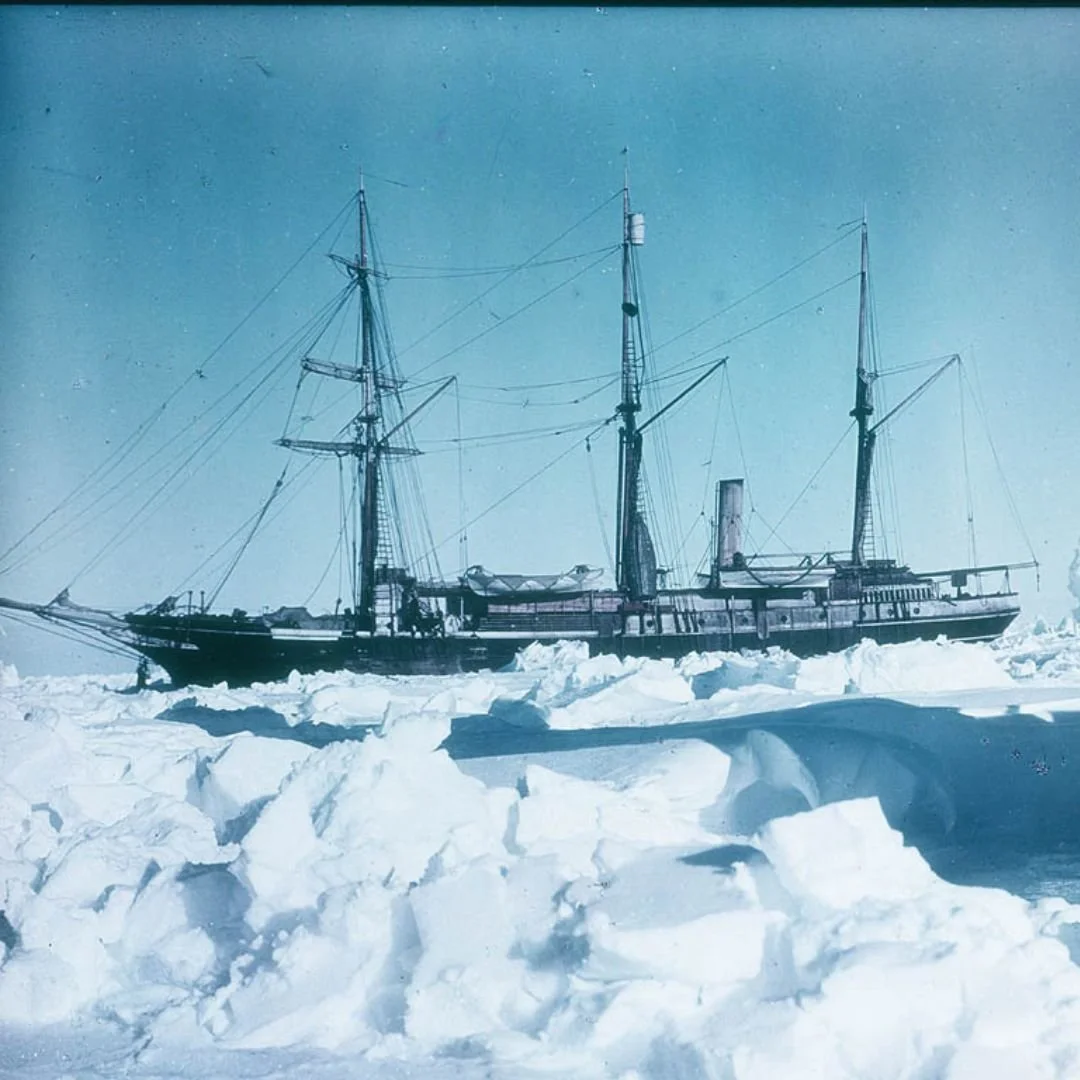
The Weddell Sea is a place where the ocean itself seems hostile to life. It is a swirling, freezing vortex of pack ice that can trap a ship as easily as a wooden toy.
In 1915, it did exactly that to Sir Ernest Shackleton’s Endurance.
The huge vessel was crushed by the relentless pressure of the ice, slowly splintering before sinking ten thousand feet into the abyss.
Shackleton and his crew were left stranded on the ice, beginning a legendary journey of survival that would cement their names in history.
The 28 men of the expedition were cast out onto a shifting, unstable world of frozen sea.
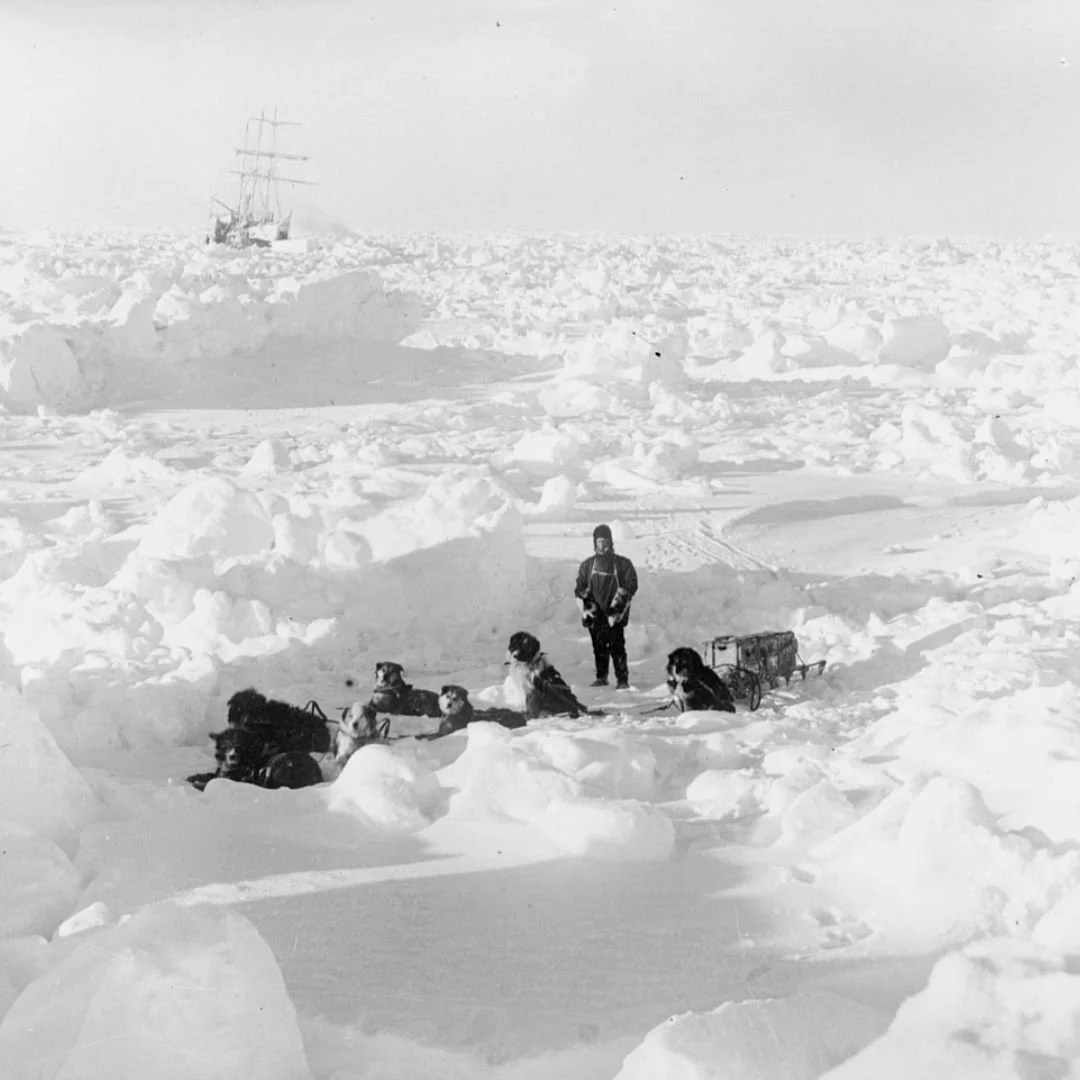
For nearly five months, they lived in makeshift camps on the drifting ice floes, enduring sub-zero temperatures, howling blizzards, and the constant psychological terror that the ice beneath their tents might crack open at any moment.
As their rations dwindled, they were forced to shoot their sled dogs for meat and supplement their diet with stringy penguin and seal blubber.
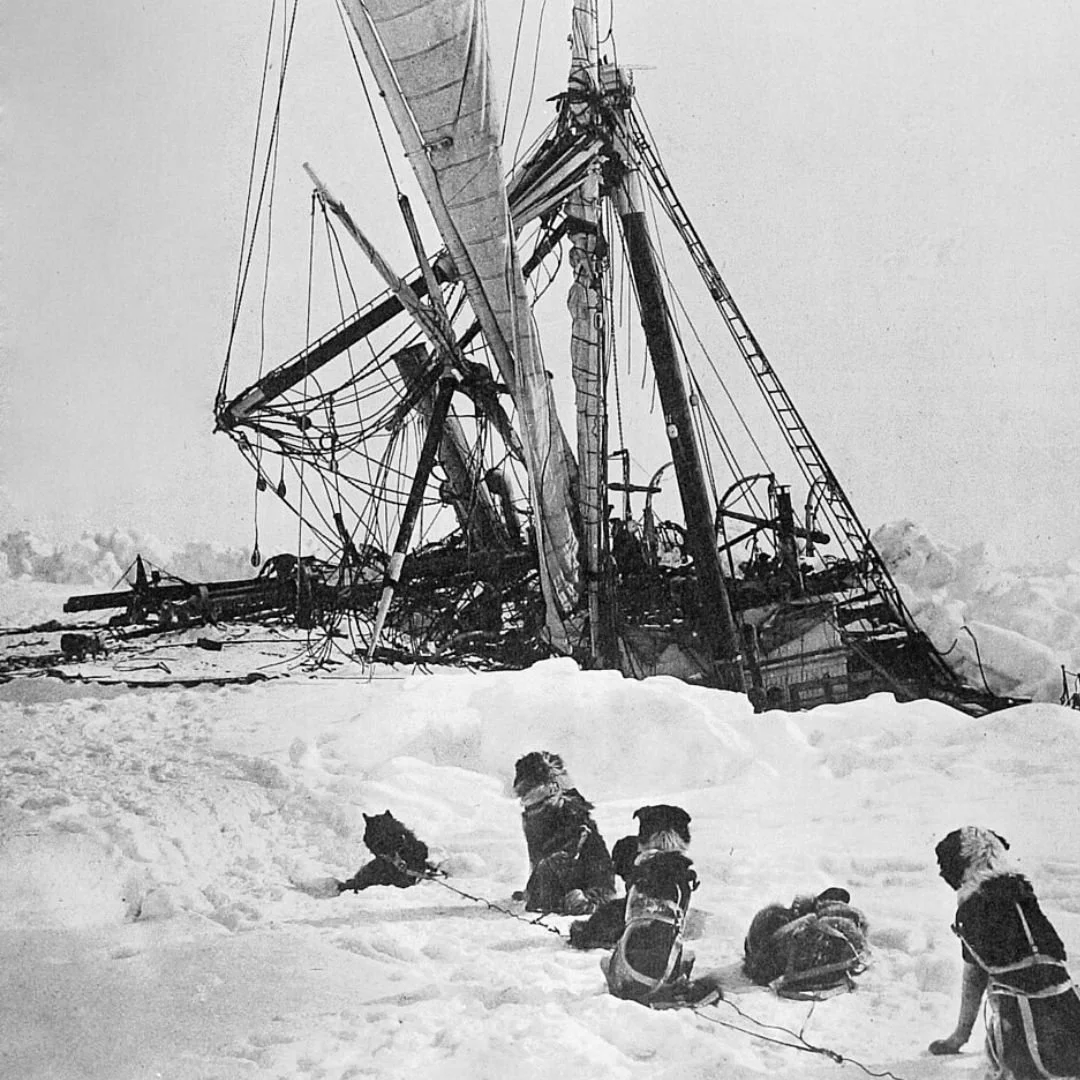
They were completely severed from civilisation, with no radios, no hope of rescue, and only three small wooden lifeboats salvaged from the ship.
The ordeal escalated into a desperate race against time in April 1916, when the ice floe beneath them broke apart, forcing the crew into the freezing, storm-tossed waters of the Southern Ocean.
For five agonising days, the men rowed through treacherous swells and icebergs, battle-worn, frostbitten, and severely dehydrated, before finally making landfall on Elephant Island.
This desolate, uninhabited rock offered solid ground, but it was thousands of miles from help and entirely outside the routes of commercial whaling ships.
Realising that waiting meant certain death, Shackleton and five chosen men embarked on a near suicidal 800-mile journey across the world's most violent ocean in a tiny 22 foot lifeboat, the James Caird.
Against all mathematical odds, they reached South Georgia Island, crossed its uncharted mountainous glaciers on foot, and finally secured a rescue ship.
By the time Shackleton returned to Elephant Island in August 1916 to retrieve the remaining 22 men, the crew had been stranded in the Antarctic wilderness for a staggering 28 months, roughly 630 days.
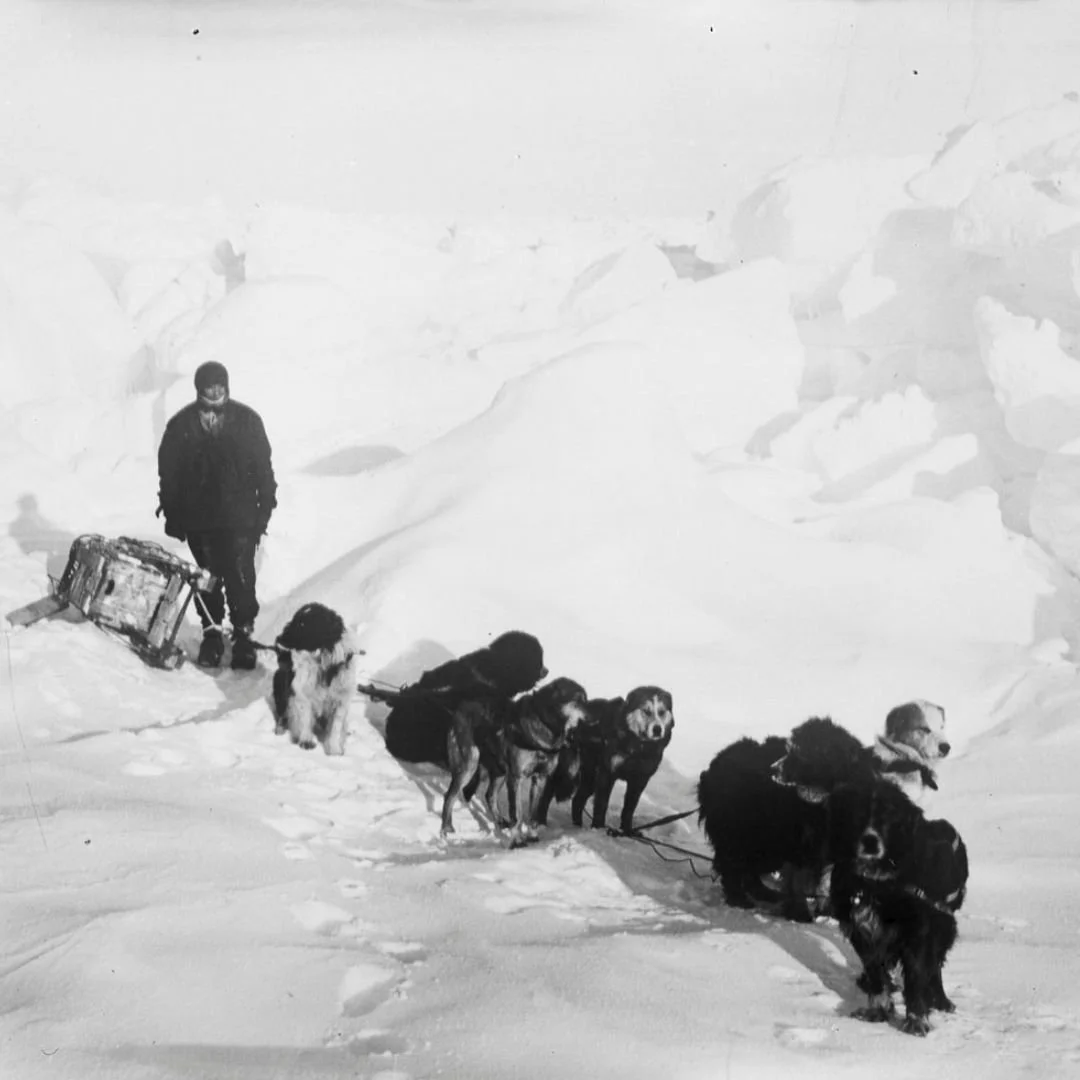
They had survived on a frozen crust of earth, under upturned boats, through two brutal polar winters.
Yet, when the rescue hull finally pierced the fog, every single member of the crew was alive.
It remains a masterclass in leadership and human resilience, a testament to the fact that while the Antarctic took their ship, it could not break their will.
Meanwhile, the Endurance vanished into the dark, cold depths of the Antarctic.
For over a century, the ship was lost.
The extreme depths, the unpredictable ice cover, and the ferocious weather made searching for the wreck an almost suicidal gamble.
Many historians and oceanographers believed that the exact final resting place of the Endurance would never be known, guarded forever by the very ice that claimed her.

However, in March 2022, a team of modern scientists, marine archaeologists, and engineers set out to challenge the Weddell Sea.
Operating from the South African icebreaker Agulhas II, the Endurance22 expedition aimed to achieve what many considered impossible.
They were armed not just with historical logs and coordinate estimates, but with the pinnacle of 21st century marine technology.
The primary weapons in their technological arsenal were Sabertooth hybrid underwater search vehicles.
These advanced drones were capable of decoupling from the main ship and swimming miles away under the thick ice sheets, scanning the barren ocean floor with high-definition sonar and laser technology.
The engineers faced a constant battle against the elements.
If the ice shifted rapidly, the Agulhas II could find herself trapped just like Shackleton's vessel, and the tetherless drones could easily be lost forever beneath the frozen ceiling.
The breakthrough came exactly one hundred years after Shackleton’s death.
At a depth of nearly ten thousand feet, the sonar equipment picked up a distinct, regular shape on the flat seabed.
As the drones descended and illuminated the pitch-black water, the cameras sent back images that shocked the team on the surface.
The cold, dark, and oxygen depleted environment of the Antarctic deep, free from wood eating organisms, had acted as a perfect natural refrigerator.
The Endurance did not look like a century-old wreck; she looked like a ghost ship frozen in time.
The timber hull was pristine, showing only the damage inflicted by the ice just before she sank.
Most stunningly, the brass lettering spelling out ENDURANCE across the stern shone brightly in the glare of the drone’s headlights, perfectly legible above the ship's iconic five-pointed Polaris star.
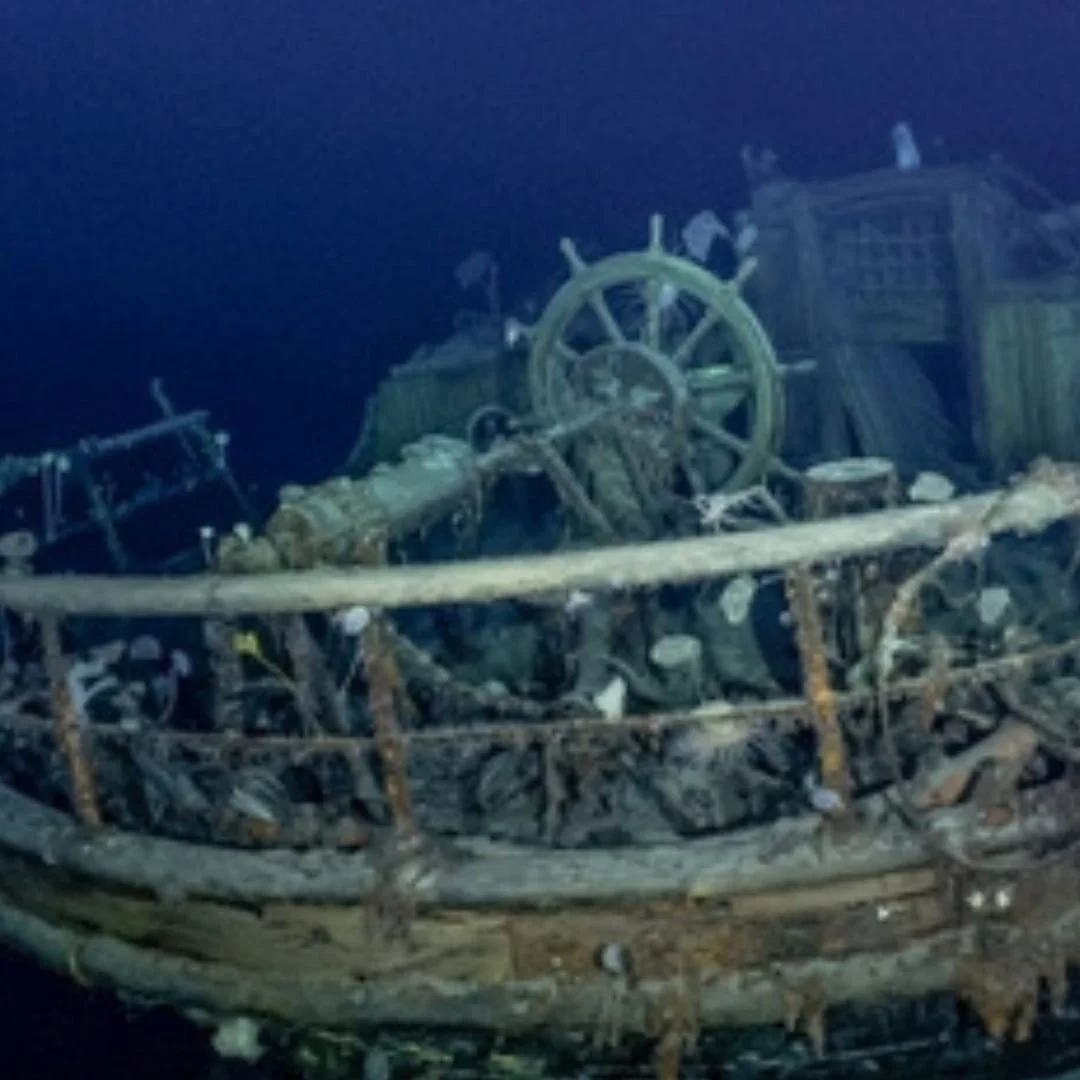
The ship’s wheel remained intact on the deck, and various pieces of rigging lay draped over the wood as if the sailors had just stepped away.
In accordance with the Antarctic Treaty, the wreck site was designated a Protected Historic Site and Monument.
No artefacts were raised, and nothing was touched.
The Endurance remains exactly where she fell, a silent monument to human endurance, exploration, and the unbreakable spirit of survival against the harshest forces of nature.
If you enjoyed this article, please follow Exploring GB on Facebook for more!
Thank you for visiting Exploring GB :)