The Railway of the Dead: London Necropolis Company
In the mid 19th century, London faced an unprecedented public health crisis stemming not from the living, but from the dead.
Driven by the Industrial Revolution, the city’s population boomed from under 1 million in 1800 to over 2.5 million by 1850.
The dead were dying faster than the city could bury them.
Parish churchyards, many dating back to the Middle Ages, were overflowing.
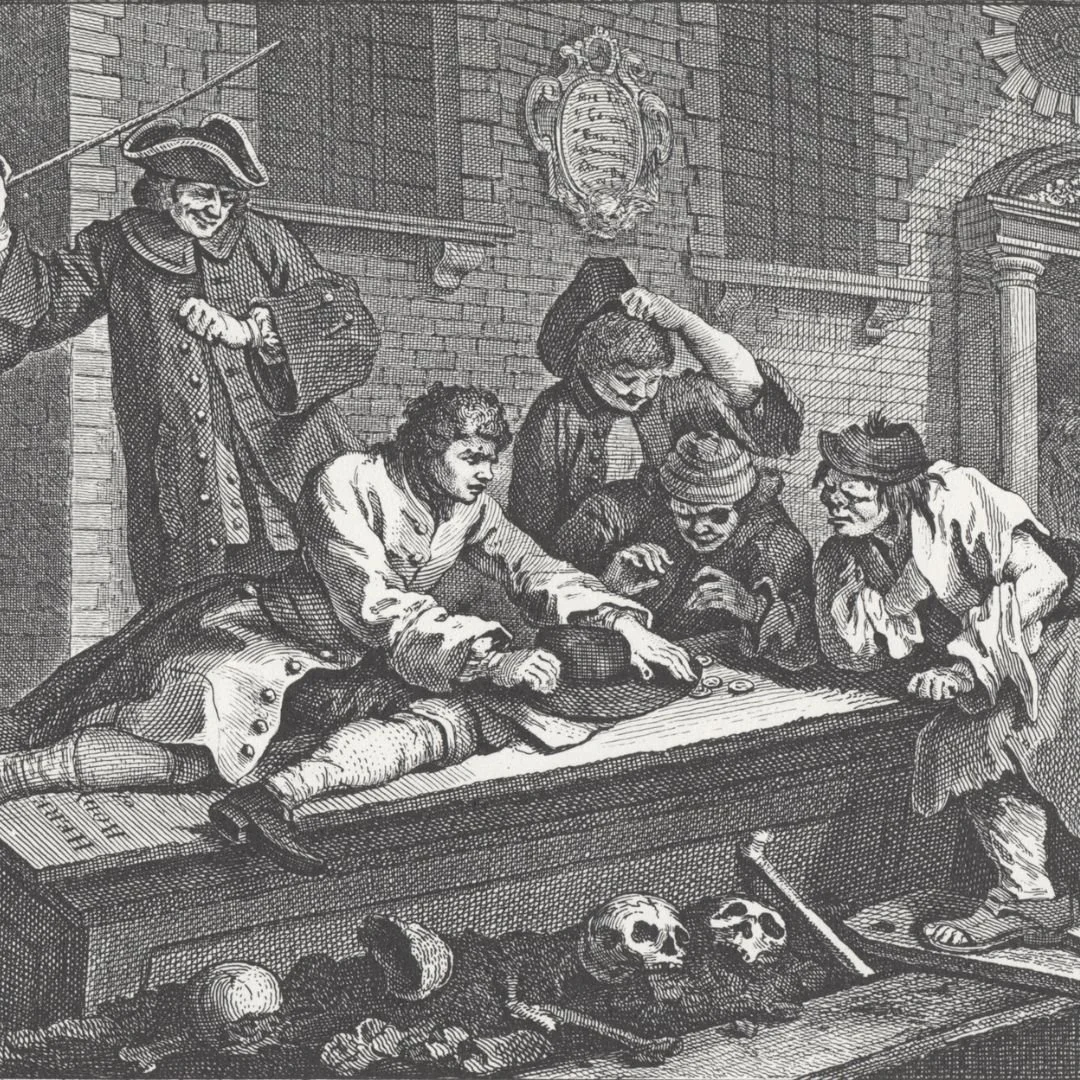
Coffins were stacked on top of one another in shallow pits, and decaying remains frequently surfaced during rainstorms.
The unbearable stench and the contamination of nearby water sources fueled deadly outbreaks of cholera and typhoid.
The situation became so dire that Parliament passed the Burial Act of 1852, prohibiting new interments in inner-London churchyards.
The metropolis needed a radical solution to offload its dead.
Enter Sir Richard Broun and Richard Spry. They proposed an ambitious plan to buy a massive tract of cheap, barren land far outside London and construct a mega-cemetery connected by rail.
In 1852, the London Necropolis Company (LNC) was incorporated by an Act of Parliament.
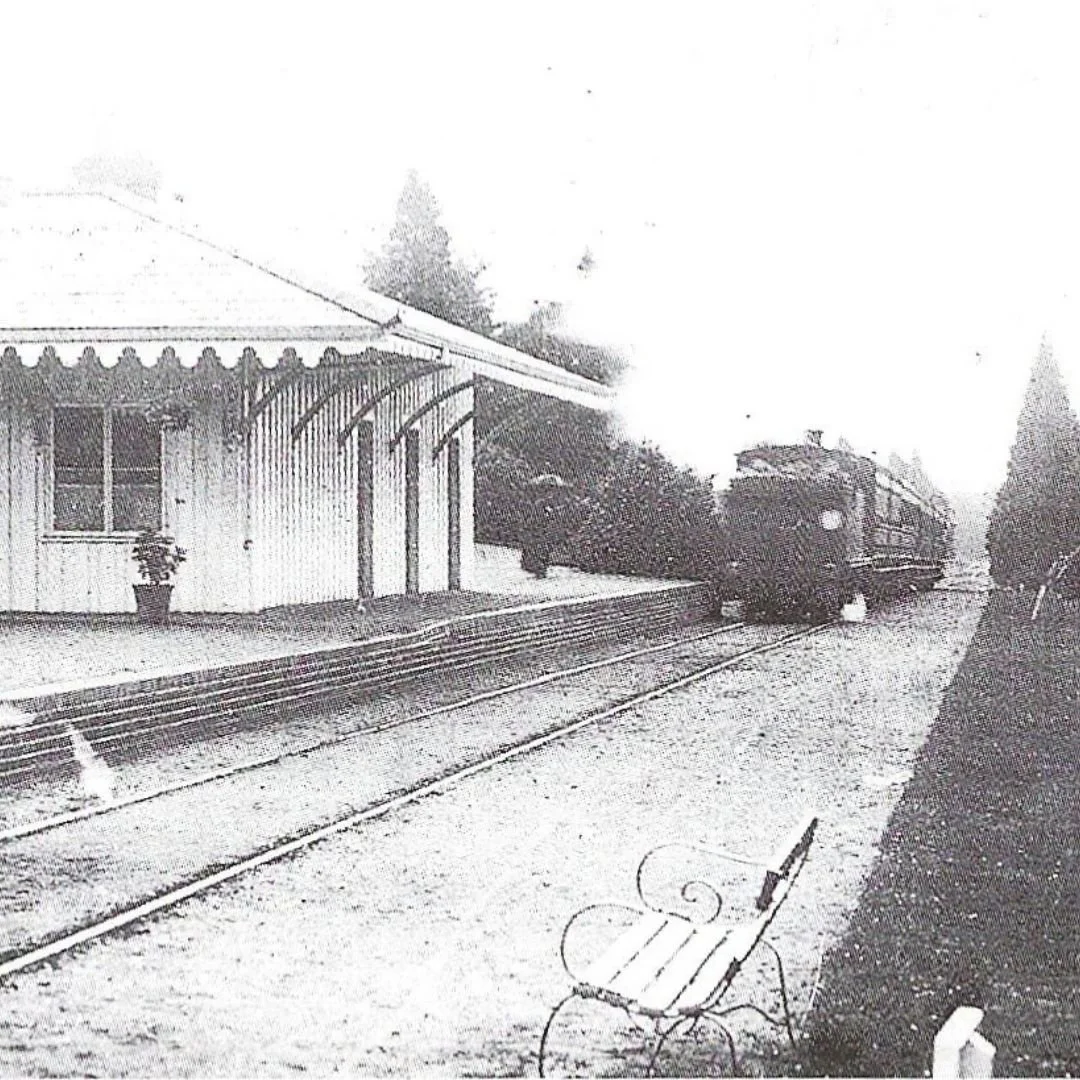
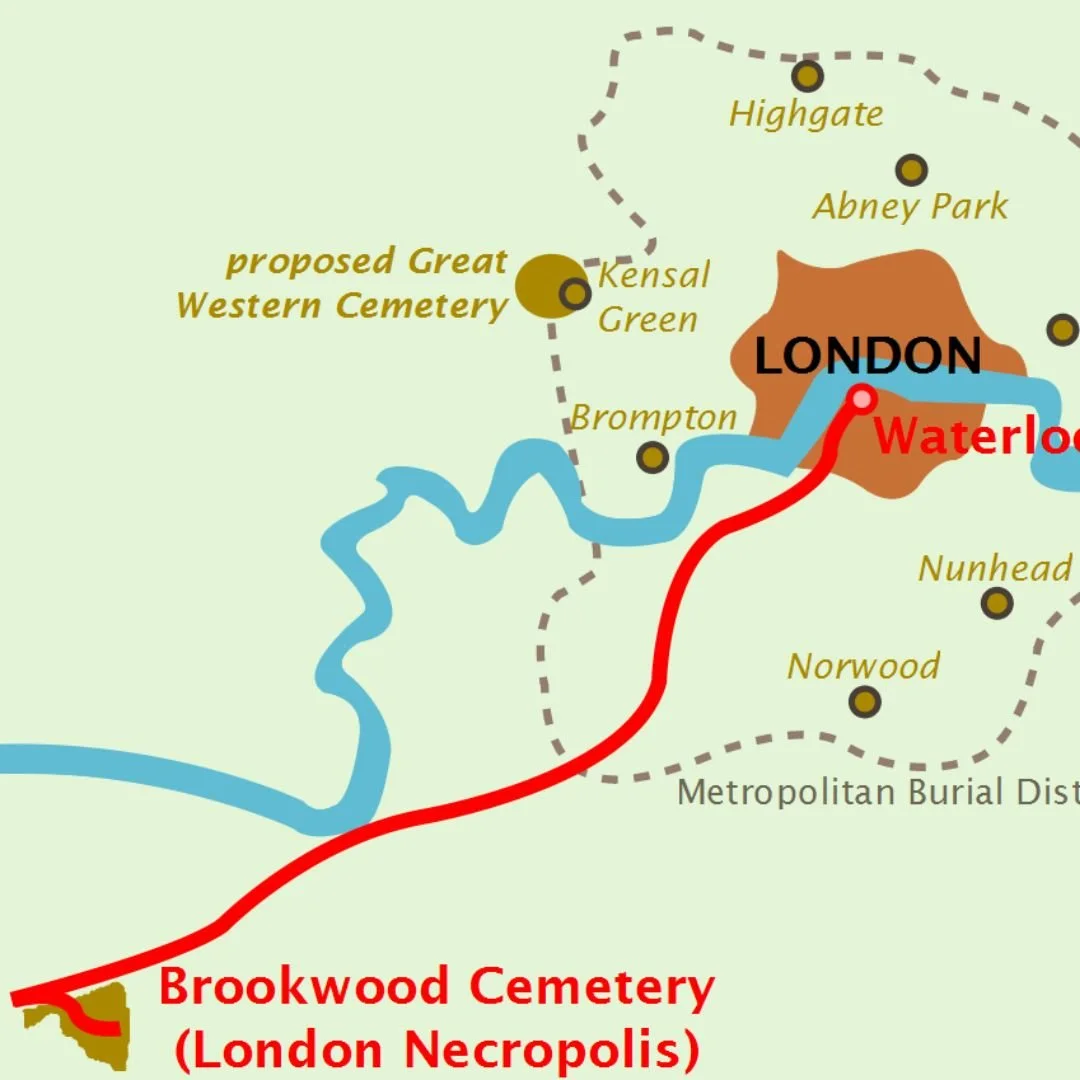
The company purchased 2,200 acres of heathland in Brookwood, Surrey, located 23 miles southwest of London. At the time, Brookwood Cemetery was designed to be large enough to accommodate all of London’s burials for centuries.
To bridge the 23 mile gap between central London and Brookwood, the LNC partnered with the London and South Western Railway to establish a dedicated railway service built exclusively for mourners and corpses: The London Necropolis Railway.
Victorian society was notoriously preoccupied with social hierarchy and religious propriety, and the London Necropolis Railway reflected these anxieties down to the finest detail.
Train carriages and waiting rooms were divided into First, Second, and Third Class, catering to both living passengers and the deceased.
Wealthy First Class mourners received private waiting rooms and lavishly outfitted carriages, while their deceased family members were carried in ornate mahogany coffins placed in special hearse cars and granted choice burial plots with grand monuments.
Middle-class Second Class families shared mourning saloons but were guaranteed dignified services and durable graves.
Third Class was primarily reserved for paupers and parish funerals funded by local authorities, featuring simpler coffins and shared, unmarked graves on the non-conformist or Anglican sides of the cemetery.
Victorian religious tensions required equally strict separation between members of the Church of England (Anglicans) and Non-conformists, such as Methodists, Baptists, Presbyterians, and Roman Catholics.
When the train reached Brookwood Cemetery, it did not stop at a single station.
Instead, it ran along a private branch line inside the grounds that featured two distinct stops: the North Substation for Non-conformists and non-Anglican denominations, and the South Substation for Anglican burials, complete with its own dedicated chapel and licensed clergy.
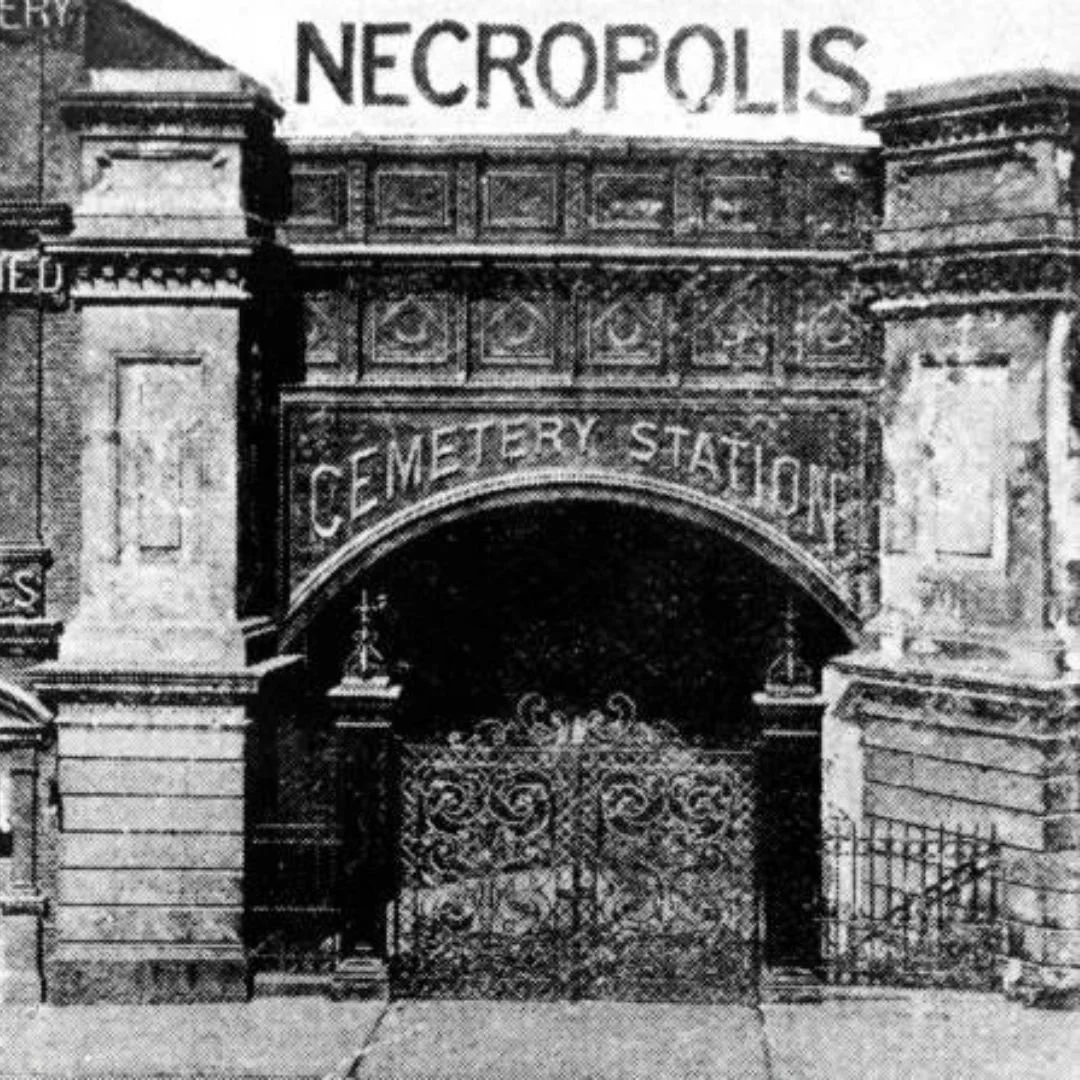
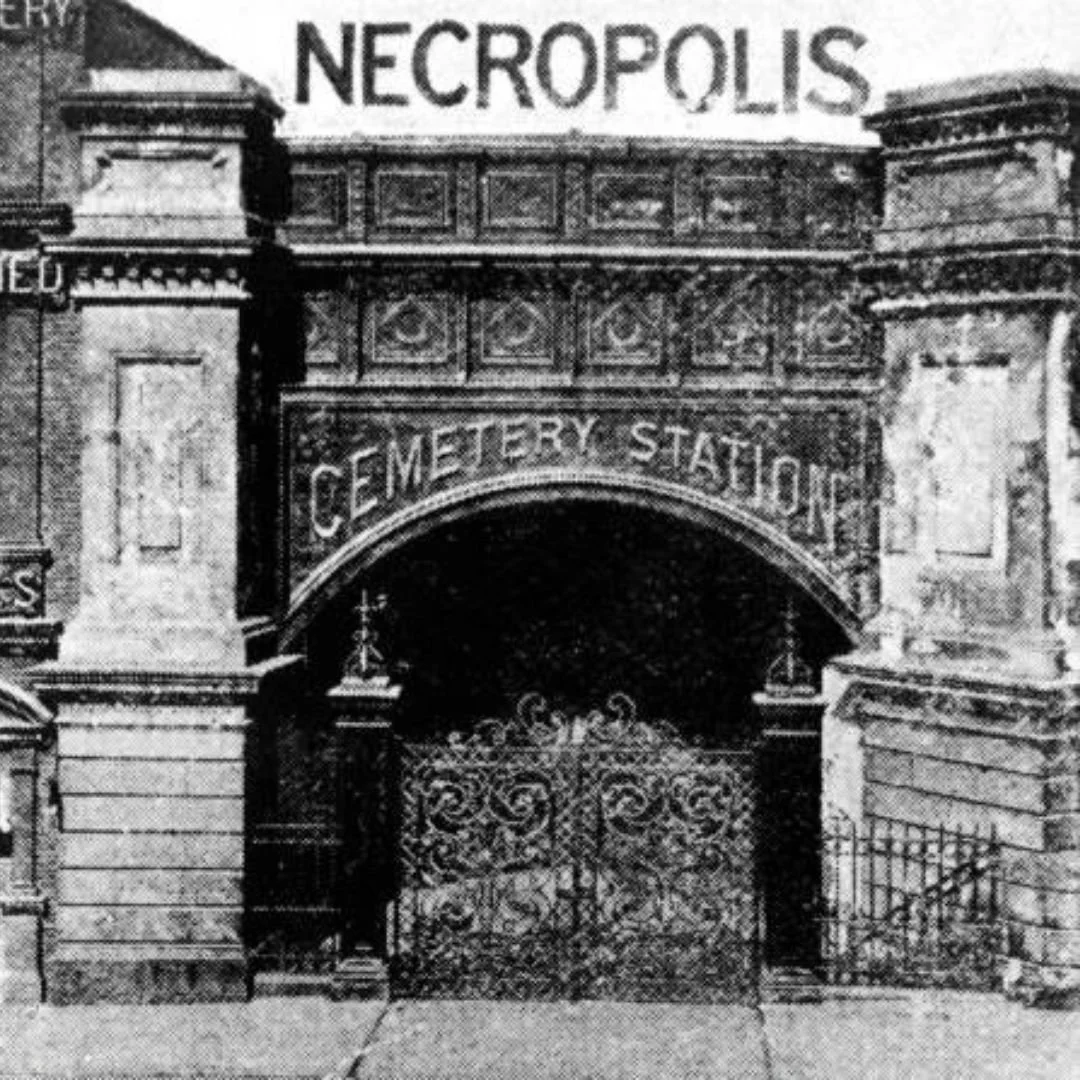
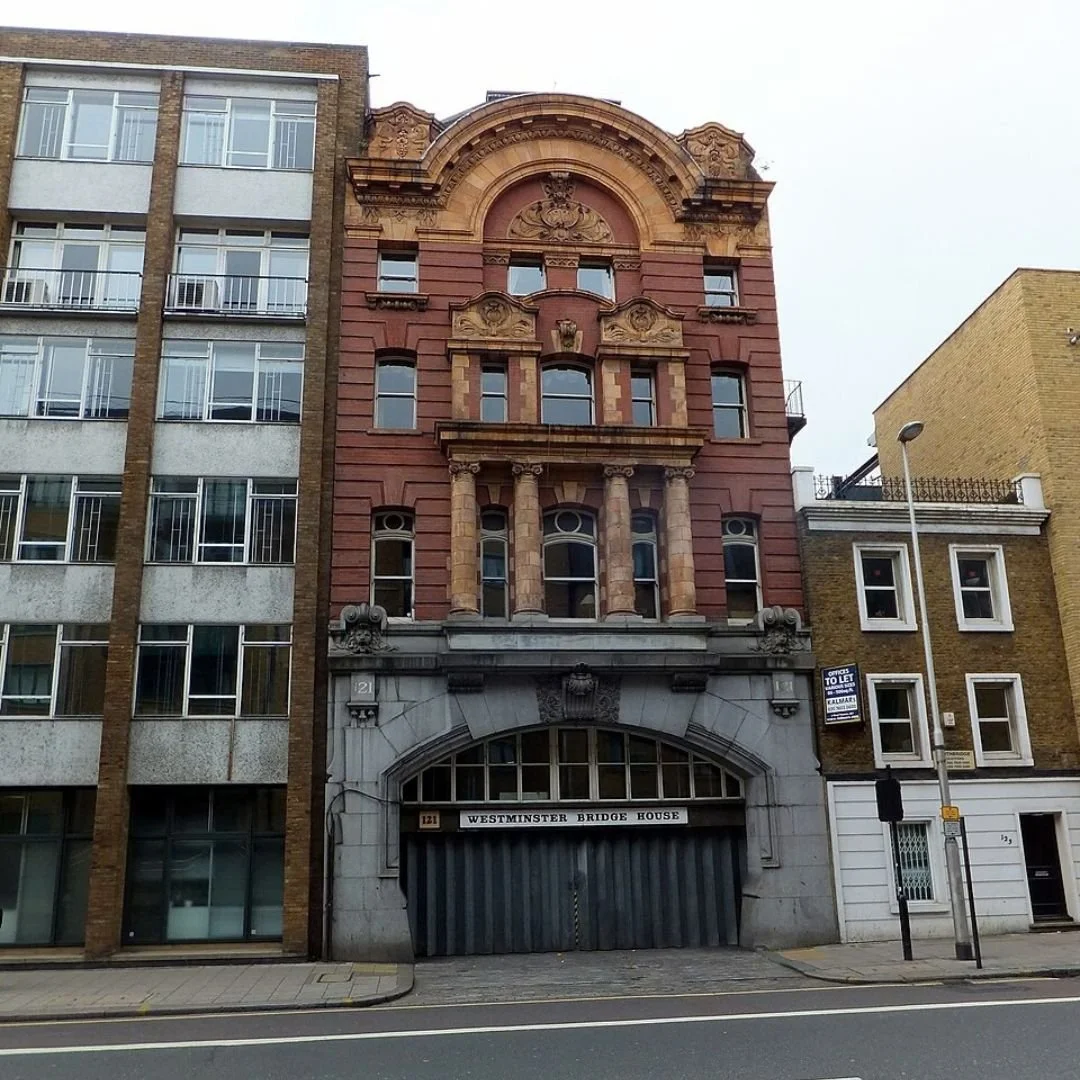
The primary London terminus was situated on Westminster Bridge Road near Waterloo Station.
Every morning at 11:30am, the funeral train departed London for Brookwood.
Upon arrival at the private London station, undertakers unloaded coffins into specialised lower-deck hearse vans using hydraulic lifts.
Mourners boarded their respective class carriages above for the 23-mile journey, which took approximately 40 to 50 minutes.
Upon reaching either the North or South station inside the cemetery grounds, bearers unloaded the coffin, and the funeral party walked to the nearby chapel for the service.
After the burial and a wake hosted in the station's licensed refreshment rooms, which served meals and alcohol to grieving families, the train took the mourners back to Waterloo by mid-afternoon.
At its peak in the late 19th century, the LNC anticipated running up to four trains a day, carrying thousands of bodies annually.
However, the service never reached its full projected volume due to competing municipal cemeteries opening closer to London, along with the rising popularity of motor hearses in the early 20th century.
During its 87 years of operation from 1854 to 1941, the London Necropolis Railway carried over 200,000 bodies to their final resting place.
The end came suddenly during World War II.
On the night of April 16, 1941, during the Blitz, a German incendiary bomb raid struck the London terminus on Westminster Bridge Road.
The station structure, rolling stock, and equipment were heavily damaged or destroyed.
After the war, the LNC determined that rebuilding the specialised railway line was financially unviable.
The service was officially discontinued, and the surviving trackage was removed.
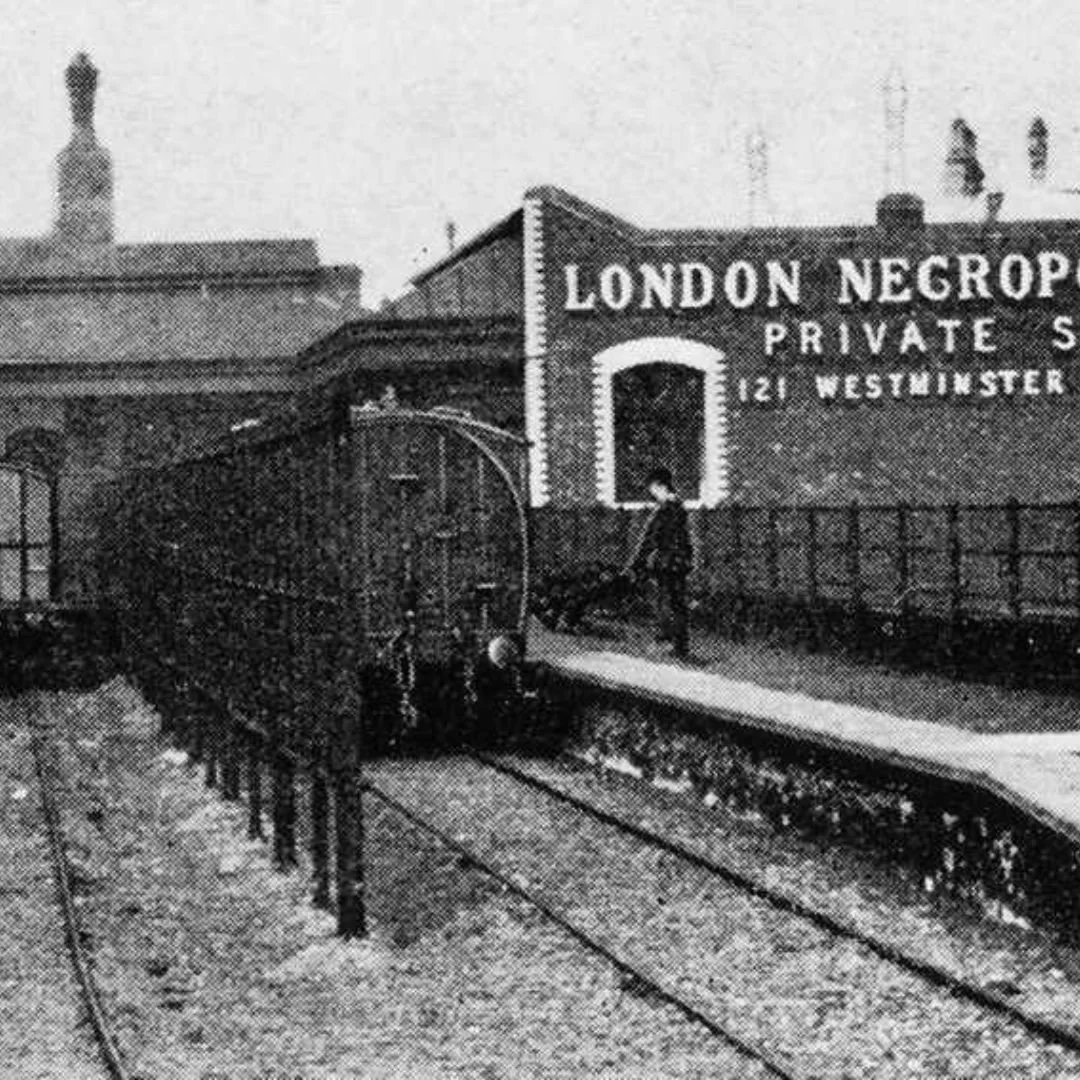
Today, the original station entrance on Westminster Bridge Road and the former station buildings at Brookwood Cemetery stand as subtle, historic reminders of Victorian London's extraordinary solution to death.
If you enjoyed this blog post, please follow Exploring GB on Facebook for more!
Don’t forget to check out our latest blog posts below!