Putin’s Fatal Refusal of British Rescue (K-141 Kursk)
A faulty torpedo exploded inside the K-141 Kursk, a Russian nuclear submarine, which sent it down to the seabed.
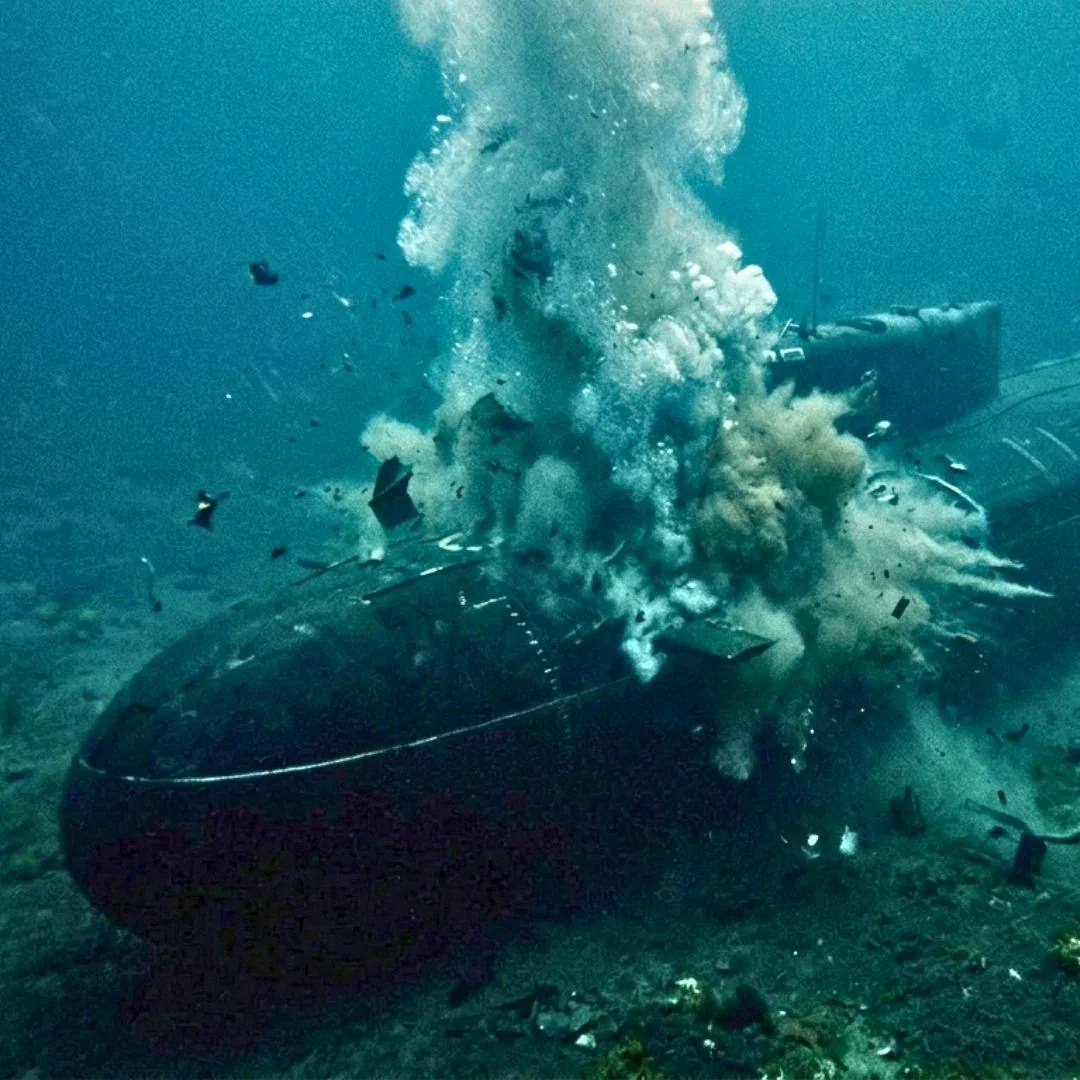
Although most men died during the explosion, but in the wreckage, 23 men miraculously survived, trapped in a dark, freezing space gasping for air - waiting for help which never came.
One of the crew wrote a heartbreaking letter in his dying moments, in complete darkness, which we show later in this article.
Britain’s Royal Navy offered the Russians their advancedLR5 rescue sub immediately, but for five agonising days, the Kremlin said NO.
While the Russian media fed families a web of lies, claiming the crew was safe and in contact, political pride and Cold War-era secrecy were suffocating the survivors.
By the time the British were finally allowed to dive, they found only a silent grave. This is the devastating story of The K-141 Kursk.
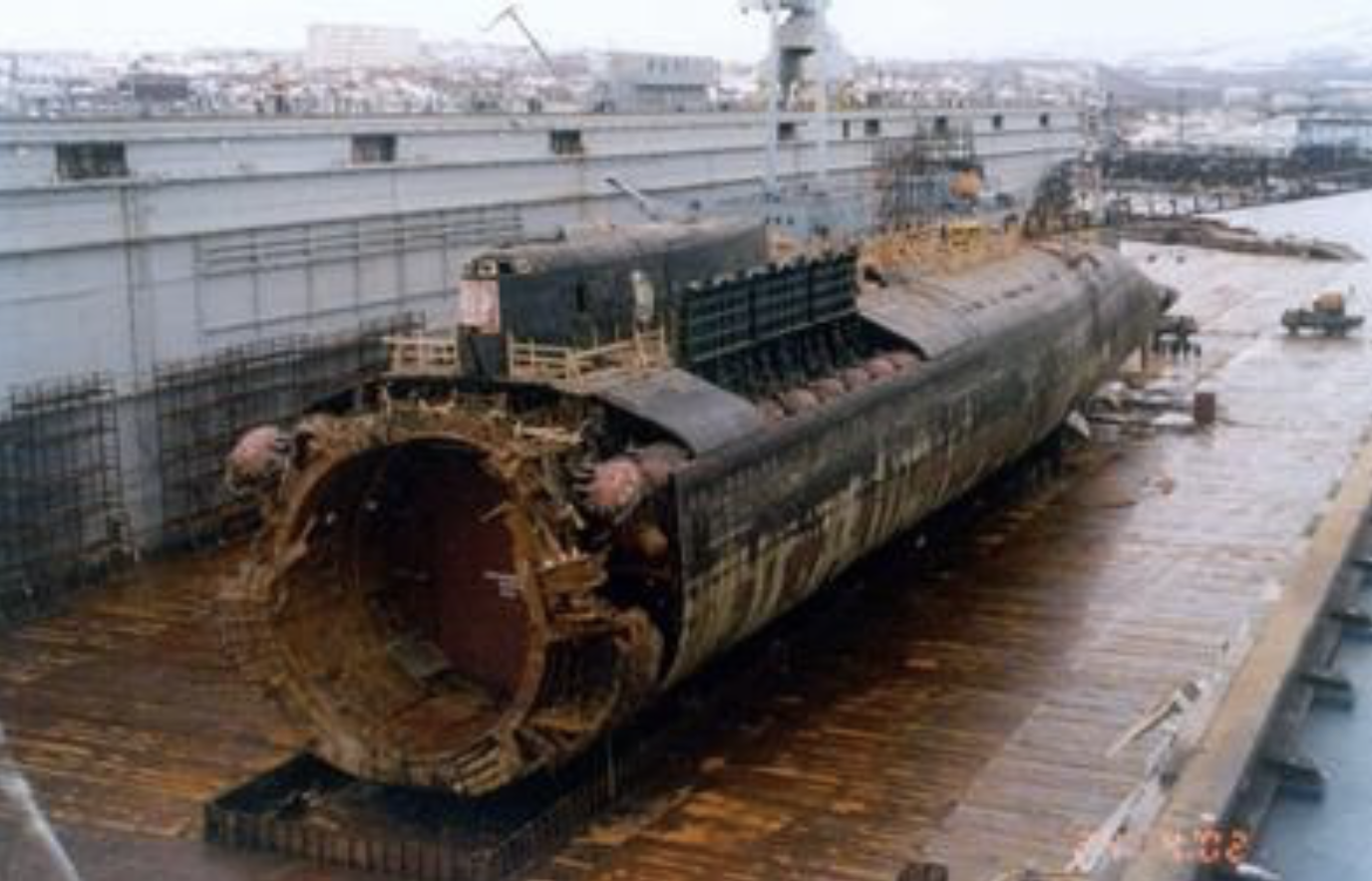
On August 12, 2000, the Kursk, a massive Oscar II-class nuclear submarine, was participating in the "Summer-X" exercise in the Barents Sea.
At 11:28am a faulty weld in a practice torpedo caused high-test peroxide (HTP) to leak, sparking an interior fire and an initial explosion.
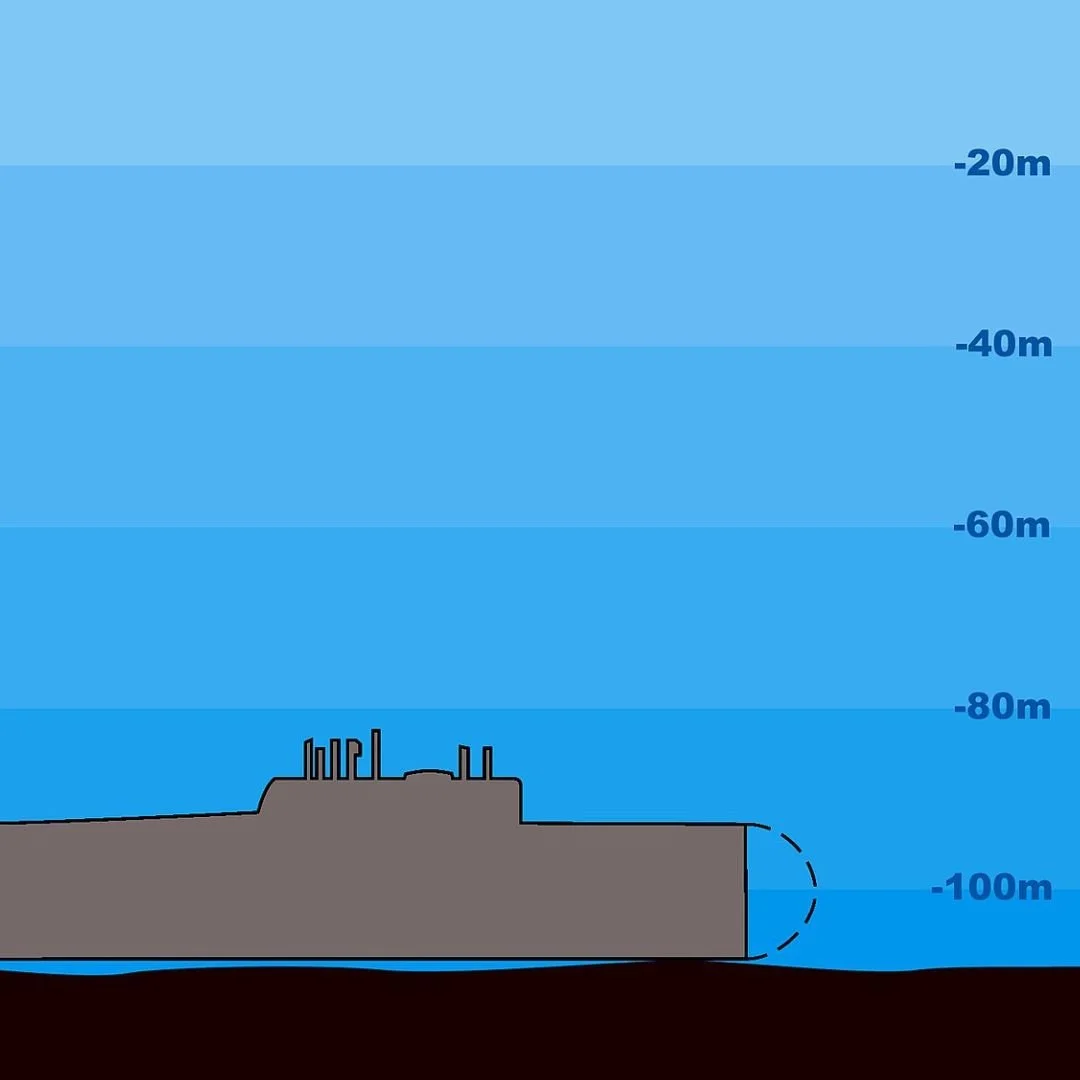
Two minutes later, a much larger explosion equivalent to several tons of TNT ripped through the bow, sending the sub to the seafloor at a depth of 108 metres Most of the 118 crew members died instantly, but some survived.
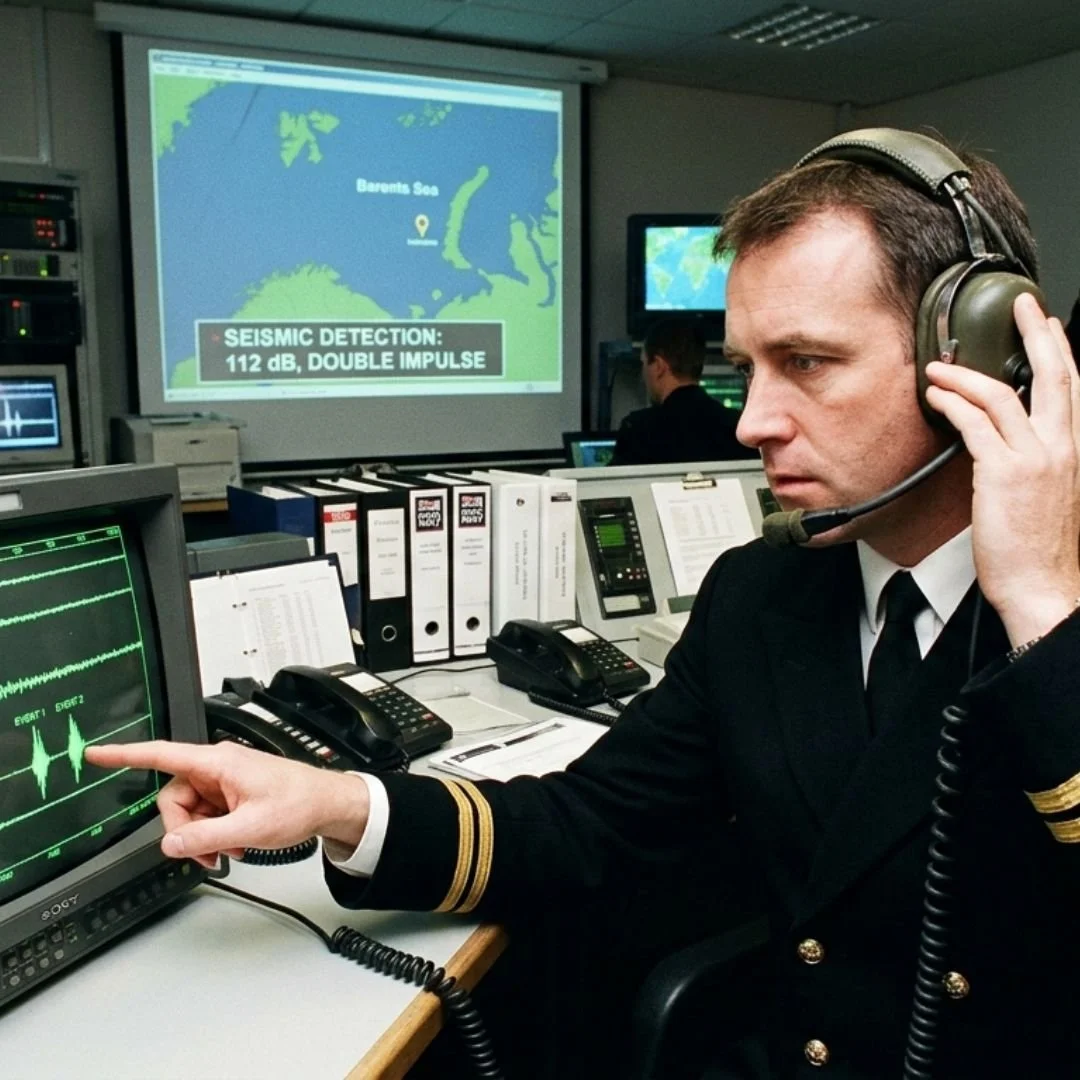
Almost immediately, Western seismic sensors picked up the explosions.
The British government, along with the U.S. and Norway, contacted the Kremlin to offer specialised deep-sea rescue equipment.
For four days, the Russian government refused all foreign aid.
Admiral Vyacheslav Popov insisted the Russian Navy’s own rescue bells could handle the job, but in reality, they were poorly maintained and failed repeatedly to "mate" with the Kursk’s escape hatch due to strong currents and damage to the sub's docking ring.
By Wednesday, August 16, the Russian government finally buckled under international pressure and formally accepted British and Norwegian help.
The centrepiece of the British effort was the LR5, a sophisticated manned rescue submersible.
The Royal Navy flew the LR5 to Norway in a massive Russian Antonov cargo plane and loaded it onto the mothership Normand Pioneer.
Unlike the Russian equipment, the LR5 featured a flexible "mating skirt" designed to seal against a submarine hatch even if the vessel was listing at a significant angle.
The British and Norwegian teams arrived at the site on Saturday, August 19.
However, they were kept on standby for hours while Russian officials debated security concerns, fearing Westerners would see classified technology.
As the clock ticked down, the Russian naval command engaged in a systematic campaign of misinformation to shield the government from criticism.
For days, officials told the families, and the world, that they had established "radio contact" with the crew and were successfully pumping air and electricity into the sub.
In reality, the Kursk was a silent, flooded tomb from the very first hour.
When families heard tapping sounds were being detected, the Navy claimed these were SOS signals from the sailors; later, experts suggested these sounds were likely just mechanical or internal collapses within the hull.
This false hope kept the families from demanding international intervention until the "window of survival" had slammed shut.
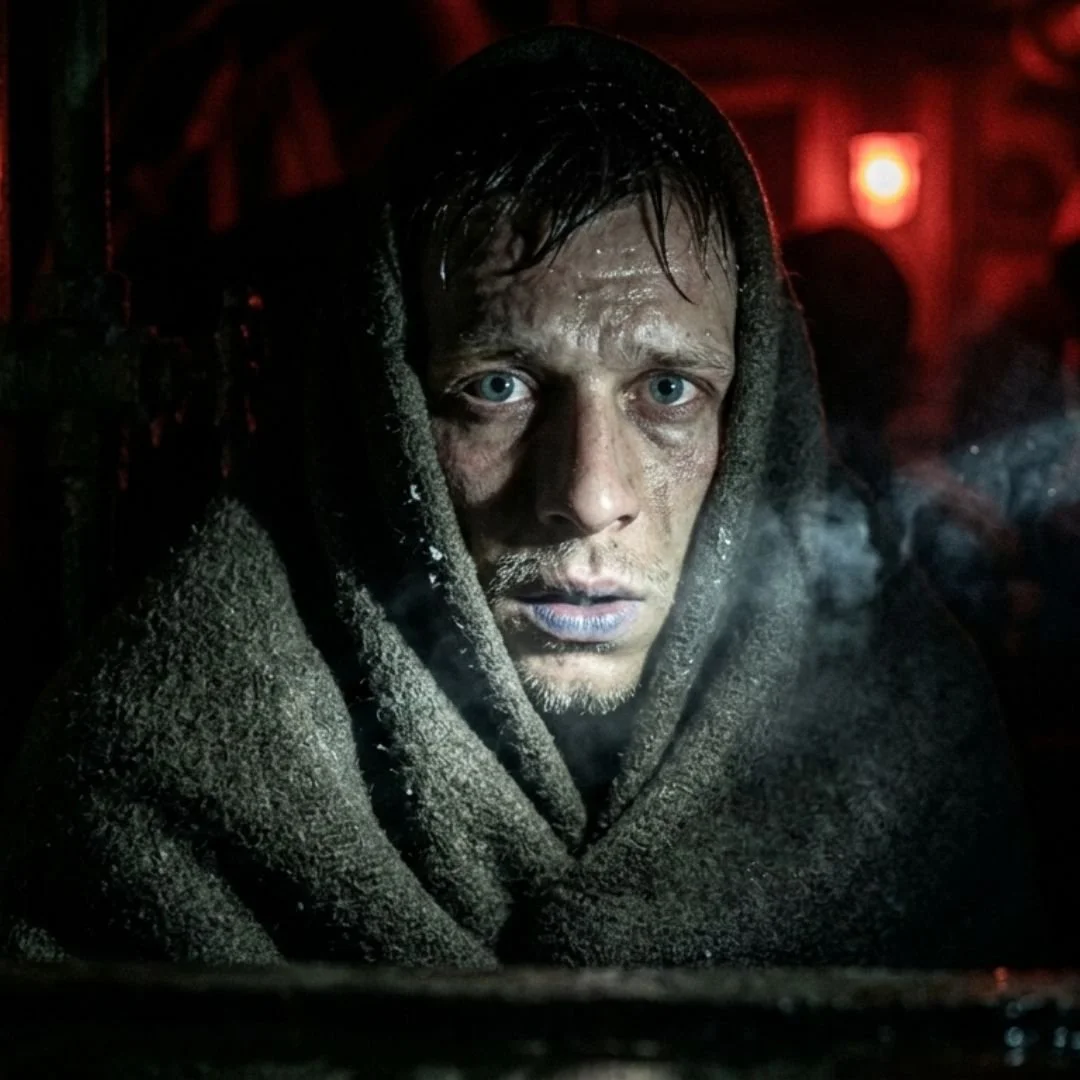
During this time, for the 23 men who survived the initial blast, the ninth compartment became a claustrophobic, freezing sanctuary.
Without power, the temperature quickly plummeted to near-freezing levels as the Barents Sea absorbed what little heat remained in the hull.
The Barents Sea is a place of brutal, bone-chilling hostility, with water temperatures at the Kursk's depth hovering between 2°C and 4°C (35°F to 39°F).
At these temperatures, the sea acts like a thermal vacuum, stripping heat from the human body twenty-five times faster than air of the same temperature.
The sailors were forced to huddle together in total darkness, save for the dim glow of emergency chemical lights. As the water level slowly rose, the air became thick with carbon dioxide.
They used superoxide chemical canisters to scrub the air and create oxygen, but these very canisters likely became their undoing.
It is believed that one sailor accidentally dropped a canister into the oily water, triggering a flash fire that consumed the remaining oxygen and filled the tiny space with lethal carbon monoxide.
The most gut-wrenching evidence of the sailors' final hours was the note found in the pocket of 27 year-old Lieutenant Captain Dmitry Kolesnikov.
Written in the dark with a trembling hand, the letter was composed in two parts. The first was a professional log of the survivors; the second was a deeply personal goodbye to his wife, Olga.
"It's 13:15. All personnel from sections six, seven, and eight have moved to the ninth. There are 23 of us here. We have made the decision to stay because none of us can get out. I am writing this blindly."
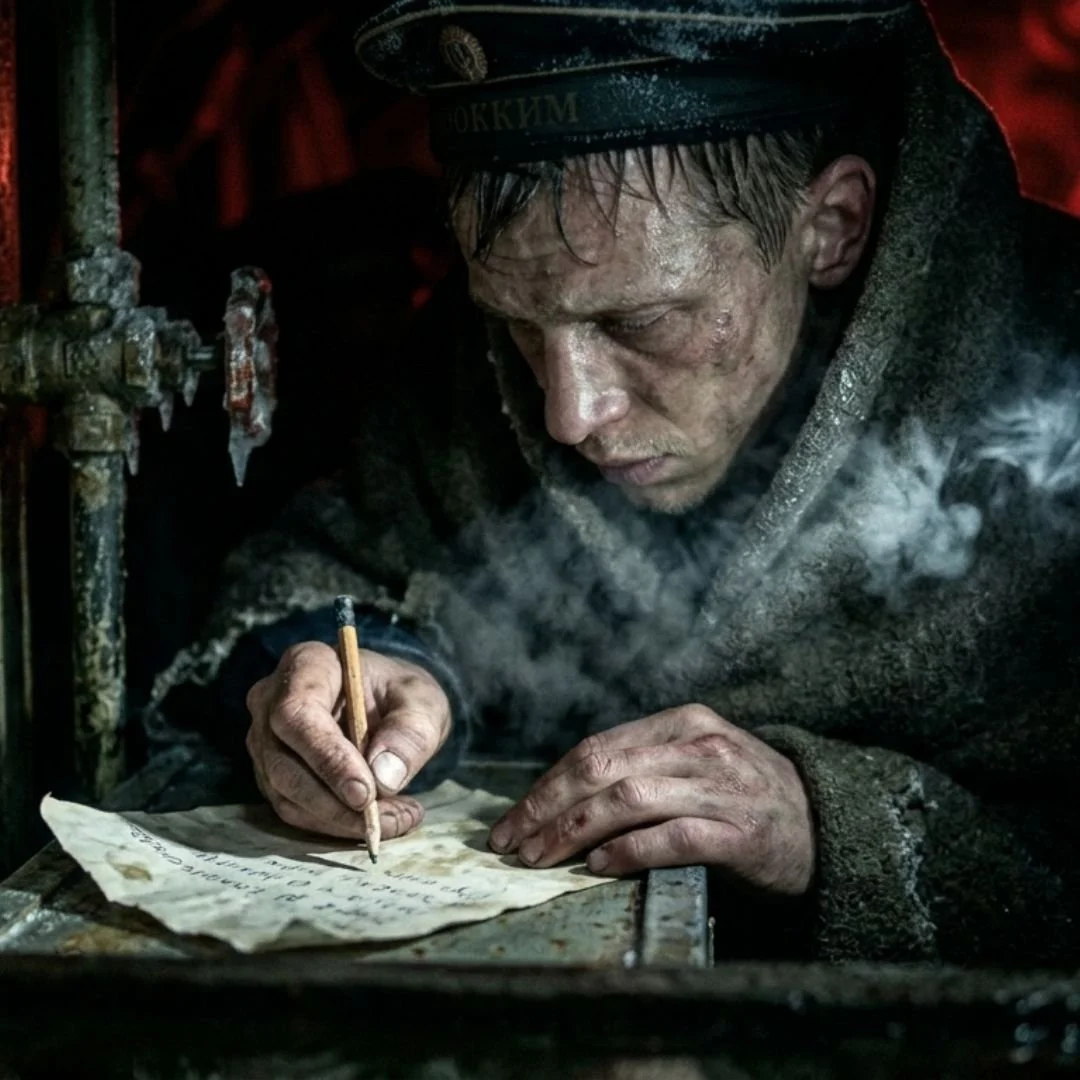
On the reverse side of the paper, his tone shifted to the private heartbreak of a man who knew he would never see the surface again:
"Olya, I love you. Do not suffer too much. My regards to Galina Petrovna and Sasha. Items: ... My list of things is in the locker.
“It is dark here to write, but I’ll try by feel. It seems there are no chances, 10–20 percent. Let’s hope that at least someone will read this.
“Here’s the list of personnel from the other sections who are now in the ninth and will attempt to get out. Regards to everyone, no need to despair. Kolesnikov."
The letter proved that the Russian Navy’s claim that everyone died instantly was a lie, confirming that for several hours, 23 men sat in the dark, waiting for a rescue mission that was being blocked by their own government.
Eventually, Norwegian divers were the first to reach the aft escape hatch. When they cracked the hatch on August 21, they found the entire submarine flooded. There were no survivors..
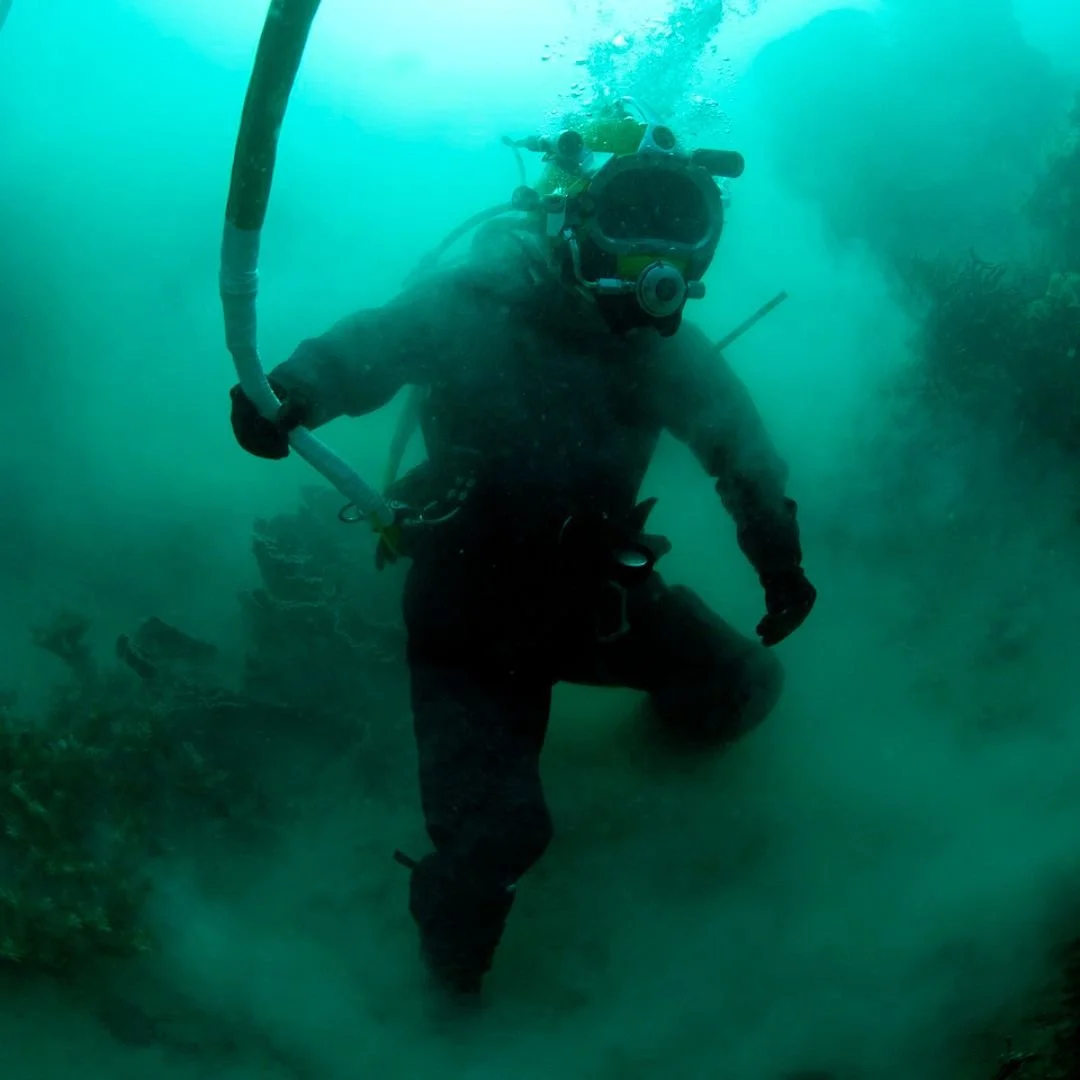
British analysis suggests these men lived for roughly six to eight hours.
Because of the four-day delay in accepting British help, the sailors had already succumbed to carbon monoxide poisoning long before the LR5 arrived.
This disaster became a turning point for the Russian Navy, with the British contribution remembered as a missed window of opportunity where national pride was prioritised over human life.
Putin’s involvement
Vladimir Putin’s involvement in the Kursk disaster is often described by historians as his "first big lie."
While 23 men were still breathing in the dark, Putin remained at his holiday villa in Sochi for five days, refusing to return to Moscow or address the nation.
When he finally appeared on CNN with Larry King and was asked what happened to the pride of his fleet, he famously gave a two-word answer with a slight, cold smirk: "It sank."
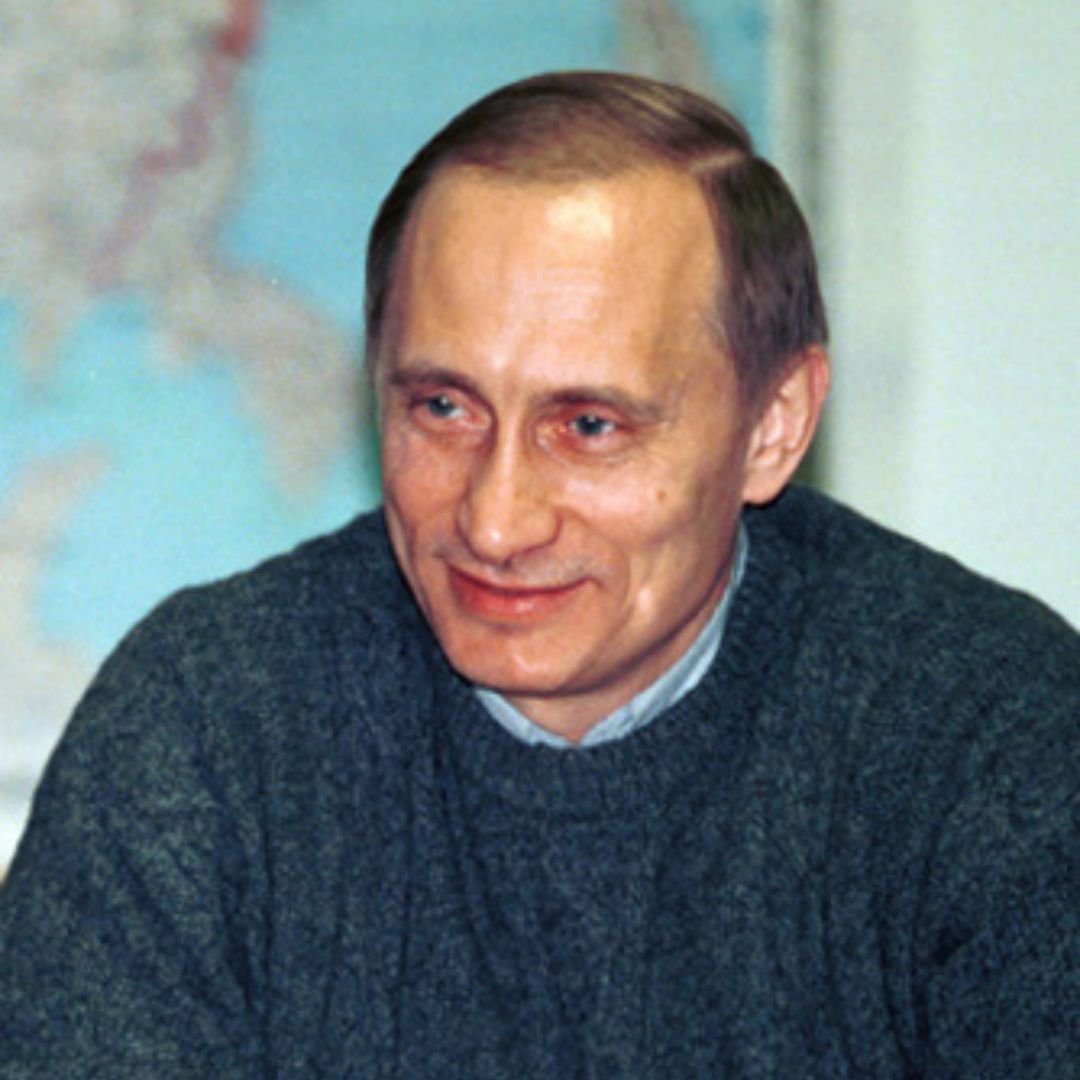
This moment became the definitive symbol of his presidency, a shift away from the chaotic transparency of the Yeltsin years toward a new era of state-controlled narrative.
It was later revealed by lawyer Boris Kuznetsov that after meeting the grieving, screaming widows in Vidyayevo, Putin was privately livid, reportedly calling the wives "ten-dollar whores" hired by his political enemies to discredit him.
The Kursk was the last time the Russian people saw their leader truly vulnerable and criticised on national television.
Putin was humiliated by the coverage on networks like NTV and Channel One, which showed him vacationing while the sailors died.
He didn't just learn from this "PR disaster", he ensured it could never happen again.
Within months of the Kursk sinking, Putin moved to seize control of the independent media, forcing oligarchs like Boris Berezovsky and Vladimir Gusinsky out of the country and turning state TV into a loyal mouthpiece for the Kremlin.
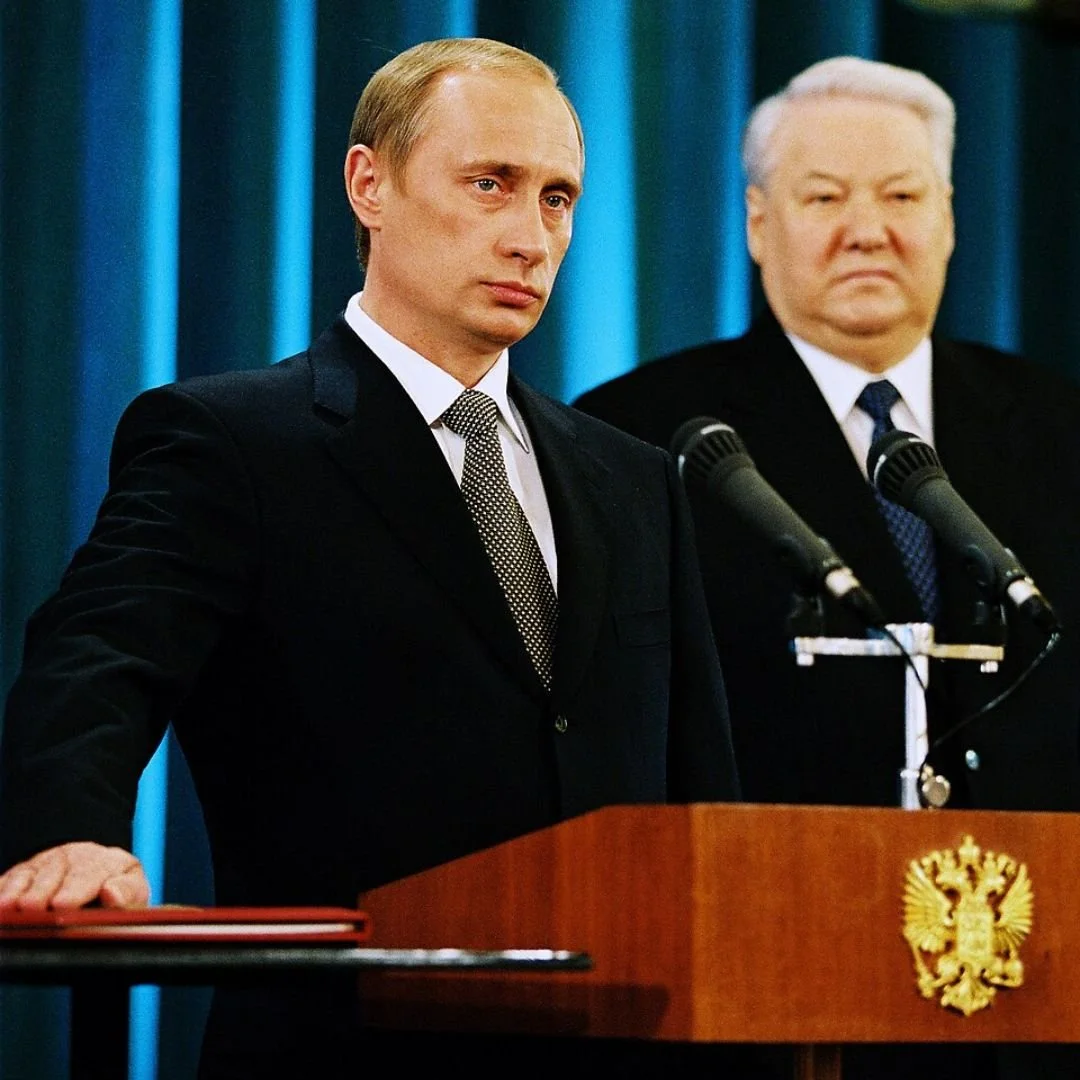
The tragedy of the Kursk gave Putin the "national security" excuse he needed to dismantle Russia’s fledgling free press, ensuring that any future failures would be shrouded in the same secrecy that doomed the 118 men on board.
If you enjoyed this blog post, please follow Exploring GB on Facebook for more!
Thank you for visiting us and see you next time.