Well Preserved Mosaic Discovered In Bangor
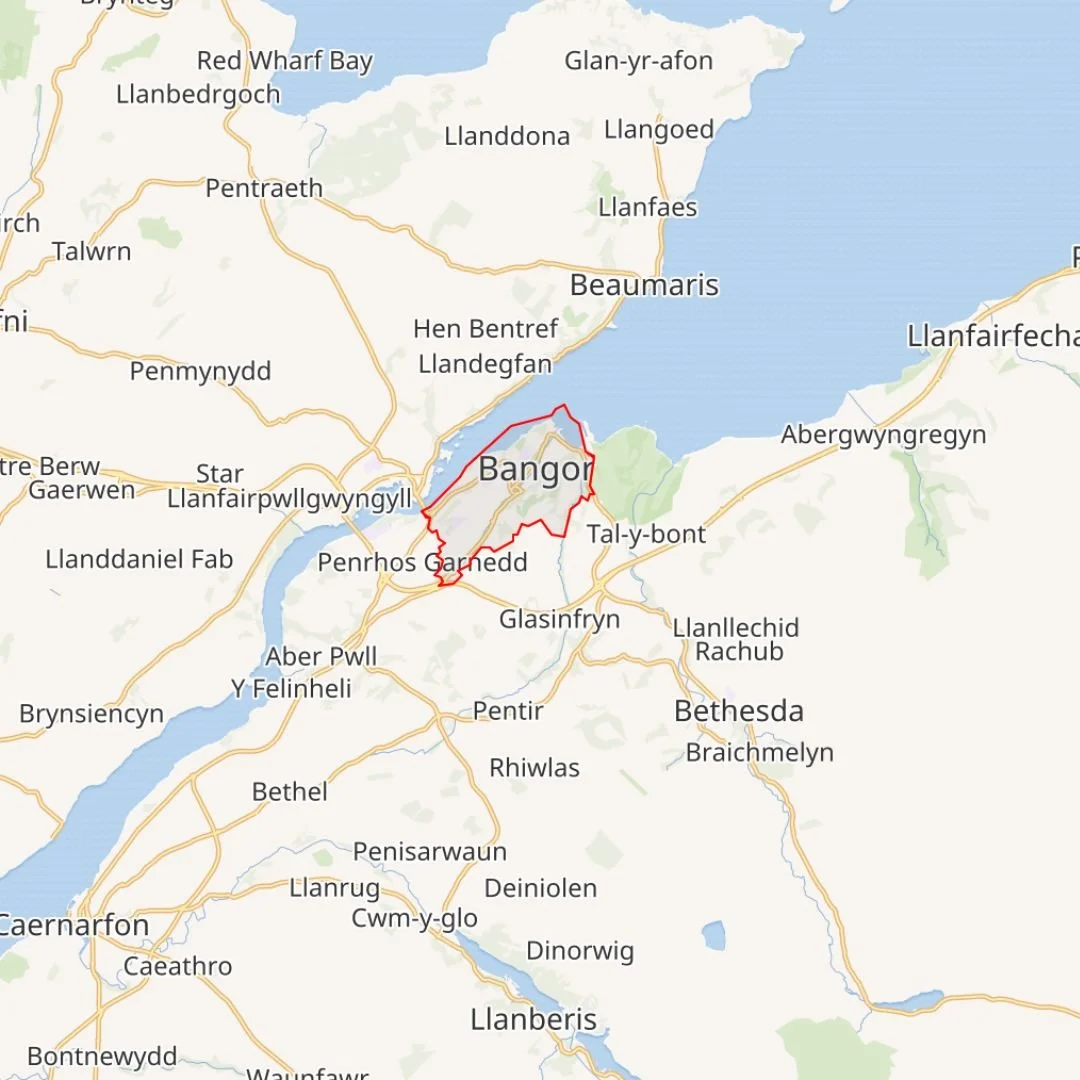
A beautifully well preserved mosaic, thought to date from the Victoria era, has been unearthed in the City of Bangor, Northern Ireland, right in the heart of the massive Queen's Parade regeneration site.
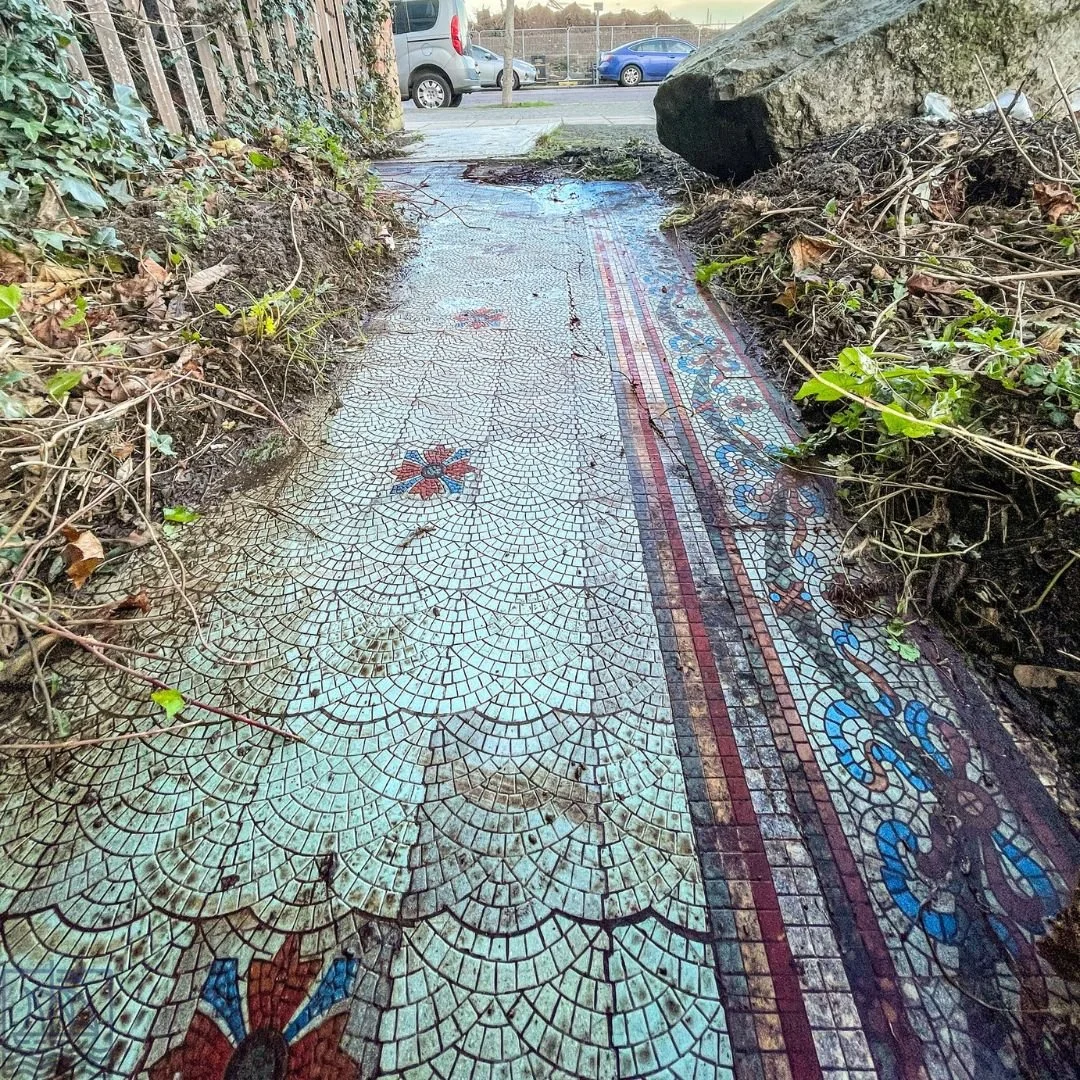
Photo: Bangor by the Sea (Facebook)
Incredibly, it’s in tremendous condition despite being exposed to the elements.
The discovery has sparked immediate interest and calls for conservation from the local community.
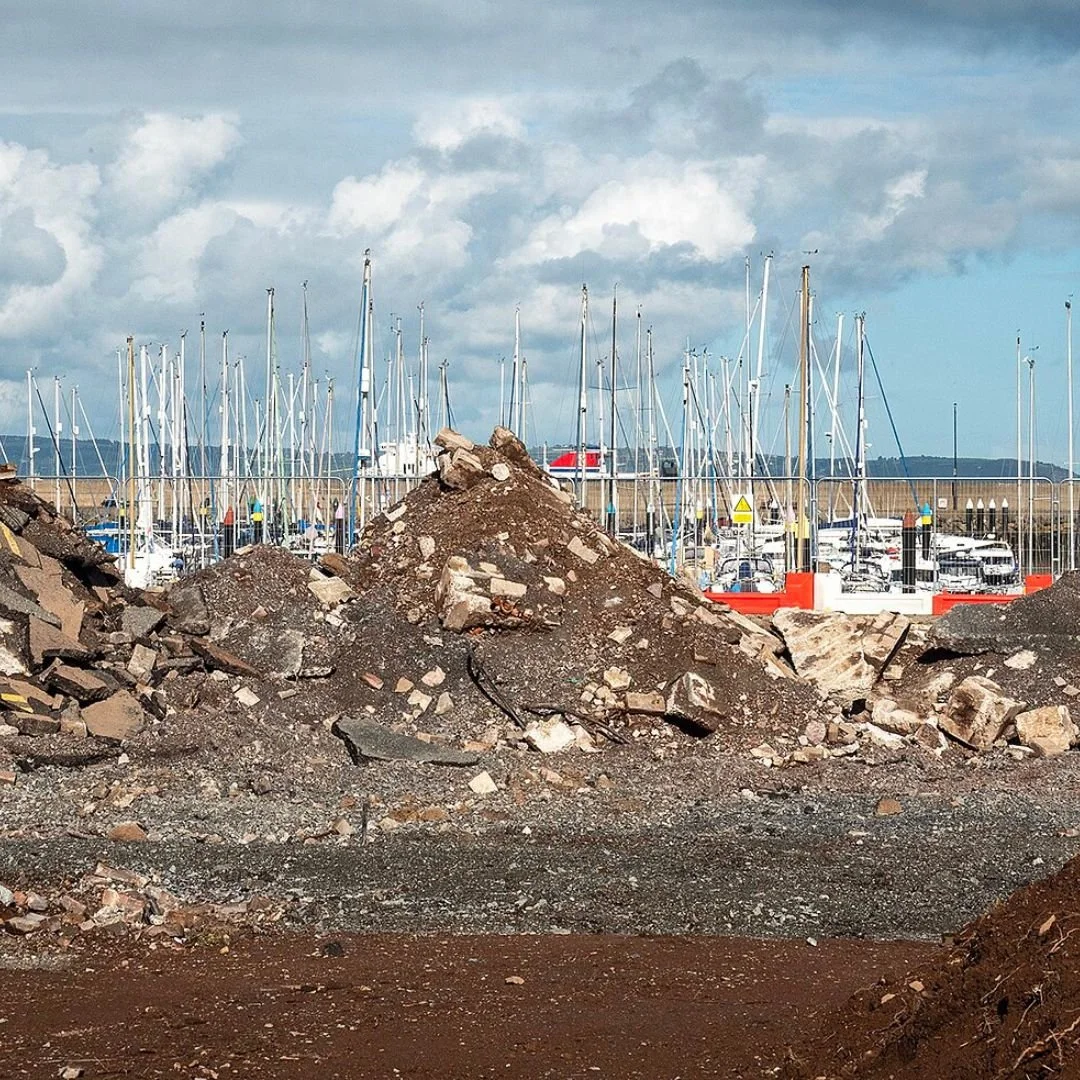
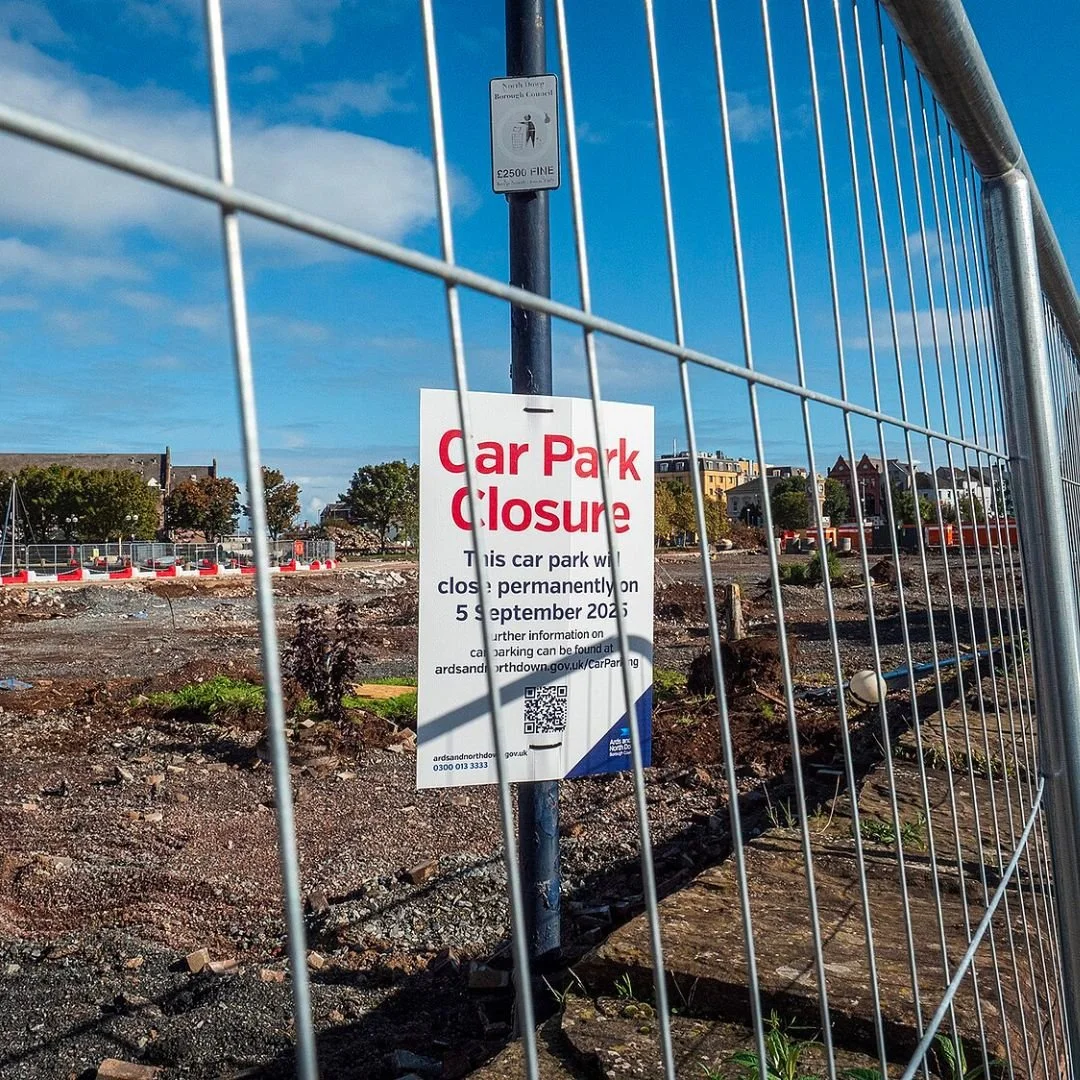
The mosaic was revealed during the early stages of site clearance for the £70 million Queen's Parade development, a long awaited scheme to transform the waterfront.
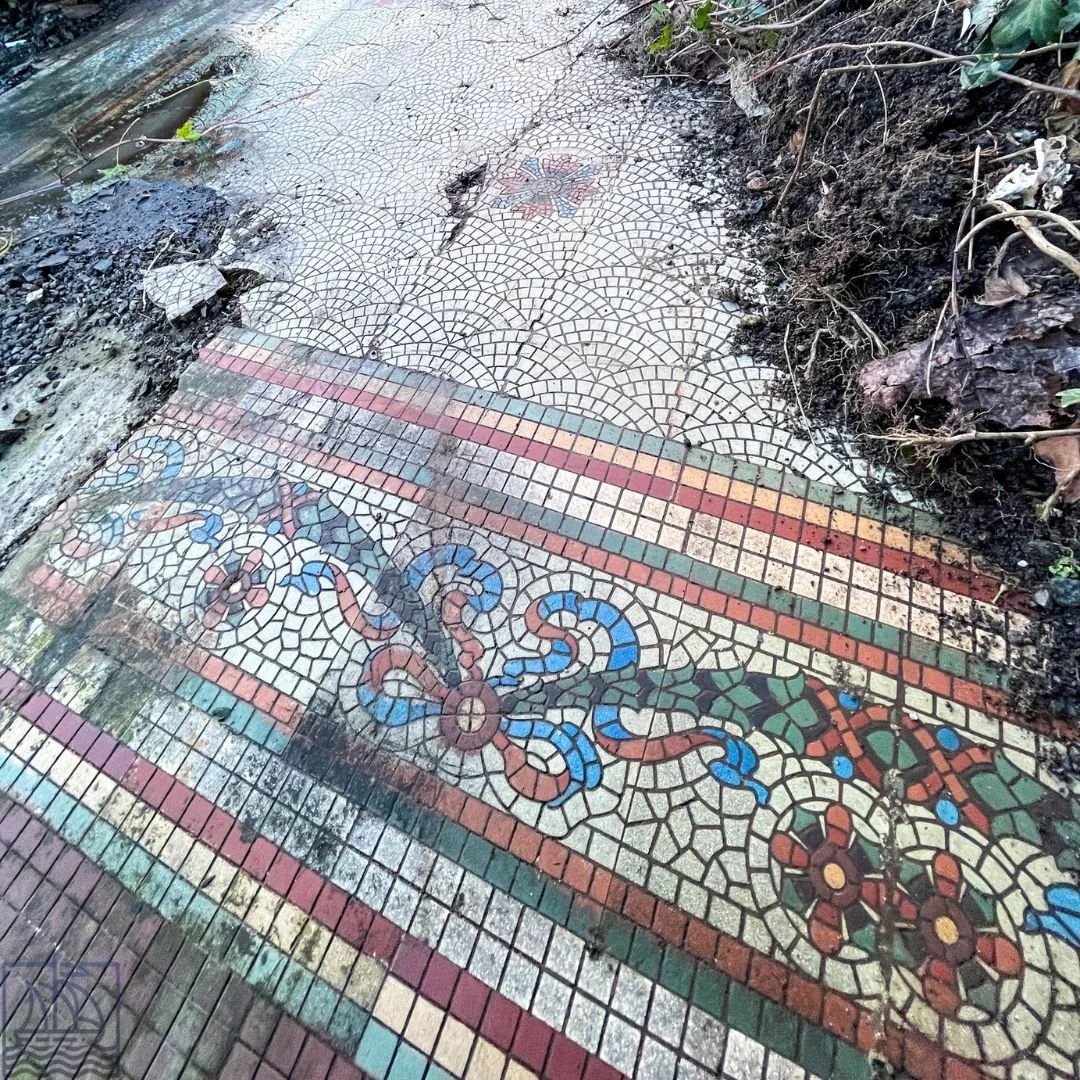
Photo: Bangor by the Sea (Facebook)
The find, initially just a few colourful tiles beneath the soil and ivy, was investigated further by local historians and advocates.
The initial clean back revealed an intricate, sweeping design of geometric tiles and floral motifs extending far beyond what was expected.
This was no simple doorstep; evidence suggests it is part of a much larger shop or hallway floor, possibly belonging to the former premises of the Campbell family butchers that once occupied this section of the seafront.
Based on the style and the historical context of the Queen's Parade area, the mosaic is confidently dated to the Late Victorian or early Edwardian era (approximately 1885–1910).
This period marked a boom in construction along the Bangor coast, with the popular geometric and patterned tilingbeing a standard feature in high street shops and residential hallways across the UK.
Victorian mosaics were highly popular and widely used in Great Britain from the mid to late 1800s, driven by a revival of traditional crafts influenced by ancient styles.
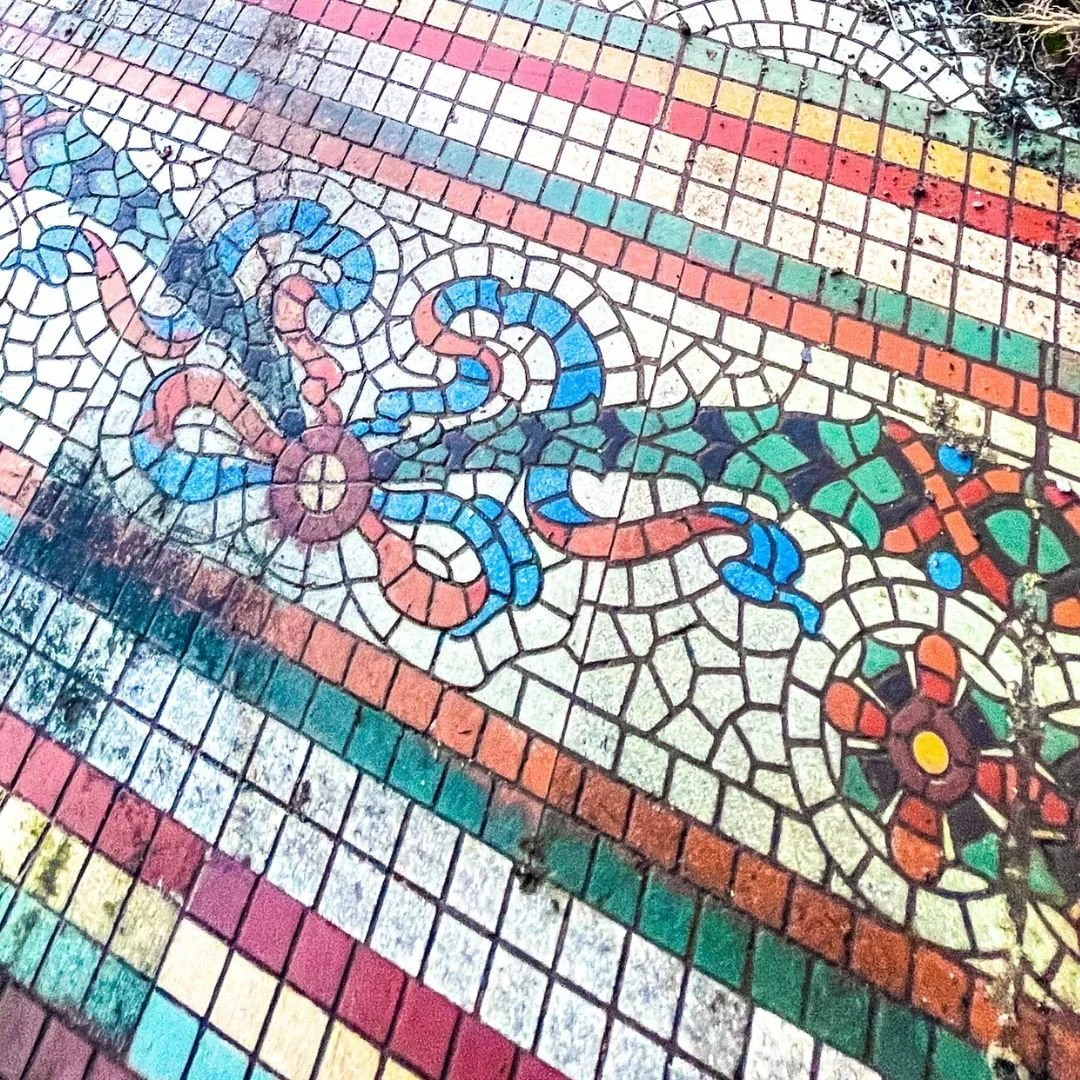
Photo: Bangor by the Sea (Facebook)
Due to mass production techniques, they became accessible beyond the wealthy, gracing public buildings (like the V&A and Natural History Museum), churches, commercial spaces, and middle class domestic hallways and porches for their durability and aesthetic appeal.
The most common types included geometric mosaic flooring for high traffic areas and more elaborate Artistic Mosaics (like Opus Sectile) and Encaustic Tiles for grander decorative schemes.
The local Facebook page, "Bangor by the Sea," has been pivotal in highlighting the find and championing its importance.
Their reporting has galvanised public opinion, stressing that the discovery strengthens the case for preserving the mosaic as a vital element of Bangor’s built heritage before construction progresses further.
As of now, the situation is classified as investigations ongoing.
While the location and the historical significance of the floor are confirmed, the next steps are subject to assessment by the developer (Bangor Marine Ltd) and heritage bodies.
This process involves thoroughly cleaning, documenting, and determining the full extent of the buried floor before a final decision is made on its conservation, whether to lift it, re-site it, or integrate it into the final public realm design.
The mosaic sits within the development footprint of the Queen's Parade scheme, a major public private partnership aimed at transforming the long derelict coastal zone.
The project, which recently saw contractors mobilise on site in 2025, is set to deliver:
- Marine Gardens Public Realm: A new public space, play park, and event area.
- A hotel, new Office Space (including the confirmed new Council Headquarters), and Residential Units.
- New Retail, Cafes, and Restaurants.
The regeneration aims to create a "sense of place" and reconnect the city centre with its shoreline, making the unexpected uncovering of this historic floor a powerful reminder that even as Bangor looks to its future, the echoes of its past remain just beneath the surface.
Reacting to the photos online, someone said: “Was that somebody’s doorway and hall? Wow it’s in tremendous condition for being exposed to the elements.
”Owners initials at the entryway. Perhaps it was a surgery of some sort when new rather than a private home. This is the first time I’m seeing this.
”It would be likely that house next door to the bulldozed one would have something similar. This is very interesting. I’m keen to find out more.”
Another person added: “The old Bangor FABB group has raised with local politicians the importance of the craftsmanship and that should be saved.
”This happened during consultations for the site a few year's ago. Never expected that was still more under the soil.
”Hope the builders close the are off and plan's are made to protect the are.”
We will provide updates about the developing discovery as and when we have them.
We recommend following Bangor by the Sea on Facebook for the latest updates.
If you enjoyed this article please follow Exploring GB on Facebook for more!
Please check out our latest articles below.
Thank you for visiting Exploring GB.